Germany’s Bayer AG has agreed to settle a lawsuit brought by a group of Texas rice growers over claims the company’s experimental biotech rice contaminated the U. S. supply four years ago and decimated exports.
Bayer said it had agreed to pay $290,000 to settle the case, involving eight plaintiffs from three farming operations.
The company still faces thousands of claims, and a lawyer for some rice farmers said the settlement marked a key victory as it was the first time Bayer had agreed out of court to pay rice farmers damages arising from the contamination.
Read Also
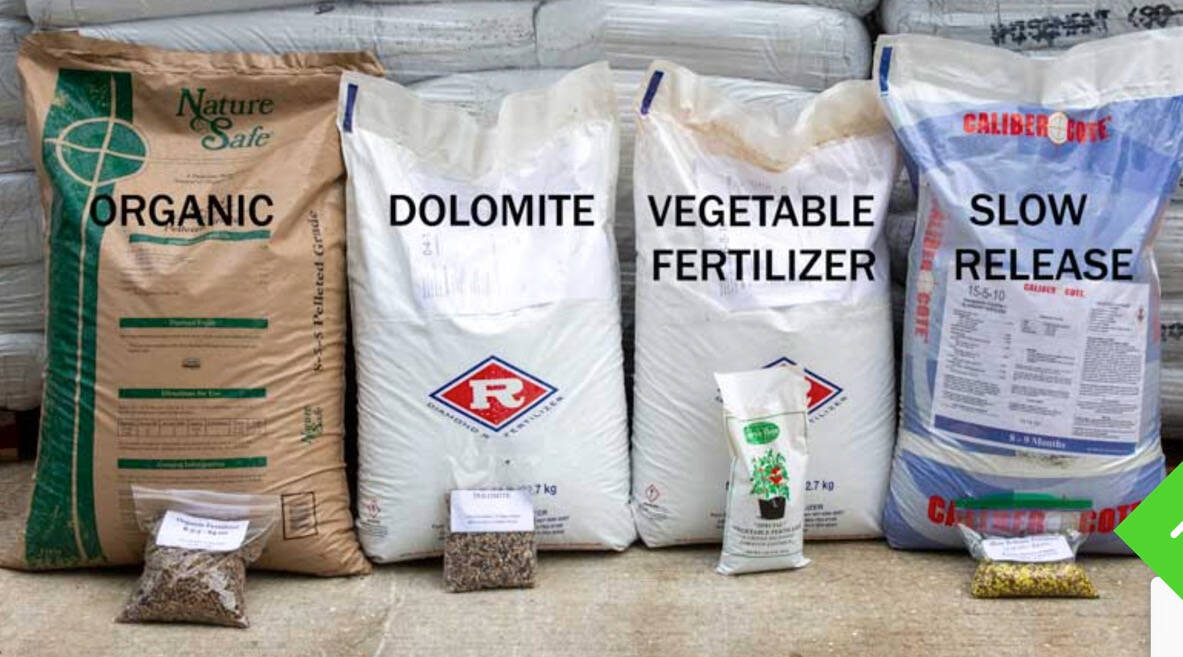
Fertilizer industry optimistic as Ottawa commits to cutting red tape
Federal ministers and bureaucrats are now willing to modify or eliminate unhelpful regulations, including a rule that required complex bilingual labels on fertilizer delivered to Canadian farms. The CFIA extended the bulk fertilizer labelling deadline to July 2027.
“After all these years, Bayer appears to be starting to take responsibility,” plaintiffs’ attorney Adam Levitt said in a statement.
Bayer said it continued to participate in mediation talks with other plaintiffs in ongoing litigation.
“Bayer CropScience has always been willing to settle such biotech rice litigation cases on reasonable terms and is pleased to be able to do so in this instance,” said Bill Buckner, president and CEO of Bayer unit Bayer CropScience LP.
In February, a jury ordered Bayer to pay $1.5 million in damages to three farmers for losses due to contamination by Bayer’s genetically modified rice. The company was ordered to pay $2 million in a related case last December.
The chemical and drug maker has been struggling to defend itself against claims from farmers across the United States after genetically altered rice developed by a subsidiary for research showed up in the food supply chain in August 2006.
The LibertyLink rice var iety had not been approved for commercial cultivation and its presence in the U. S. crop led Japan and the European Union to restrict U. S. rice from crossing their borders, triggered a plunge in rice prices.
More than 7,000 long grain rice producers in Missouri , Arkansas, Louisiana, Mississippi and Texas claimed they suffered damage.