


MarketsFarm — Solid demand continues to keep feed barley bids in Western Canada well supported, as end-users work to secure supplies in anticipation of tightening stocks going forward. “Competition for barley is coming from every which direction: grain companies exporting barley, feedlots trying to cover barley, and grain companies trying to cover feedlots,” said Jim
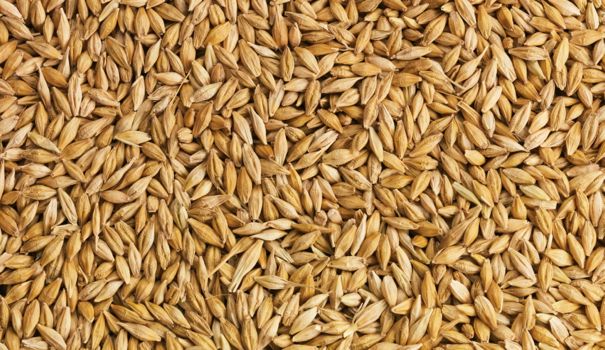
Feed weekly outlook: Demand keeps Canadian barley well supported

CBOT weekly outlook: Soy, corn could retest highs
Wheat now 'doing its own thing'
MarketsFarm — Soybean and corn futures at the Chicago Board of Trade backed away from nearby highs over the past week, but could be poised to retest those levels as the underlying fundamentals remain supportive. “I think we’ll need another headline of sorts, whether it be a weather or sales numbers (headline), to push corn

ICE weekly outlook: ‘Demand-pull’ environment supports canola
MarketsFarm — ICE Futures canola contracts moved higher during the week ended Wednesday, moving back toward the contract highs hit in September. Canola is pushing upside chart limits and modest corrections are likely going forward, but the fundamentals remain supportive and “the trend is up until further notice,” said analyst Mike Jubinville of MarketsFarm Pro.

Funds still holding large net long position in canola
MarketsFarm — Funds’ net long position in canola remained large during the week ended Tuesday, with only small adjustments in the latest commitment of traders (CoT) report from the U.S. Commodity Futures Trading Commission (CFTC). Managed money fund traders, as of Tuesday, were holding a net long position in ICE Futures canola of 56,913 contracts

Feed weekly outlook: Bids hold firm in West
MarketsFarm — Feed grain bids in Western Canada remain firm at the beginning of October, with a lack of significant farmer selling keeping the market underpinned as harvest wraps up across the Prairies. The barley harvest is mostly complete across the Prairies, but total yields and production remain to be seen. “The market is still

Pulse weekly outlook: Peas, lentils see some strength
Lentil trade watching India
MarketsFarm — Canadian pea and lentil markets have shown some post-harvest strength in recent weeks, with good offshore demand providing support. “On the yellow pea side, it’s China, and on lentils, it’s basically India,” Marcos Mosnaim, of Globeways Canada, said of the strength in both markets. Yellow peas are currently trading as high as $7.50

Prairie cash wheat: Bids mixed, reacting to futures and loonie
MarketsFarm — Spring wheat bids in Western Canada were mixed during the week ended Thursday, as losses in U.S. futures were countered by support from a weakening Canadian dollar. The currency lost roughly a full cent during the week. Average Canada Western Red Spring (13.5 per cent protein) wheat prices were steady to down $2

AAFC lowers wheat carryout estimate, raises canola
MarketsFarm — Updated supply and demand estimates from Agriculture and Agri-Food Canada call for tighter wheat carryout for the 2020-21 crop year than previous forecast — and more canola. Tursday’s report provides the first adjusted balance sheet estimates from the government agency that account for the latest production numbers from Statistics Canada released earlier in

CBOT weekly outlook: Harvest pressure to weigh on soy, corn
MarketsFarm — Seasonal harvest pressure may weigh on soybean and corn futures at the Chicago Board of Trade over the next month, but there is also still good support on the other side, according to an analyst. “The biggest trouble now for the market is the harvest pressure coming in,” said Tom Lilja of Progressive

Oats values hold steady at harvest
MarketsFarm — The oats market in Western Canada is holding relatively steady despite seasonal harvest pressure, although yields failed to live up to earlier expectations. “Steady at harvest time is good,” said Scott Shiels, grain procurement merchant with Grain Millers in Yorkton. Prices often dip at harvest time due to increased deliveries, he noted, but
Cyber-Savvy Farmer
