


Naugatuck Weed-Bane advertised in our May 6, 1948 issue was said to be a 2,4-D formulation developed specifically for Canada’s colder climate, and harmless to grass, soil, animals and humans. We reported that flooding was causing serious damage along the Red and Assiniboine rivers, and that many homes had been flooded on low river land

Weed-Bane herbicide, ‘harmless to humans’
Our History: May 1948

Glacier Media strengthens weather, ag technology team
Glacier Media, a leading Canadian business information news, insights and data supplier, has appointed Jonathan Neutens as president of its Weather Innovations Consulting (WIN) group. Neutens, who has more than 20 years experience in North America’s agribusiness sector, will lead the team at WIN to scale its business in the ag technology space, building on the existing

Farm groups weigh options after hog truck verdict
Officials with Ontario farm groups plan to “discuss next steps” following the dismissal of charges against an animal welfare activist who gave drinks to hogs aboard a livestock trailer. Justice David Harris of the Ontario Court of Justice on Thursday dismissed a charge of criminal mischief against Anita Krajnc of the self-described “grassroots, animal rights,
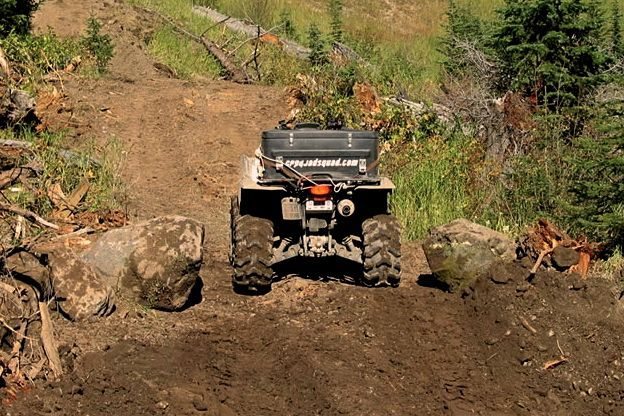
Farm, ranch work still exempt from Alberta helmet rule
Farm and/or ranch work remain exempt in the final version of Alberta’s new law requiring off-highway vehicle users to wear helmets while riding on public land. Provincial Bill 36, which passed in December, takes effect May 15, requiring an approved helmet for anyone “driving, operating, riding in or on, or being towed by” an off-highway

Weather, ‘economic challenges’ drag on A+W sales
Canadian burger chain A+W cites “poor winter weather” in most regions and “economic challenges” in its Alberta and Saskatchewan markets for flat sales in its first quarter. The Vancouver-based burger and root beer chain on Tuesday booked total sales of $245.16 million for the quarter ending March 26, up 0.6 per cent from $243.8 million

Manitoba crop groups officially on merger track
Five Manitoba-based crop producer associations, nearly all of which already work out of the same building, have a memorandum of understanding to work toward forming a single merged grower group. The Manitoba Corn Growers Association (MCGA), Manitoba Pulse and Soybean Growers Association (MPSG), National Sunflower Association of Canada (NSAC) and the Manitoba Wheat and Barley

Pickseed to buy forage seed firm Moore Seeds
The Canadian arm of one of the world’s top forage seed players plans to expand its space in the Peace region with a deal for forage and turfgrass seed dealer Moore Seeds. DLF Pickseed Canada announced April 21 it has a letter of intent in place to buy Moore — based at Debolt, Alta., about
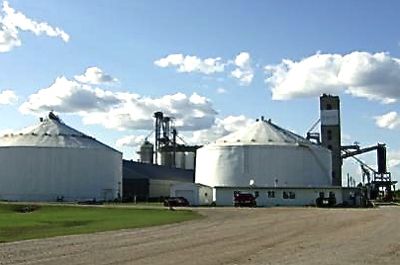
Viterra buys North Dakota elevator
Prairie grain handler Viterra is expanding its reach in eastern North Dakota with a deal for Gavilon Grain’s elevator at Grand Forks. Regina-based Viterra said Monday it has closed its acquisition of Omaha-based Gavilon’s Grand Forks site for an undisclosed sum, and plans “immediate capital upgrades” for the elevator. The Grand Forks site, which was

Monsanto halts sale of Precision Planting arm to Deere
Monsanto subsidiary The Climate Corp. has cancelled a deal to sell its Precision Planting business to Deere and Co., citing the months-long court fight against it. The U.S. Department of Justice filed suit in August last year to block the proposed US$190 million deal, alleging the deal would lead to higher prices for high-speed precision

Insect entrees
Insects are going to play a more important role in the human food chain, but that might not mean direct consumption
A professor emeritus at the University of Guelph says insects might be a more sustainable source of nutrition, but just how they’ll be used is up in the air. David Waltner-Toews, an epidemiologist who taught in the U of G’s Ontario Veterinary College, studied the topic for his new book, Eat the Beetles! which will