


Pulse growers whose products are headed to the European Union have one more desiccant option for this year’s harvest. At the end of July, maximum residue levels (MRLs) were published for the Group 14 herbicide saflufenacil on field peas, soybeans, dry beans and sunflowers. Gord Kurbis, Pulse Canada’s director of market access and trade policy

Drydown option cleared for pulse, sunflower growers
Minogue: Feed option may put carinata in Prairie rotations
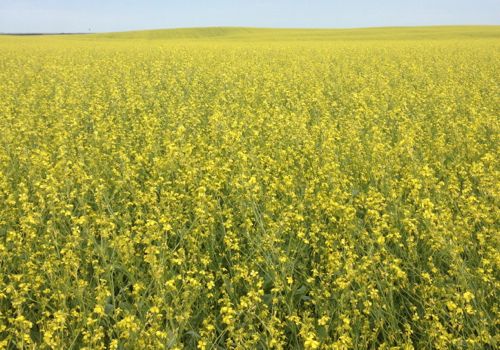
Carinata is poised to become a more economical crop option for Prairie farmers now that the crop’s meal has the federal seal of approval. The Canadian Food Inspection Agency recently approved carinata meal as feed for Canadian beef cattle. Carinata is agronomically similar to mustard and canola — and according to Steve Fabinjanski, CEO of

Minogue: Available acres may make Brazil top soy player
Raleigh, N.C. — Whatever major boosts may soon come in world soybean production are seen coming from countries with the acres to spare, not necessarily from breeders building better beans. That’s how one major player in Brazil’s soybean sector sees the near future, as growers meeting here Thursday discussed the road ahead for the crop
Factors line up for sclerotinia in 2014
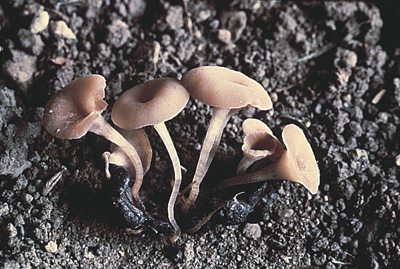
To spray or not to spray? It’s a tougher question when it comes to sclerotinia in canola than for most other crop diseases. Last year, the high levels of sclerotinia many forecasters called for didn’t materialize. This year’s disease levels, and farmers’ decisions about going to the expense of spraying to control it, will mainly

Minogue: In canola seed, smaller size a better value
Canola’s seed kernel size can vary greatly from year to year, ranging from three to 7.5 grams per 1,000 kernels. While some growers believe larger seeds have a better chance of survival and can be seeded at lighter rates, others say there isn’t enough evidence to assume that larger seeds will always have higher survivability.
Fight for votes on Weyburn terminal’s fate lands in court
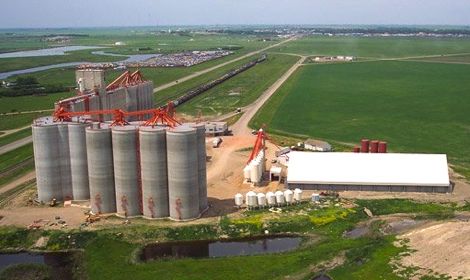
A group of “dissident shareholders,” seeking farmers’votes to head off a sale of southeastern Saskatchewan’s Weyburn Inland Terminal, will continue its campaign after a brief stop in court. With 15 days to go before a meeting at which shareholders will vote on the proposed takeover of WIT by Winnipeg grain firm Parrish and Heimbecker, WIT’s
Sask. growers eye increased pulse, soybean acres
Having spent the week taking the pulse of Saskatchewan’s grain and oilseed growers, the province’s pea, bean and lentil grower organization expects to see more acres in the province shift this spring to pulses — and to soybeans. “We’re expecting pea and lentil acreage to be up this spring,” Carl Potts, executive director for Saskatchewan

Farmers seek to stave off Weyburn Terminal takeover
Eleven southeastern Saskatchewan farmers hope to fend off a planned takeover of a farmer-owned grain terminal by drafting their own ticket for the terminal’s board. More than 200 Weyburn Inland Terminal shareholders gathered Tuesday at McKenna Hall in Weyburn to discuss the proposed takeover of the grain terminal by privately-held grain handler Parrish and Heimbecker.
‘Biggest year’ seen for cash advance applications
With rail congestion, jammed elevators and a record-large crop dragging on farmers’ ability to deliver grain, a federal program to help farmers with near-term cash flow is seeing a particularly busy year. Federal ag lender Farm Credit Canada is already urging farmers who haven’t done so to consider applying to the federal Advance Payments Program

Minogue: Undercurrent of frustration pervades at CropSphere
Just months after a record-setting harvest, delegates nodded as market analyst Larry Webber told Saskatchewan farmers at CropSphere in Saskatoon, “Everything is not rosy in the country.” Frustration is building as many farmers are taking large price discounts to sell their grain into a congested transportation system and other farmers are unable to sell their
Cyber-Savvy Farmer
