
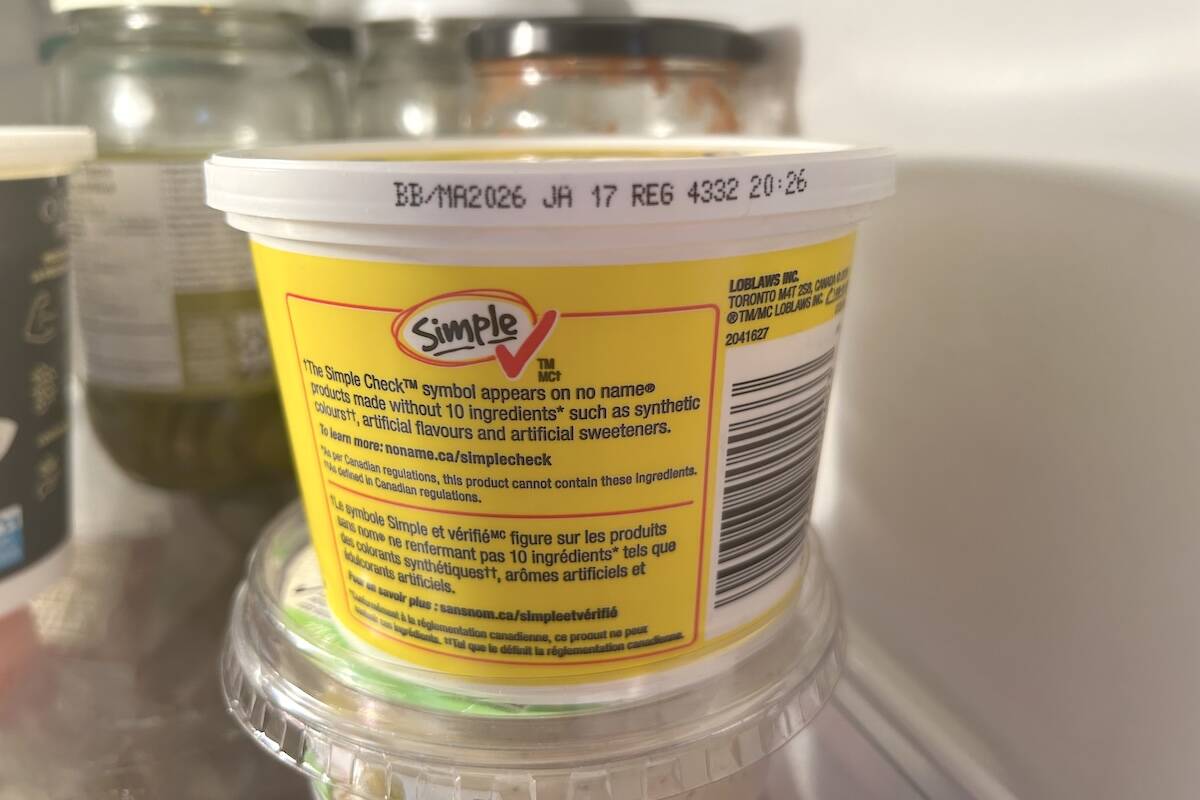
We’ve all stood in front of the fridge holding a container and wondering if we should use it or toss it. The best before date printed on packages often feels like a hard deadline, leading many of us to toss perfectly good food. That confusion adds dearly to the 2.3 million tonnes of edible food wasted by Canadian households every year, as reported by the National Zero Waste Council in 2022.
According to research conducted by Second Harvest, 23 per cent of avoidable food waste in Canada is caused by misunderstandings about best before dates. That is a big opportunity for change. By learning how to use these dates properly, we can reduce waste, manage our grocery budgets, and respect the work that goes into growing and producing our food.
What best before really means
Read Also

Student agronomy challenge coming to Assiniboine College
The Prairies’ first agronomy competition brings together post-secondary ag students for hands-on crop advising challenges at Assiniboine College in Brandon, Man.
In Canada, best before dates are required on foods with a shelf life of less than 90 days to show how long the manufacturer believes the product will keep its ideal flavour, texture and nutritional value. It is a guide to quality, not safety. Food does not suddenly go bad when the date passes.
There’s a difference between an expiration date and a best before date. In Canada, only five foods have true expiry dates:
- infant formula,
- nutritional supplements,
- meal replacements,
- formulated liquid diets, and
- very low-energy diet products.
The nutrient content of these foods must remain exact to meet the nutritional needs of those consuming them, often seniors, infants, or other compromised individuals. For this reason, these foods carry expiration dates.
An often overlooked fact is that best before dates only apply to unopened packages that have been stored as instructed on the package. Once a food is opened, the date on the package becomes irrelevant. From this point on, common sense and your senses are your best guide in determining if food is edible.
Use common sense to judge how well food has been stored and handled. A package of soup mix stored in a camper for a year, experiencing big temperature swings, potential critters, and being jostled around will have a shorter shelf life than the same package tucked in a dark, dry cupboard at home.
A container of salsa with chip crumbs in it and possibly subject to double dipping won’t last long. Milk that is left on the kitchen table during meal times won’t last as long as milk that is poured and promptly returned to the fridge. Our everyday habits make a big difference in how long our food will last.
For many foods, using our senses can help us detect signs that food may not be safe to eat. Look at the colour and texture of the food and smell for any off odours. If there is any mould, discolouration, swelling, or other abnormalities, do not use. Don’t rely on sight, smell, or taste when food has been left out more than two hours, when there’s been a power outage or fridge failure, or when dealing with high-risk foods like sprouts, deli meats, raw fish, or anything for infants or vulnerable people.
Using our senses and practicing proper food handling and food storage are skills that are far more useful and practical than simply looking at a best before date stamp.
How to use best before dates wisely
Think of best before dates as tools to help you shop, store, and freeze food with less waste.
- Use best before dates when shopping
If you plan to use an item right away, look for products close to or on their best before date. They are often offered at a reduced price and are a great way to save money.
If you are stocking up for later, pick items with longer dates. This gives you more time to use them before quality begins to fade. - Use best before dates to organize and store food
When you bring groceries home, rotate your pantry and fridge so that items with the nearest dates move to the front. This makes it easy to see what to use first. A little rotation goes a long way in preventing forgotten jars and cartons from being discovered too late. - Use best before dates to decide when to freeze food
If you see that you will not be using an unopened item soon, freeze it before the date passes while quality is still at its peak.
Living on the Prairies, surrounded by farms that put in enormous effort and care to grow the crops, produce, dairy, eggs, poultry, and meats that feed our families, we know that wasting food affects more than our wallets. When we throw food out, we also discard the labour, water, soil nutrients, and transport energy that supported it. Using best before dates the right way helps us manage our food bills and shows respect for the work that goes into producing that food.
Here are three recipes that work well at using up food that’s at or just past its prime but still looks and smells normal.
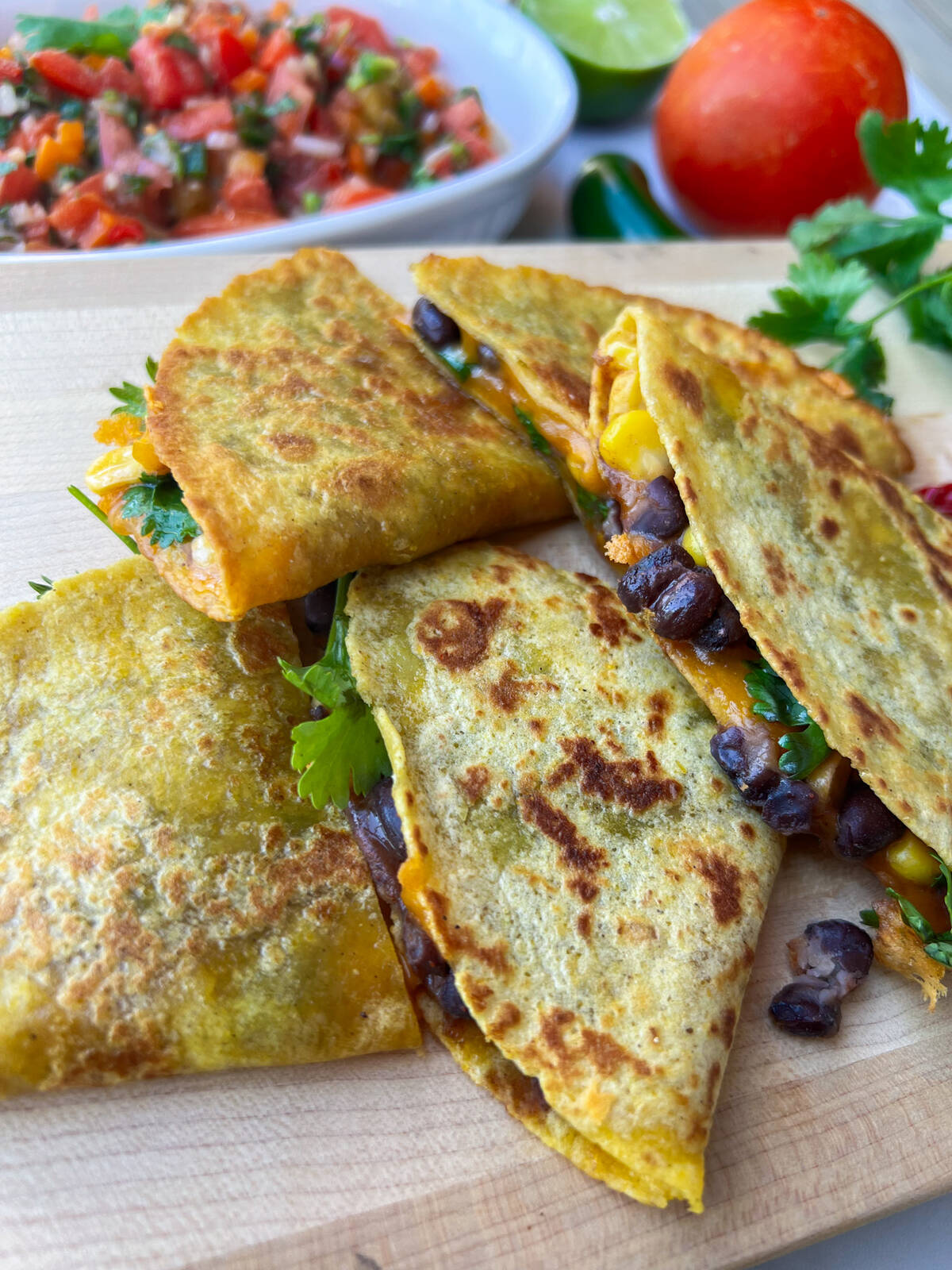
Cheesy use-it-up quesadillas
Quesadillas are always a hit and are a great way to use up leftover cooked meat and vegetables. Serve with mashed avocado, sour cream and salsa.
Makes: 4 servings
Ingredients
- 1 cup cooked meat (ground or shredded) or beans
- 1 cup cooked vegetables, chopped small
- 1 tbsp taco seasoning
- 1-2 tbsp canola oil
- 3 cups grated cheddar cheese
- 4 green onions chopped, optional
- 4 large tortillas
Instructions
Mix cooked meat or slightly mashed beans and vegetables with taco seasoning. Set aside.
Heat fry pan over medium high heat. Add oil just to coat bottom of pan.
Place large tortilla in hot pan.
Sprinkle ¾ cup cheese over entire tortilla.
Add half cup of filling to only on one half of the cheese covered tortilla.
Cook for 2 minutes to let cheese melt and ingredients get warm.
Sprinkle green onions over filling.
Fold the half of the tortilla with just the cheese on top of the half with the fillings and fry for 1 minute.
Remove from fry pan and cut into 4 wedges. Repeat with remaining tortillas and filling.
Source: GettyStewart.com
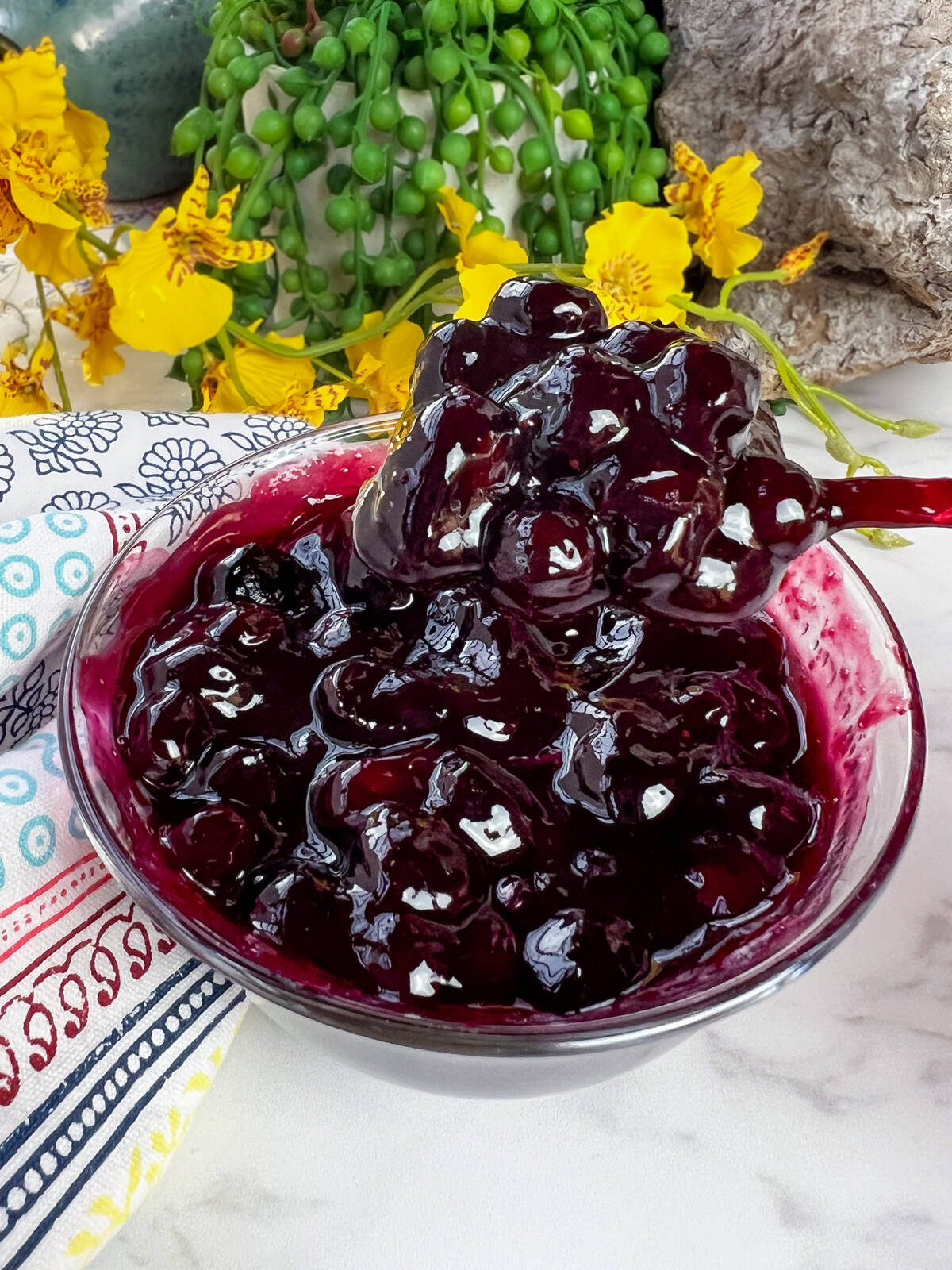
Choose-a-fruit fruit sauce
Make this waste-saving fruit sauce with whatever fresh, frozen or canned fruit you have on hand. It’s perfect for topping pancakes, waffles, oatmeal, yogurt or ice cream.
Makes: 1½ to 2 cups sauce
Ingredients
- 2 cups any fruit (fresh, frozen, or drained canned)
- ¼ cup water
- 3-6 tbsp sugar, to taste
- 1-2 tsp citrus zest (optional)
- 1 tbsp lemon, lime, or orange juice (optional)
- 1½ tbsp cornstarch
- ¼ cup cold water (for dissolving cornstarch)
Instructions
Add fruit, ¼ cup water, sugar, zest, and juice to small pot. Bring to gentle simmer.
Cook 5-12 minutes, stirring gently, until fruit softens and becomes saucy. Length of time will vary with type and size of fruit pieces.
In a small bowl, dissolve cornstarch in ¼ cup cold water. Add to the pot while stirring constantly. Continue to stir and bring to boil for 1 minute until glossy and thickened.
Remove from heat. Taste and adjust sweetness. Sauce will thicken as it cools.
Cool before storing in fridge for up to 4 days. Do not freeze.
Source: GettyStewart.com

Tuna fishcakes
These tasty fishcakes are a great way to use up cans of tuna and cooked potatoes.
Makes: 4 cakes
Ingredients
- 2 cups cooked or mashed potatoes
- 2 tbsp mayonnaise
- 2 185 gram cans tuna, drained
- 1 cup corn kernels
- 2 tbsp chopped chives or green onions
- salt and pepper to taste
- 2 eggs, beaten
- ½ cup dried breadcrumb (using a stale loaf works great)
- canola oil, for frying
Instructions
Add potatoes to a bowl and mash. Stir in the mayonnaise, tuna, corn and chives/green onions. Shape into 4 cakes and chill until cold and firm.
Dip each cake into the egg, letting the excess drip off, then coat in the breadcrumbs. Chill for 15 mins.
Heat a little oil in a pan and gently fry the cakes for 2-3 minutes on each side, until golden. You may need to do this in batches — keep warm in a low oven.
Source: Love Food Hate Waste Canada (courtesy of LFHW Scotland)