It’s certain the first farmers in Manitoba were First Nations people, likely near the site of modern-day Lockport.
That’s why a group of anthropology students from the University of Manitoba spent five weeks at the site this spring, searching for artifacts that could help us learn more about these early agriculturalists.
The earliest recorded observation of agriculture in the region comes from 1805 when U.S. explorer — and later author of a six-volume study on American native groups published in the 1850s — Henry Schoolcraft observed natives in the Netley Creek area growing corn and potatoes. It’s long been understood, but not widely documented, that the cultivation of corn predates this observation significantly.
Read Also
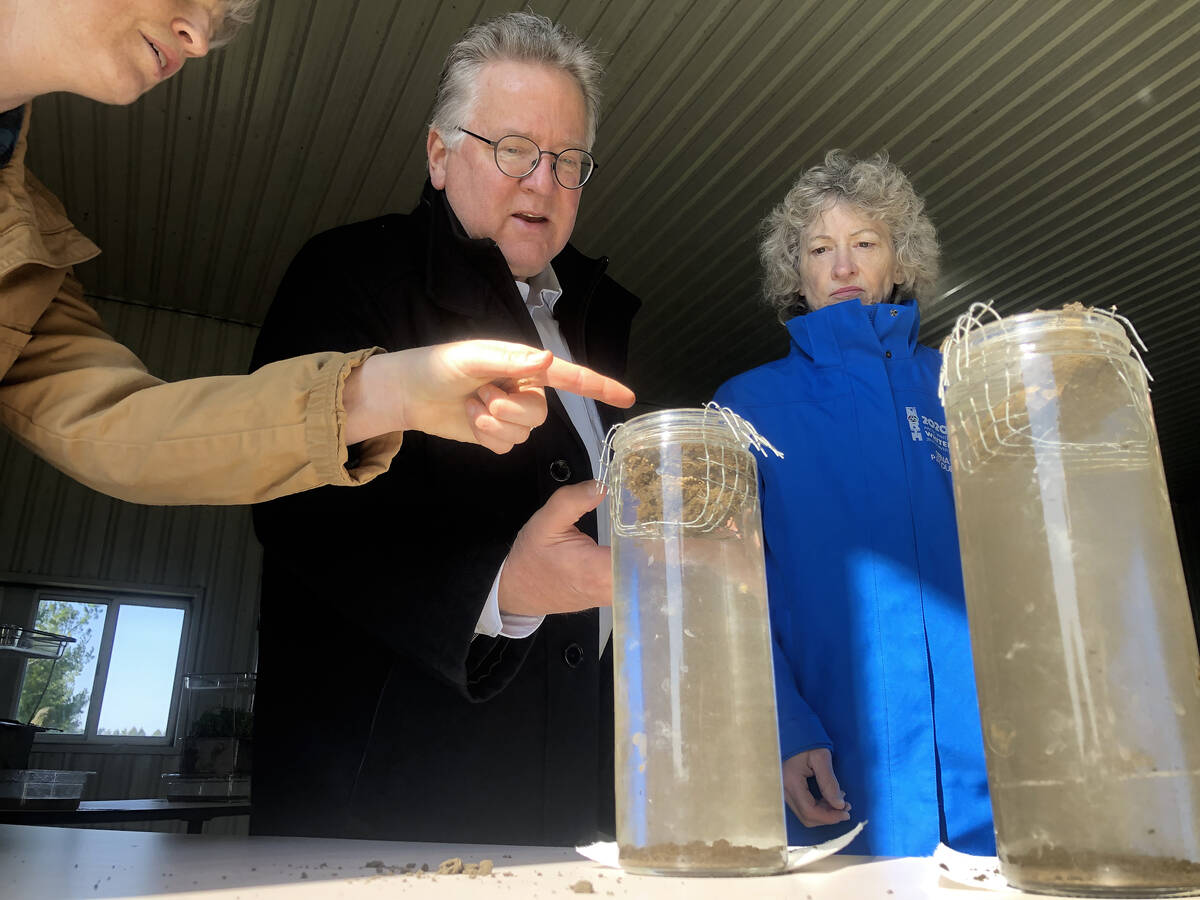
MFGA praises federal government’s national soil strategy promise
Ottawa has announced plans to develop a national agricultural soil health strategy, drawing praise from Manitoba farm organizations.
The project spearheaded by Dr. E. Leigh Syms of the Manitoba Museum, is only the fourth time there has been any archeological excavating on the banks of the Red River beside the St. Andrew’s Dam and Lock in Lockport. The students earned credit towards a field-study class.
During the dig a significant number of artifacts was found, according to a media report from earlier this spring.
“They’re finding bits of ceramic, bits of bone fragments,” Robyn Neufeldt, an anthropology professor at the university, told CTV News. “We’ve actually found bone tools and an arrowhead.”
The artifacts will be sent to labs across Canada and the United States for further testing.
“(The site) roughly dates to the time of the Vikings,” said University of Manitoba Archeology Professor Robert Beardsell — a period known as “the medieval warming period.”
That’s significant because global temperatures were rising, particularly in the North Atlantic. In North America it meant nomadic tribes that had traditionally followed bison herds started to settle and cultivate crops.