Small businesses such as farms are expected to take greater advantage of Canada’s scientific research and experimental development (SR&ED) tax credit through a streamlined application process.
The Canada Revenue Agency on Nov. 17 announced changes to the application process, including a more “user-friendly” format for submitting information on a potentially eligible research or development project.
That application, Form T661, and its accompanying guide have also been “reorganized for a more logical flow and to clarify the documentation needed to support an SRED claim,” the agency said.
Read Also
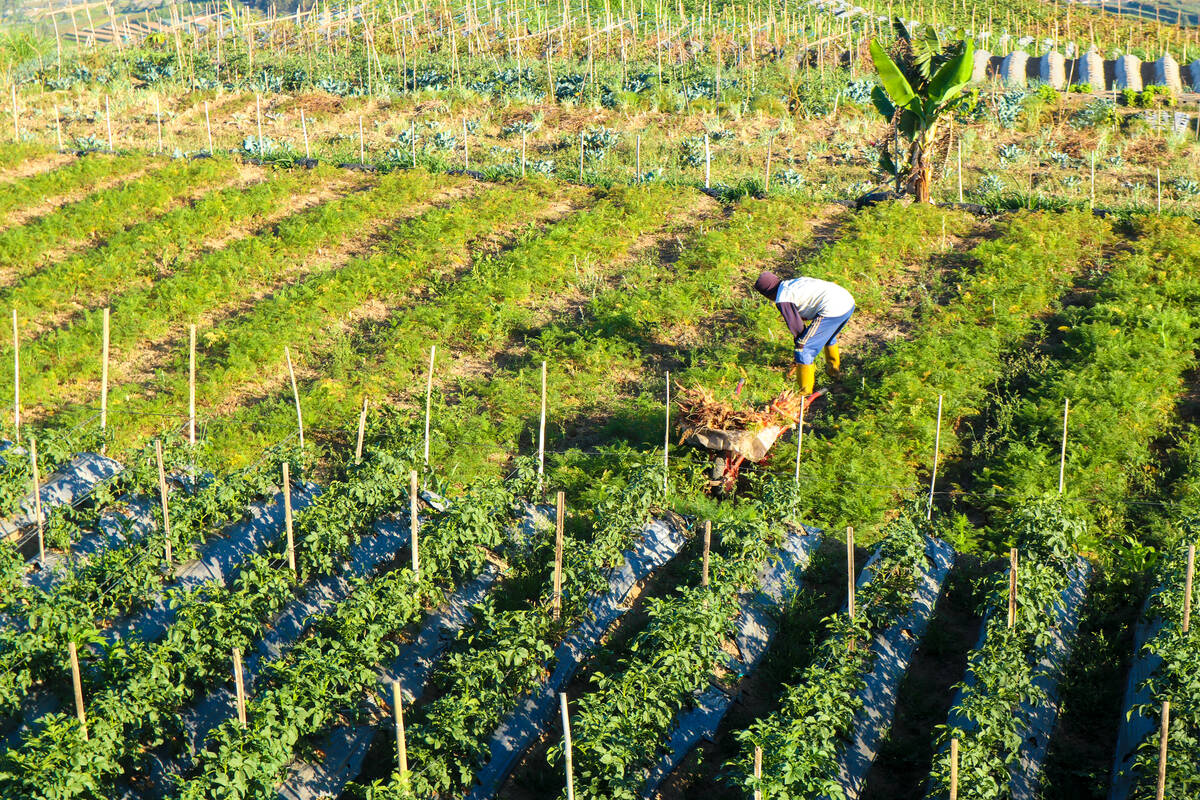
What African farmers can teach Manitoba about soil health
Degrading soil and food insecurity in Africa can teach Manitoba farmers some things about the urgency of soil health.
The agency also now provides a web-based eligibility self-assessment tool (www.cra-arc.gc.ca/txcrdt/sred-rsde/ ssssmnt/) which it said will help claimants see whether their projects may qualify. The web tool is meant to increase the predictability of getting the tax credit for claimants.
“For too long, many small businesses were not taking advantage of this important tax credit simply because it could be complicated and cumbersome,” said Garth Whyte, executive vice-president of the Canadian Federation of Independent Business, cheering the move.
The SR&ED tax credit is meant to support either “advancement of scientific knowledge” or technical advancements for new or improved materials, equipment, processes or products. Some checkoffs used to fund research, such as the Western Grains Research Foundation’s wheat and barley checkoffs, are partly eligible.
The tax credit may also apply to research or development work in animal husbandry, agronomy, plant breeding, plant protection, biomass feedstock production or other crop-or livestock-related sciences.