European Union lawmakers approved a new trade deal with Morocco Feb. 16 that will significantly extend duty-free sales of agricultural, food and fisheries products between the North African kingdom and the 27-nation bloc.
The EU’s agriculture chief, Dacian Ciolos, described the deal as both economically and politically significant.
“It is a balanced agreement, which opens new opportunities for our producers in Europe (and) paves the way for a real reinforcement in our relations with Morocco,” he said.
But critics said the deal would threaten the livelihoods of small-scale agricultural producers in Morocco and Europe and prolong a decades-old dispute over control of the Western Sahara.
Read Also
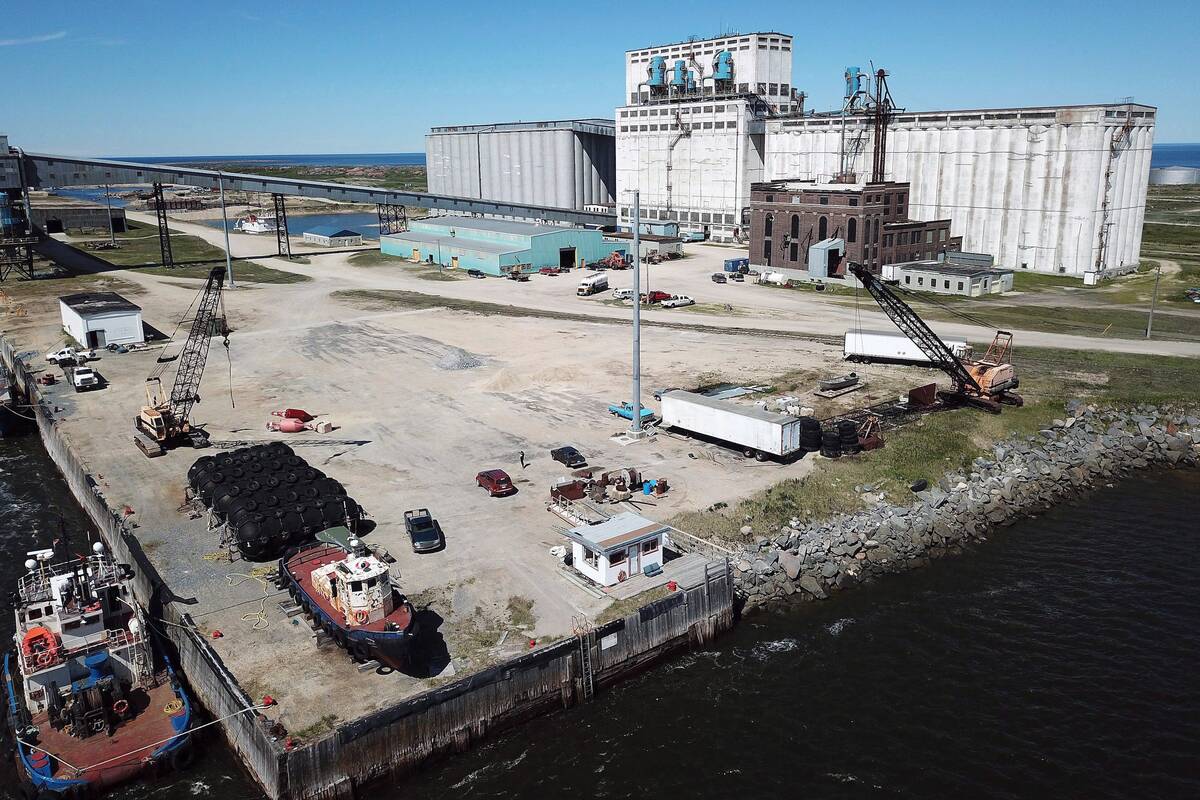
Making way for Port of Churchill expansion
Rail car limits, climate research and marine planning will determine if the Port of Churchill actually can grow beyond its four-month shipping season into year-round trade.
“Those MEPs who endorsed this agreement today should be under no illusion: the agreement is not in the interest of the average Moroccan citizen and not in the interest of the people of Western Sahara,” French activist and Green EU lawmaker Jose Bove said in a statement.
The agreement will allow 70 per cent of EU agricultural exports to enter Morocco duty free within the next decade. This includes oilseeds and cereals, with the exception of common wheat and durum wheat, for which Morocco would apply improved rates.
In return, the EU will immediately lift all its current duties on 55 per cent of imports from Morocco.