winnipeg / reuters / The George Morris Centre is calling on the federal government to curb or eliminate its support for ethanol production because it is pushing up feed grain prices.
Ethanol has boosted feed grain prices by $15 to $20 per tonne in Eastern Canada and by $5 to $10 in the West, said a report issued by the centre. The result is added costs to livestock farmers amounting to $130 million per year, the report said.
“Everybody says, ‘Oh Canada doesn’t set the global prices for grain, we’re a small player,’” said Kevin Grier, senior analyst at the George Morris Centre in Guelph, Ont.
Read Also
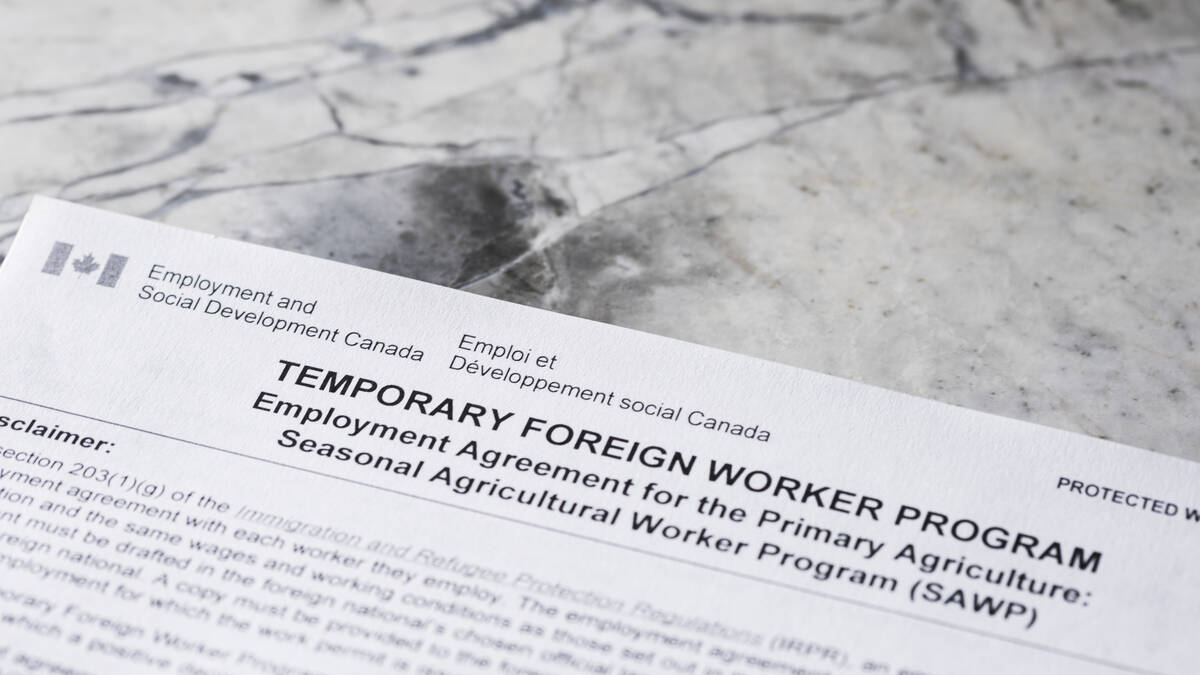
Meat sector shrugs at raised cap for rural temporary foreign workers
Federal moves to relax restrictions is unlikely to change much for agriculture or meat processing, where the real ask is permanent residency pathways.
“The whole focus is to try and show that… ethanol does have an impact. Canada’s policies do matter (to grain prices).”
Ethanol makes up a small portion of demand for corn and wheat and the report overstates its impact on prices, countered Tim Haig of the Canadian Renewable Fuels Association.
“Does it have zero impact? That would be naive. But it’s minimal,” Haig said. “We believe this (impact) is wildly overstated.”
Ottawa and the provinces spend about $250 million annually subsidizing ethanol, according to the centre, and federal rules require gasoline pool to contain an average of five per cent ethanol.
ADM profit plummets, cuts spending
Prices for corn and soybeans are high, but this does not always translate into strong revenues for agribusiness companies. Commodity trading firms and processors have struggled as volatile markets have increased risks and costs.
“Ongoing weakness in global oilseed margins, lower results in corn, and poor international merchandising results hurt our second-quarter profits,” said chief executive Patricia Woertz.