Jose Graziano da Silva, the Brazilian who replaced Senegal’s Jacques Diouf at the helm of the FAO at the start of 2012, said volatility in food markets was likely to continue and that, “Prices will not be going up as in the sense of the last two to three years but will also not drop down. There may be some reductions but not drastic,” Graziano da Silva told a news conference in Rome.
Global food prices measured by the FAO hit a peak in February but have been falling since June as crops have improved and concerns about global economic turmoil have reined in demand growth.
Read Also
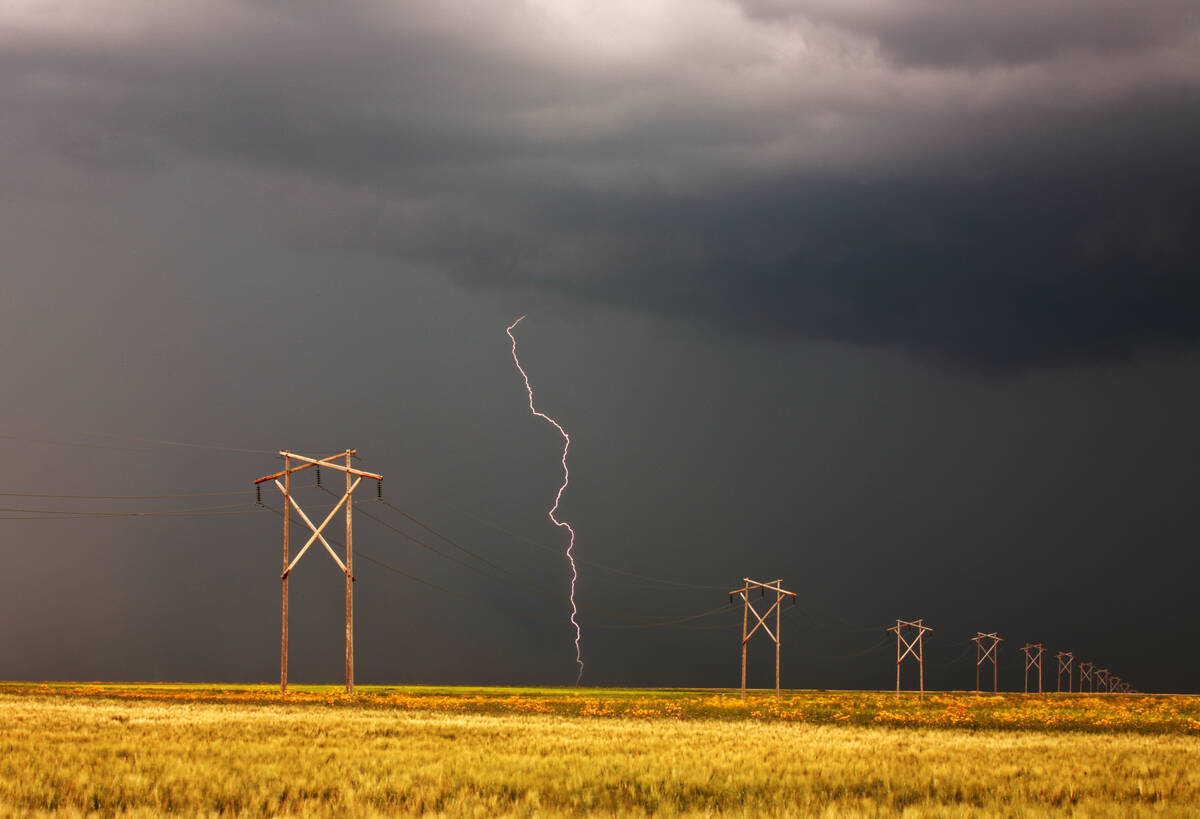
Manitoba Hydro urges farmers to watch for power lines as spring seeding begins
Manitoba Hydro is reminding producers to apply for clearance permits and maintain safe distances from overhead lines before spring seeding.
High food prices have helped fuel inflation and contributed to civil unrest and the Arab Spring earlier this year.
Graziano da Silva said he did not expect the economic slowdown in Europe to impact funding for FAO projects, because the amount countries donated was such a small proportion of gross domestic product that they were unlikely to cut it.
But he said the slowdown was likely to increase the number of people at risk of hunger in the world.
“We will have more work to do, with more people hungry, more people unemployed, and we will need new ways to assist them,” he said, as he began a term of 3-1/2 years.
The 62-year-old agronomist, who is the first Latin American at the helm of the UN agency, said he would focus efforts on poor countries that are most in need of outside help and that his priority would be Africa, particularly northern Africa.
He plans a visit to the Horn of Africa early this year.
The FAO is the largest UN agency with an annual budget of some $1 billion and 3,600 workers.