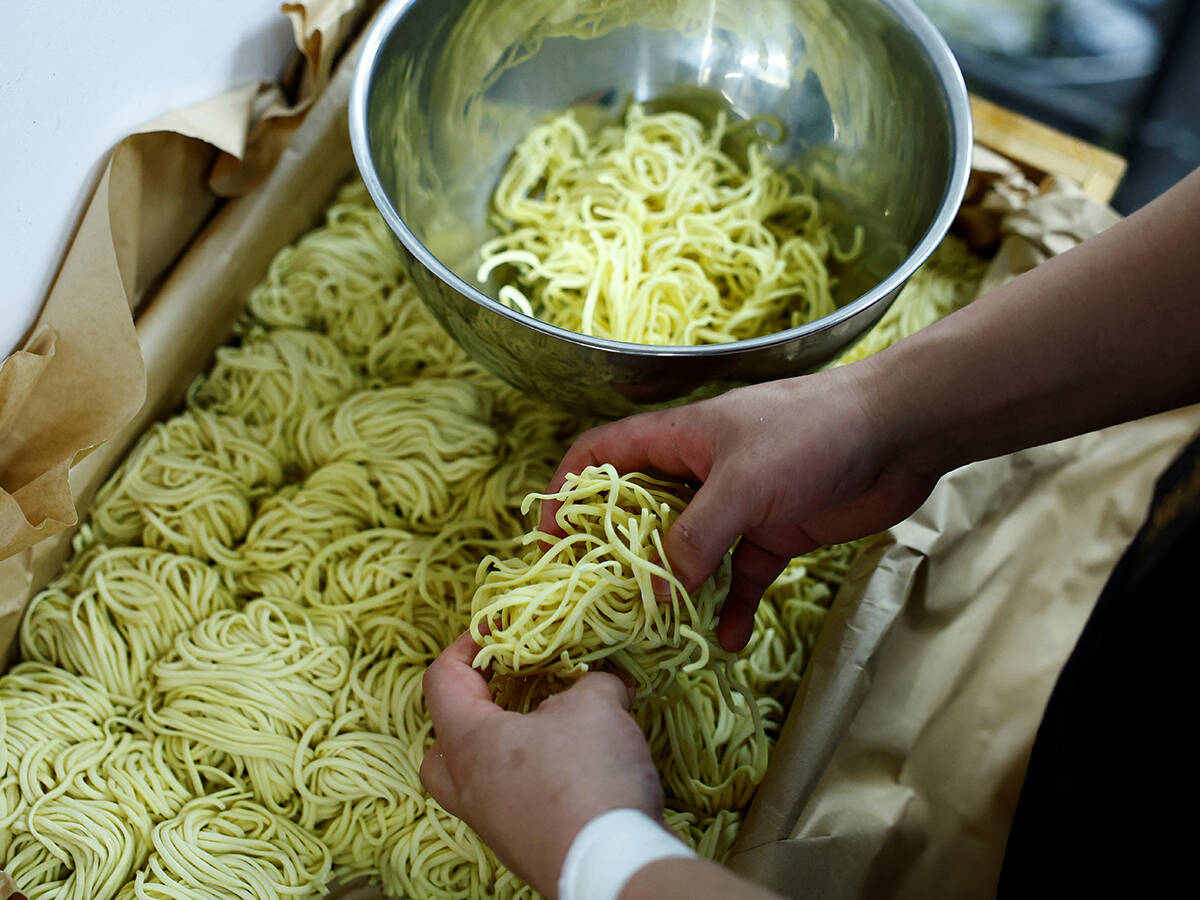
REGINA — Organic producers who want to export should look to the Indo-Pacific region, says an expert on trade in the area.
Yi Zeng, senior director for Asia and global commodities at the Saskatchewan Trade and Export Partnership (STEP), said the area has high population and strong purchasing power.
China and India each have markets of 1.4 billion people, and 12 other major countries have about 600 million combined.
Read Also
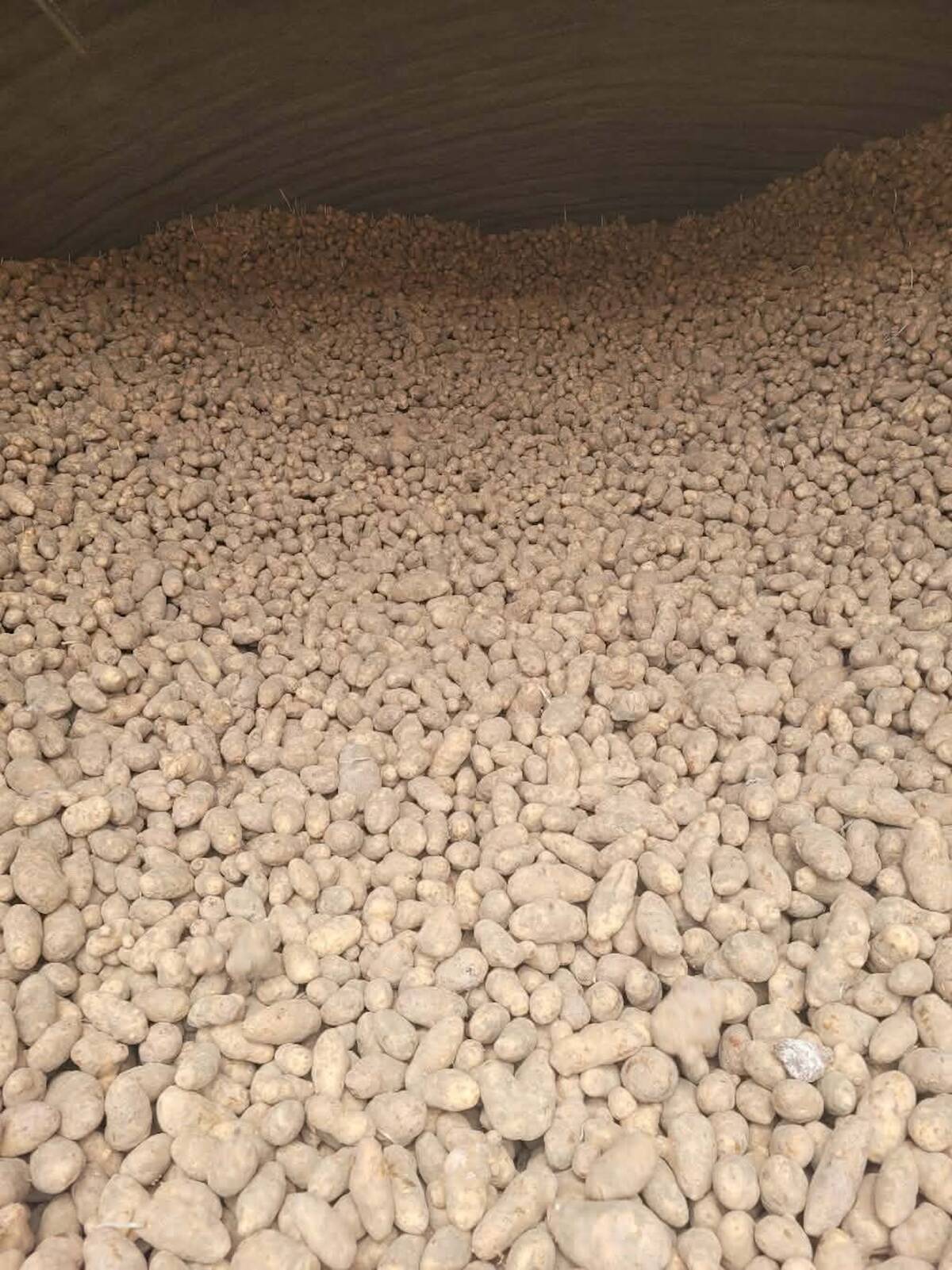
Canadian company looks for better potato storage
A Calgary-founded agtech company is bringing sensor technology and predictive analytics to potato storage bins across the Prairies.
Zeng said the markets are there, as long as exporters know what they are getting into.
WHY IT MATTERS: Canada exported about $685 million worth of organic products in 2023 and continues to seek additional markets.
He includes Japan, South Korea and Taiwan as “Tier 1” countries because they have organic equivalency agreements with Canada. However, in South Korea, that includes only retail packaged foods and not commodities.
Japan presents an interesting proposition for organic exporters because of the health-conscious, aging population and the concept of living an organic life.
“They’re not only eating organic, they use everything organic,” he told the recent Advancing Organics conference in Regina.
They favour clothing made from organic cotton and silk, for example.
“Organic grain and organic pulses and also the organic ingredients for bakery purposes are the major products we can sell into Japan,” Zeng said.
Consumer cultures differ
However, he said exporters should keep in mind that Japanese consumers shop differently than those in North America. They shop daily after work instead of stocking up for a week or more. Packaging requirements are different because the purchases are carried home.
Honey is a good example.
In Canada, someone might buy a kilogram or more of honey. In Japan, “they are packing honey like we do cosmetics,” he said.
Small packages of 30 to 100 grams are better suited to the market. Similar packages would be required in Singapore and Hong Kong, he said.
Japan does not accept flax for human consumption.
Regardless of whether the flax is organic or conventional, the genetically modified content has to be zero. Japan also requires cyanide and glyphosate levels lower than 10 parts per million, Zeng said.
“All naturally grown flax in Saskatchewan, in Canada, cannot meet this safety standard,” he said.
Roasting the flax can be a way around this because it lowers those levels, but most imported flax is used for industrial purposes.
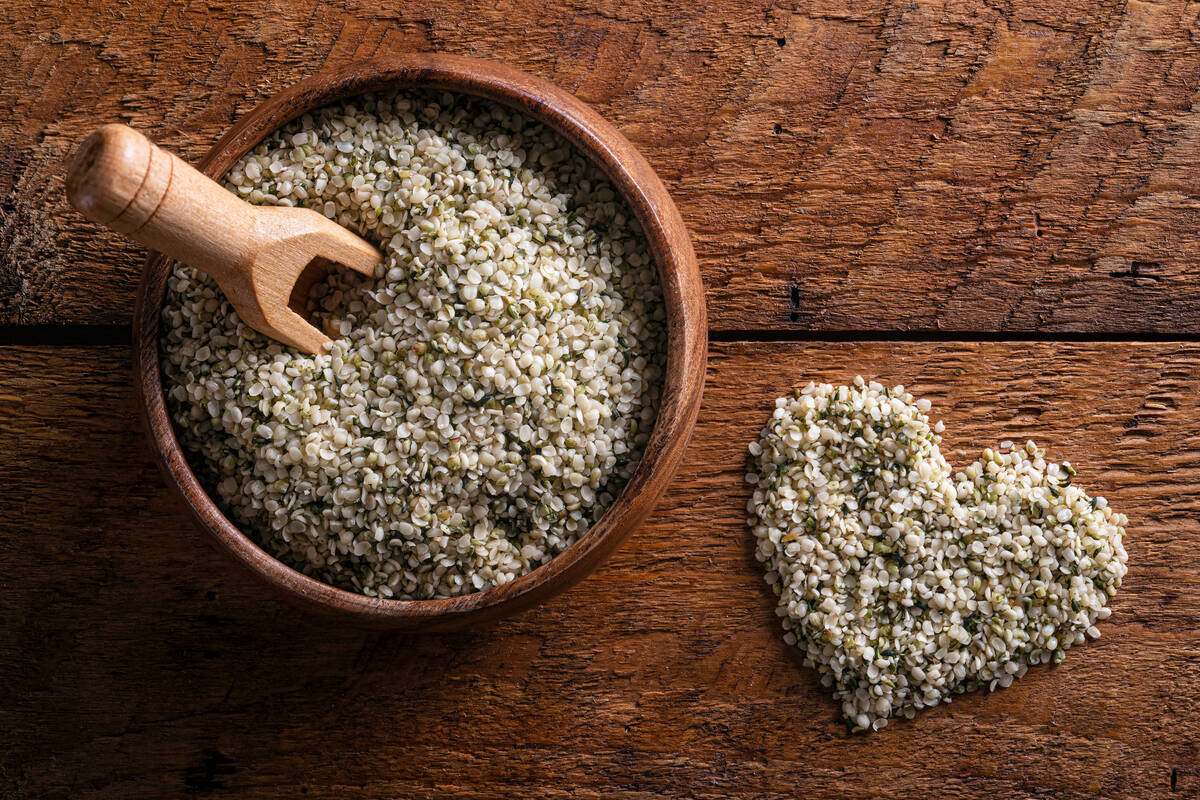
Hemp is another product to be cautious about when exporting.
Only Japan and South Korea accept it under their own national standards.
To meet Japanese specifications, the seeds must be treated so they don’t germinate. In South Korea, hemp seeds are considered a super food, but they must be hulled to be accepted.
Zeng said organic wheat, oats and barley are widely imported. Barley tea is popular, and both Japan and South Korea look for an organic pearl barley to make this product.
South Korea does not accept wild rice or quinoa and considers them both rice, even though neither of them are.
It also has a honey import quota of 200 tonnes from Canada, and Zeng said he knows of one major company that takes the majority of that quota. It would be difficult for an individual organic honey producer to gain much of the market.
Both countries have free trade agreements with Canada and rely on it for food security, he added.
Taiwan does not accept hemp, and none of the other countries aside from Japan and South Korea do.
Other markets, different challenges
Zeng considers the two city state countries of Singapore and Hong Kong as the second tier. Singapore has about five million people and Hong Kong seven million, and neither has farmland to produce what they need.
They will accept Canadian organic certification, although they don’t have official agreements, he said.
“Because they are more like cities, they are more interested in retail packaged organic products or the ingredients which they can use for bakery purposes,” he said.
Organic demand is small, and pretty much any product can enter except hemp.
Tier 3 markets include China and South Korea for commodities. Products have to be recertified to enter these markets.
Zeng said China should not be ignored because it already buys a lot of organic products from Saskatchewan, particularly for making plant proteins for beverages, starch and ingredients for the health industry.
He classifies emerging markets as Tier 4, saying the organic market hasn’t reached the same level as other countries in the region due to economic levels. These countries, which include India, Indonesia, Thailand, Vietnam, Philippines, Bangladesh, Malaysia and Pakistan, need food and they aren’t necessarily picky when it comes to conventional or organic.
Zeng encouraged potential exporters to participate in trade missions with STEP and said the organization can help with things such as paperwork.
He also said they can meet international buyers at the Saskatchewan-Asia Trade Conference in Regina in September.