Farmers can’t fix the price tag on crop nutrients. But the latest annual Fertilizer Canada survey tracking their use suggests they have latitude to adjust how much they buy.
Fertilizer Canada has been tracking farmers’ uptake of 4R Nutrient Stewardship since 2014. Most farmers are by now aware of this set of management principles that can be tailored at the farm level: right source, right rate, right timing and right placement.
While 64 per cent of the survey respondents believe they are compliant with 4R strategies, the reality suggests differently, the report noted.
Read Also
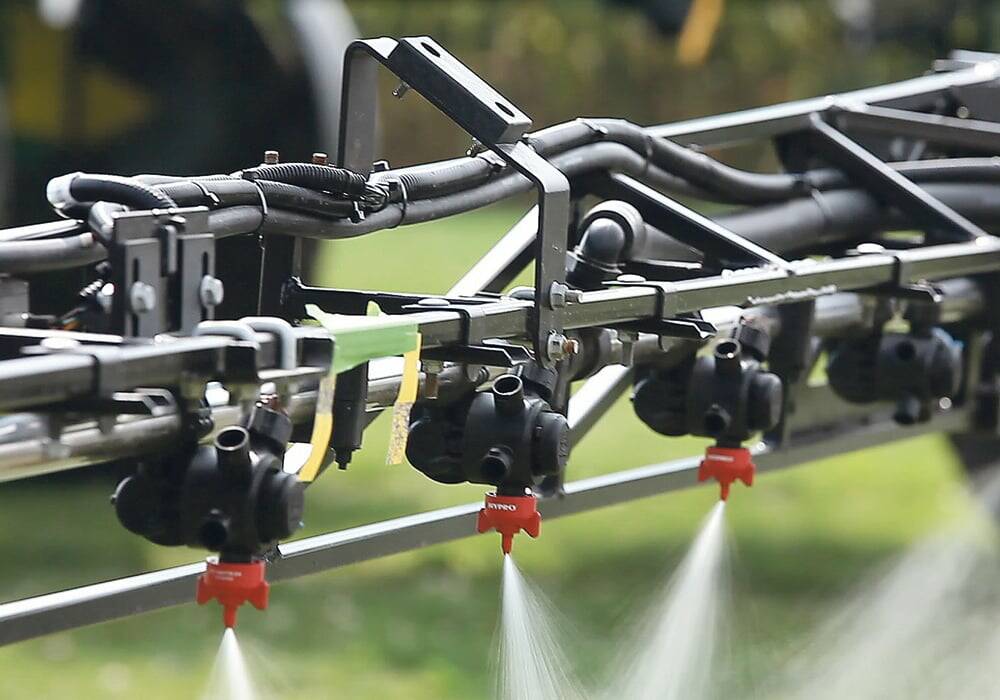
Gulf war fallout pushes crop chemical prices higher for Western Canadian farmers
A major crop input dealer warns prices and supply disruptions could hit Western Canada this spring.

Nearly 80 per cent have no formal plan in place. That doesn’t necessarily mean they aren’t using some 4R tactics, but it is an indicator of general buy in. As well, based on what survey respondents reported, only about 28 per cent or 13 million acres across Canada currently meet the 4R criteria.
Industry observers have also cautioned that practices, such as broadcasting using stabilized urea, may meet the 4R criteria, but still result in overuse.
Why high prices might succeed where advocacy hasn’t
Ironically, the cost-price squeeze of fertilizer might help accomplish what environmental and climate change lobbyists have been advocating for years when it comes to crop fertility management. Current economics may drive adoption of different technologies, both new and old, to improve how efficiently farmers feed their crops. If they get it right, farmers save money, still hit target yields and reduce how much fertilizer is lost to the environment through leaching into waterways or to greenhouse gas emissions.
That said, 4R isn’t automatically a slam dunk. The potential rewards from more refined nutrient management are far from the current reality.
There are a host of practical reasons for this outlined in the Fertilizer Canada report. Some of it, though, stems from the growing disconnect between farmers and the rest of society.
The so-called “best management practices” underpinning the 4R approach have evolved over the past four decades as understanding of soil fertility dynamics has grown and new technologies such as soil mapping and variable-rate application have matured.
However, the underlying production politics have changed too.
In the 1970s and 80s, the message was about “feeding the world.” Focus was on high-yield agriculture, at almost any cost. In the 1990s, we entered the “save the planet” era. Focus shifted to reducing negative effects of modern agriculture on the environment. Issues such as nutrient loading in Lake Winnipeg shifted more to the fore.
Lately, it’s been the climate change agenda driving the push for better nutrient management. The early best management practices were reorganized around the 4R approach partly as a strategy to demonstrate how the industry can voluntarily curtail greenhouse gas emissions before regulators feel the need to move in.
Why farmers aren’t buying the sustainability pitch
Societal efforts to frame environmental stewardship as farmers’ obligation have met with an indignant response from the farming community, so much so that “sustainability” has become a dirty word in some circles. Net zero? Not a chance.
Of course, farmers care about the environment. The cold hard truth though is that, while protecting the soil and water or fending off climate change are laudable long-term goals, they are impractical if they hurt the bottom line.
In the survey, respondents cited lack of equipment, cost, education and time as the main reasons for the slow pace of adoption of 4R overall.
There was also another factor though, and it’s a biggie.
“In Western Canada, a lack of proven benefits was also stated as a barrier to adoption,” the survey report says.
Much of the research focus surrounding these principles has been measuring how well they achieve environmental sustainability goals. Research into whether they make more money for farmers and how has been scant and inconclusive.
The soil testing gap
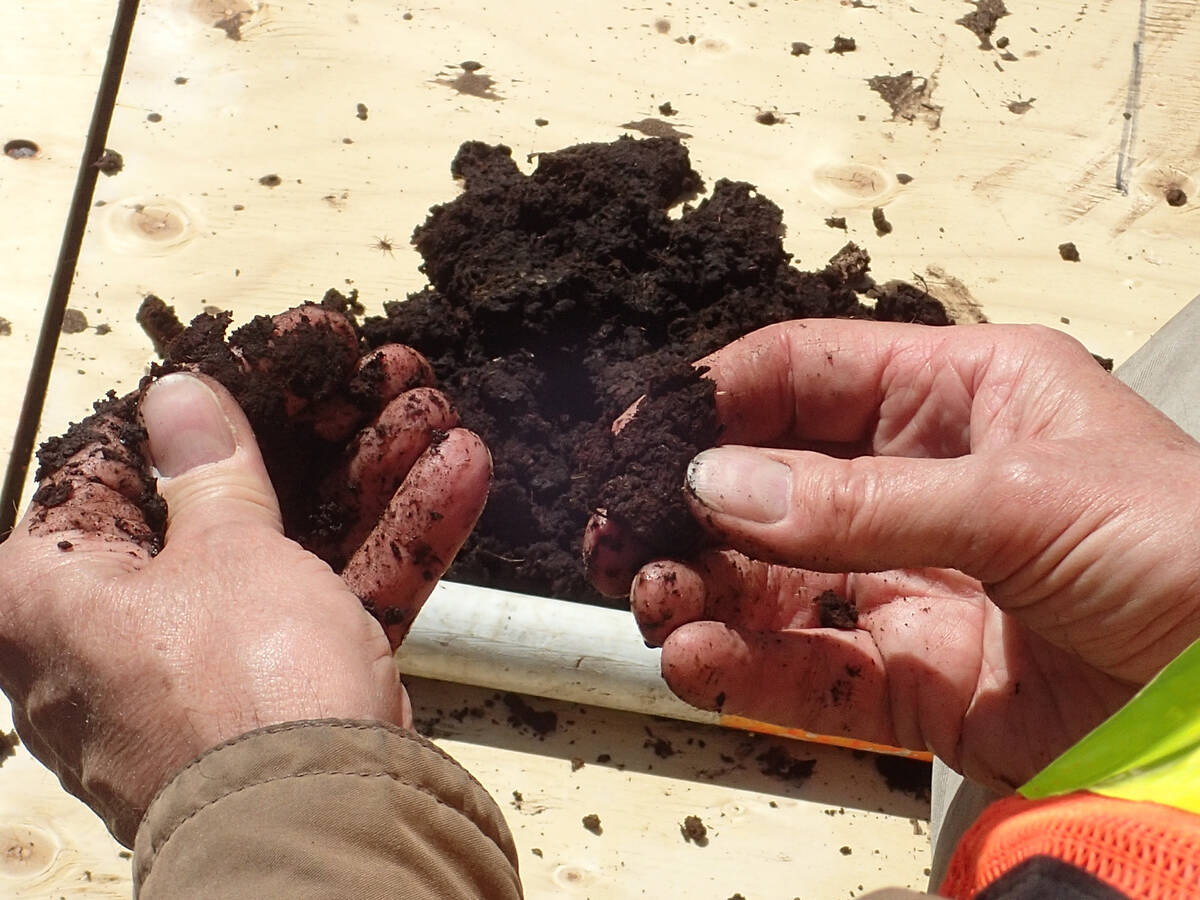
The survey says that the biggest barrier to achieving the first tier in the 4R-compliance process is the “right rate,” because growers are not setting field-specific nitrogen rates.
That’s unsurprising, considering only about 25 per cent of farmers annually test their soils for nitrogen and phosphorus reserves. About 55 per cent test every one to three years. But there are about one-quarter of producers who test less often than four or five years, or not at all.
A high proportion of the fertilizer used in Western Canada is still applied using generic recommendations and “guesstimates” of crop uptake. How much of the applied nutrients reach the crop and how much gets lost remains a mystery on many farms. Farmers have historically compensated by over applying, which worked — at least for the farmer — when fertilizer was relatively cheap.
To be fair, even die-hard advocates say soil test results are best used as a reference rather than a prescription. However, annual sampling does offer insights into what’s going on below the surface. If it saves a few pounds of fertilizer, it pays for itself, plus it forms an important data point that feeds other decisions that could pay even bigger dividends.
A price signal farmers can’t ignore
With fertilizer prices now soaring alongside those drones criss-crossing the Middle East, now would be a good time to review the assumptions driving your on-farm nutrient management.