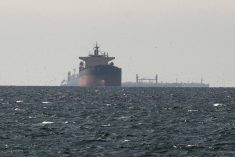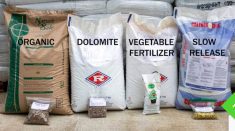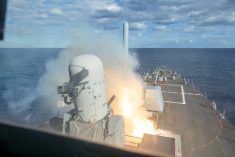
Now entering its second month, the war in the Middle East has become the primary driver for nearly all the major global financial and commodity markets. Crude oil has understandably climbed sharply higher, with fertilizer prices also up substantially from where they were before the conflict started.
The long-term effects of the war on grain and oilseed markets remain to be seen, with day-to-day volatility the likely feature in the near-term.
Against that uncertain backdrop, the underlying supply/demand fundamentals have not disappeared. A quick resolution to the war seems unlikely at this time, which means kneejerk reactions in the markets to the latest developments could subside.
Read Also

Rising input costs, rural concerns dominate KAP’s spring meeting
Nitrogen prices have jumped 40 per cent since conflict disrupted Strait of Hormuz shipping routes, squeezing Manitoba producers heading into the 2026 growing season.
Spring planting
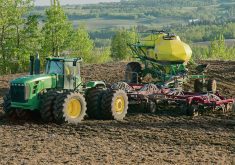
Fertilizer and fuel costs are high, but crops will still be planted this spring. While rotational considerations generally take precedence, there’s always room for some adjustments on the margins.
For canola, the early call from Statistics Canada was for a one per cent increase in canola area on the year, to 21.8 million acres. That survey was conducted before China loosened its import restrictions, leading some analysts to predict actual area will end up even larger.
However, the rise in fertilizer costs due to the war and reduced traffic through the Strait of Hormuz has also led to speculation that high input costs may see some intended canola area go to other less input-intensive crops. In Manitoba, that could mean more soybeans, which were already forecast to see a 12.9 per cent increase in area in the province.
The United States Department of Agriculture releases its much-anticipated prospective plantings report on March 31. The trade sentiment is that corn area will be cut by three to five million acres from the 98.8 million acres planted in 2025, with that area shifting to soybeans, which are expected to see a similar increase from the 81.2 million grown last year.
Old-crop stocks
There is no shortage of old-crop canola after a bumper harvest in 2025 and slow exports for most of the marketing year. Soybean and corn supplies in the U.S. are also very comfortable. That should be limiting the upside potential in the nearby futures.
Statistics Canada will release their March 31 stocks report on May 6. Given the usage numbers so far, there could be about three million more tonnes of canola on hand at this time of year compared to the 6.5 million tonnes reported as of March 31, 2025. Domestic crush margins are very profitable, but the processors are generally thought to be covered for the time being. In addition, it remains to be seen how much extra canola China will purchase.
Biofuel
New U.S. biofuel blending mandates have been in the works for months but are apparently close to being announced. At the time of writing, President Donald Trump was expected to hold an event celebrating farmers at the White House on March 27. Faced with mounting animosity from farmers dealing with Trump’s tariff policies and the fallout from the war in Iran, the National Agriculture Day meetings could present a prime opportunity for the president to appease a key segment of his voting base.
Most analysts don’t expect the blending rules to differ substantially from volumes proposed by the U.S. Environmental Protection Agency before the war, but added clarity would be supportive for corn and oilseed prices. That would also support canola.
South America
While the North American growing season may be just around the corner, harvest operations are underway in the south. Brazil is expected to be bringing in a record-large soybean crop, which should be a limiting factor for oilseeds as they respond to the larger war-related moves in the energy and financial markets.