Most maps on the pace of climate change measure in temperature.
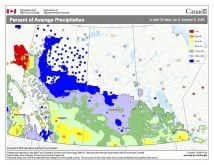
Dave Sauchyn, University of Regina professor and director of the Prairie Adaptation Research Collaborative, sees a problem with that — at least for the Prairies. Sauchyn thinks precipitation and available water need to have a bigger role.
“The focus is so much on temperature, and yet, in our part of the world, most of the climate change is in terms of water supply and distribution of water,” he said. “And also temperature is only one variable.”
Read Also
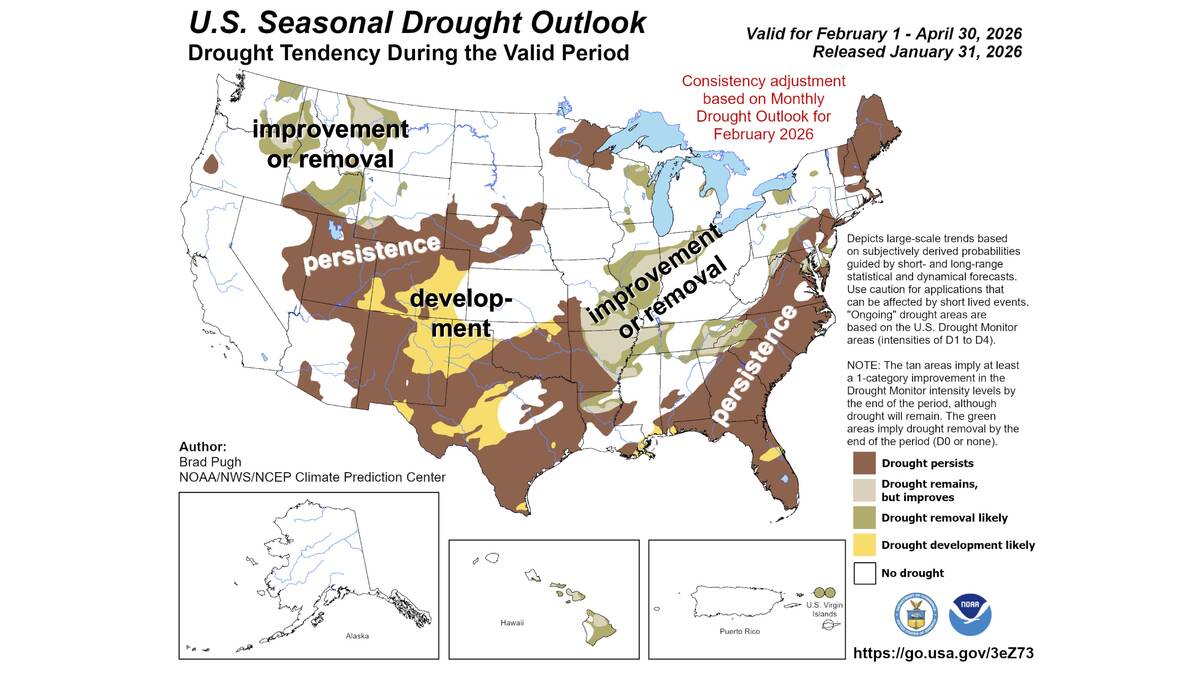
Neutral conditions drive 2026 weather as La Niña subsides
U.S. government meteorologist expects there will be neutral ENSO conditions for the 2026 farm growing season.
WHY IT MATTERS: Farmers have been told to search out more resilient farm systems that can better absorb extreme weather shocks and protect production. A lot of times, those conversations orient around water management.
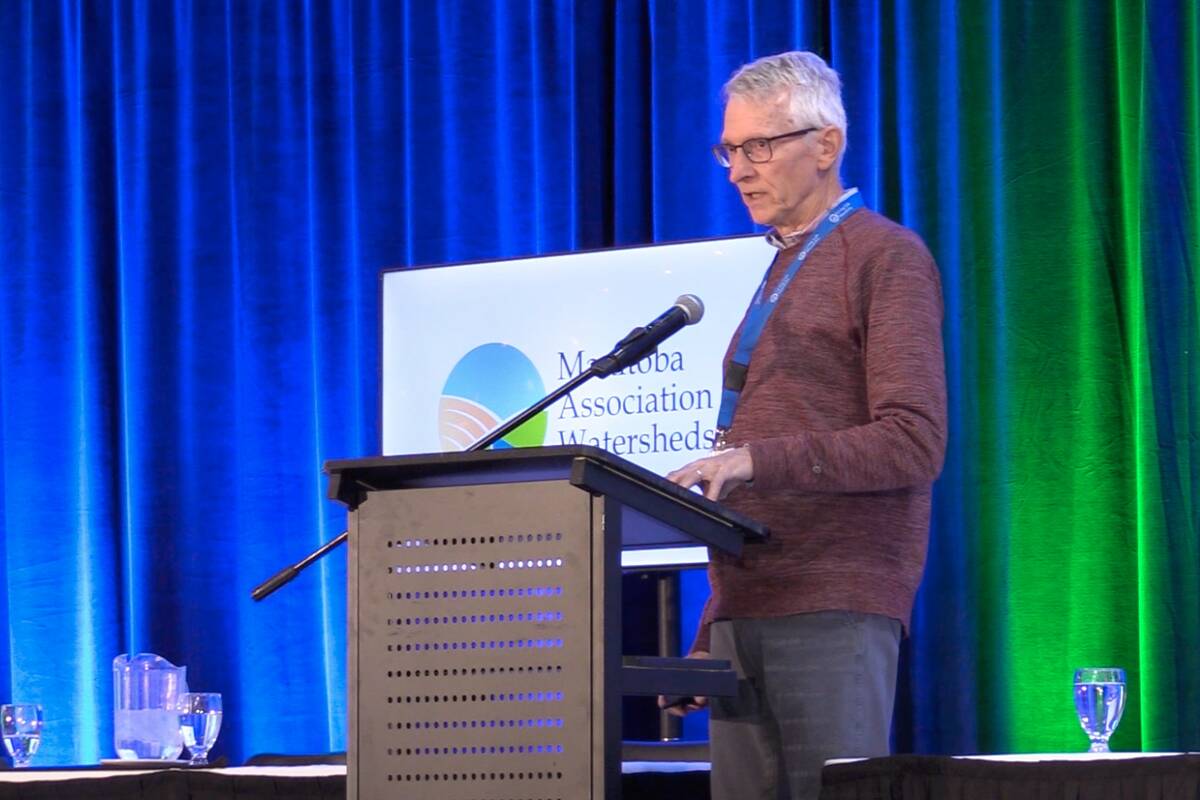
There are weather metrics outside of temperature to pay attention to, Sauchyn added during his remarks to the Manitoba Association of Watersheds late last year: things like wind, humidity and rain.
“I think we need to put more emphasis on precipitation and all kinds of variables related to precipitation: like evaporation, like runoff and snow melt and river flow,” he said. “Those are the relevant variables for our part of the world.”
Silver climate linings for farmers
Some crops are expected to benefit from warmer weather on the Prairies.
Sauchyn said that current climate and soil shows spring wheat, for example, developing growing condition advantages over other major crops, such as canola. There’s also the matter of growing season lengths, currently a limiting factor for warm-season crops.
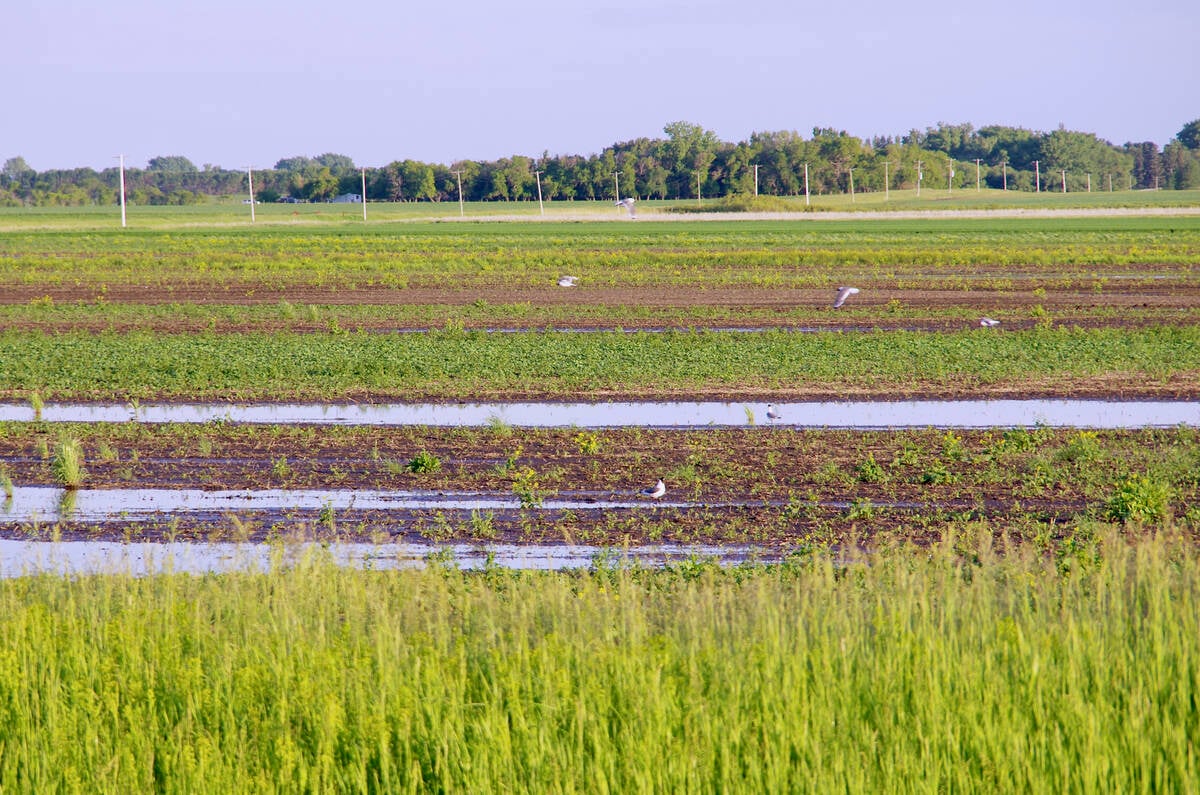
But there is at least one caveat with this prediction. Again, it has to do with water availability.
“When there’s enough water — and that’s key — when there’s enough water, a warmer climate is good in terms of reproduction,” said Sauchyn.
Where water management comes in
Managing that need is where watershed management can play a role in helping growers manage the incoming climate shift, the researcher told Manitoba’s watershed delegates.
Sauchyn said that watershed groups, like those gathered, have been key in the absence of previous organizations like the Prairie Farm Rehabilitation Agency. That branch of the federal agriculture department was very involved in water management on the Prairies before it was dissolved in 2009, Sauchyn said.
“The watershed stewardship groups play an important role in terms of water management,” he told the room, “especially just the engagement of local people and the collaboration amongst people in different agriculture.”
The best solutions are collective ones, he added.
Why temperature as a gauge?
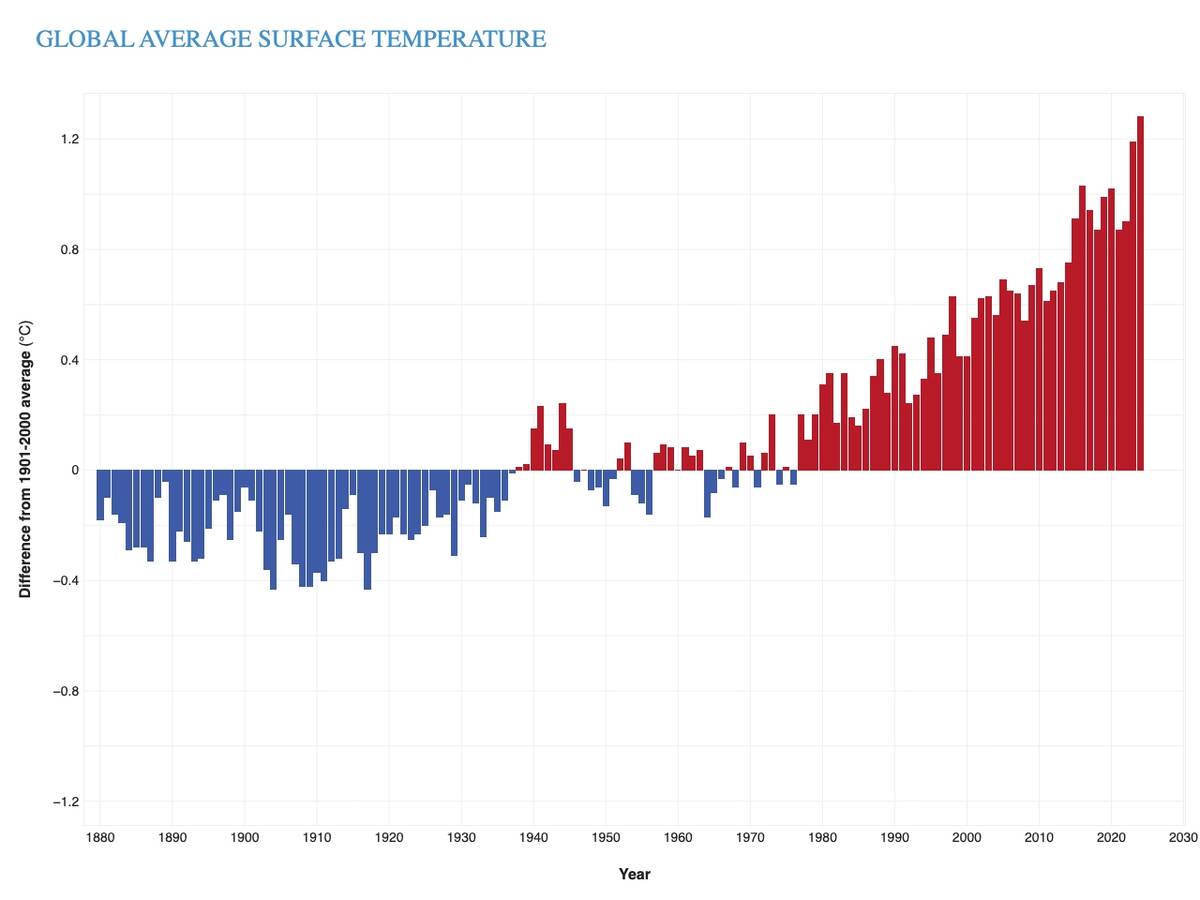
Global temperatures have been accurately and consistently measured since the late 19th century. Since the mid-1970s there’s been a steady rise in the global average temperature.
Bruce Burnett, director of markets and weather for Glacier FarmMedia, said that there are two reason the focus is on temperature.
“Temperatures are the driver of most of the climate system,” said Burnett. “The other impacts (related to climate) usually can be traced back to temperature increases.”
Precipitation is important, Burnett added, but he said the main driver of it comes from an increase in temperature causing changes that then effect precipitation.
The second reason hinges on the process of doing science, and what data is considered most precise and easy to record.
“It goes back to the physics of the thing,” said Burnett, “Temperatures are relatively easy to measure, versus precipitation in what we call the field.”
Essentially, precipitation data is more random than temperature.
“Precipitation variability makes it harder to measure, especially when you’re dealing in records over time,” said Burnett. “That makes it easier to compare temperatures than it does moisture.”