Winnipeg | Reuters — Canadian farmers might plant more canola acres than the 21.8 million that Statistics Canada reported in its seeding intentions report released on Thursday morning, analysts told Reuters.
Farmers are expected to stick with the 18.8 million spring wheat acres and boost their barley acres from the projection based on a December-January survey, as they respond to a spike in fertilizer prices due to the Iran war, an ongoing rally in canola prices, and a search for “safe” crops to grow in a geopolitically fraught world, they said.
Read Also
OPINION: How the Iran war could create a ‘fertilizer shock’ – an often ignored global risk to food prices and farming
A sustained disruption of traffic through Hormuz would not simply constitute an energy crisis. It would also represent a fertilizer shock (where prices go up dramatically and supply goes down) – and, by extension, a direct risk to global food security.
Canada is the world’s top producer and exporter of canola seed and a top-five wheat exporter.
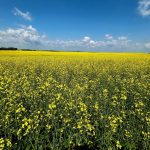
“I think we’re going to see some upward adjustment to the canola acres,” said analyst Jerry Klassen of Resilient Capital. “When this survey was done, canola prices were below the cost of production.”
In some areas like Alberta, many farmers can now make a small profit on canola at today’s forward prices, so farmers are likely to grow more, he said. An increase of 400,000-500,000 acres is likely.
“I’m sure they’re going to lean further in to the oilseeds if they have any opportunity at all,” said Lawrence Klusa of Seges Markets, noting the runup in global vegetable oil crop prices.
Canola prices rise after uncertain winter
Futures prices for 2026-grown Canadian canola are up by more than $80 per metric ton since mid-December, a bigger gain than most competing crops have experienced.
Farmers might also boost their acres of pulse crops like peas if the present surge in fertilizer prices continues, Klusa said. Pulse crops are able to produce much of their own nitrogen requirements, allowing farmers to grow them at a relatively low cost.
Canadian farmers have faced a host of issues this winter. China’s market was blocked to canola and peas by prohibitive tariffs that were reduced only in the past two weeks. Trade tensions with the U.S. and unclear U.S. biofuels policies made that major market for canola oil appear uncertain. The war in the Persian Gulf has suddenly made fertilizer costs and supplies look worrying.
Klassen said farmers are likely to stick with their spring wheat acres and boost their barley acres from what they told StatCan because of these risks and due to the likelihood of financial losses this year.
“Those are kind of safety crops and a good choice with the price of urea going through the roof and so much instability,” said Klassen.
1 acre = 0.405 hectares