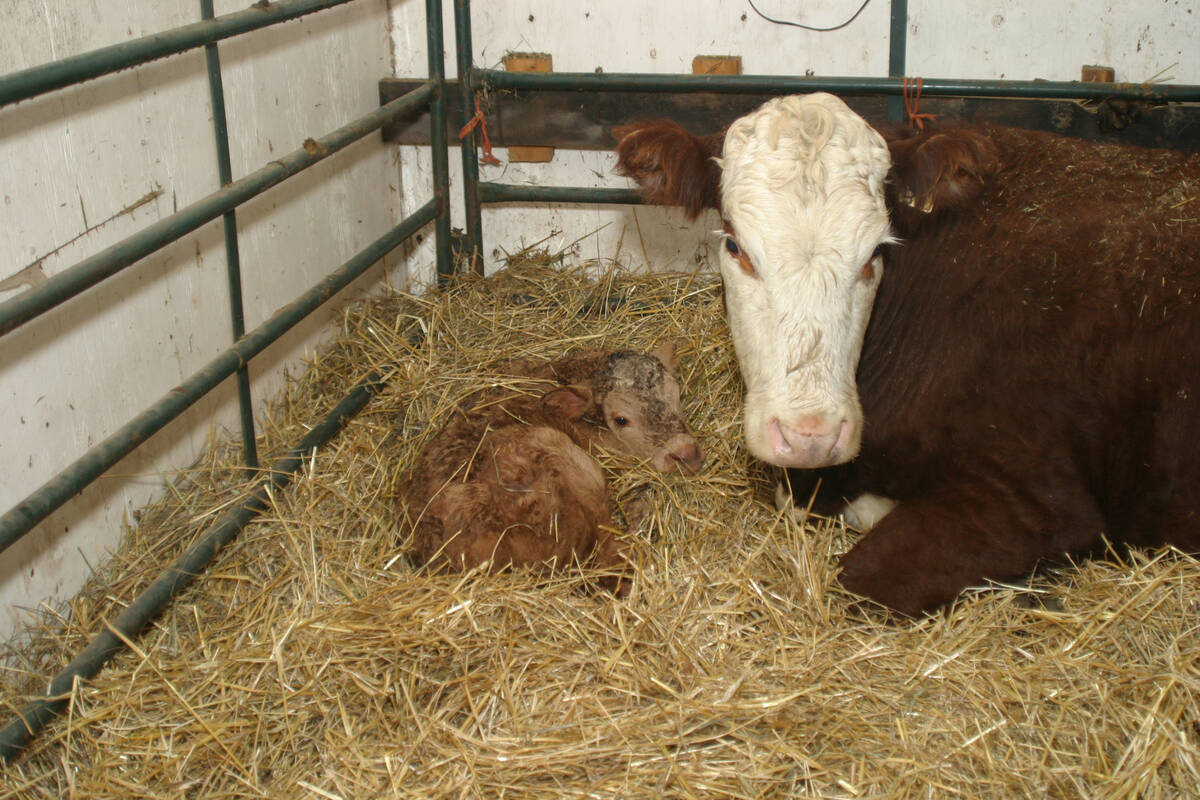
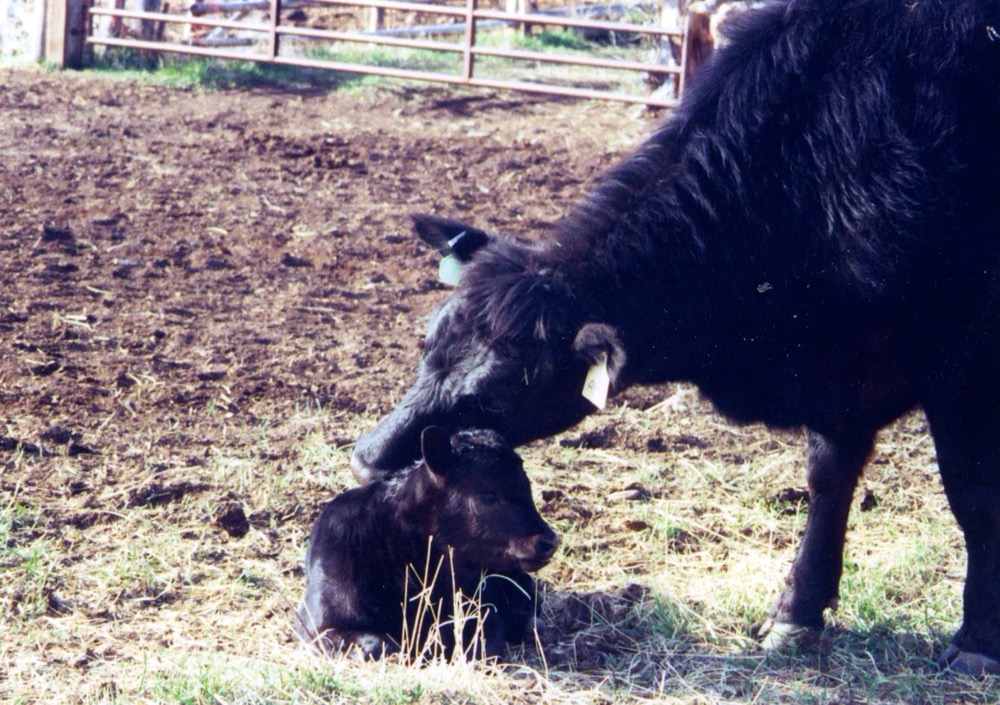
With record‑high calf prices driven by a strong demand for beef and the smallest beef cow herd in Canada and the United States, ensuring newborn calves are set up for success has never mattered more.
What do I mean by setting calves up for success? In simple terms, it starts with making sure each calf receives colostrum of adequate quantity and quality shortly after birth, ideally within the first six hours. In this month’s nutrition column, I want to highlight strategies that improve colostrum production and quality in beef cows, ultimately supporting stronger immunity in newborn calves and better productivity and profitability for producers.
Read Also
THROWBACK: Preparation is key to smoother calving season
Boost calving success by prioritizing herd nutrition, equipment prep, newborn care, and producer well-being.
Calves are born with virtually no immune protection because there is no transfer of immunoglobulins across the placenta. Their immunity for the first few months of life depends entirely on the successful transfer of passive immunity through colostrum. Failure of passive transfer increases the risk of illness in the first month of life by sixfold, increases pre‑weaning mortality by fivefold and can reduce weaning weight by roughly 33 pounds. With today’s calf prices, the economic implications for beef operations are significant. The Beef Cattle Research Council provides excellent guidance on handling and feeding colostrum, and one of the key concepts producers should remember is that a calf’s ability to absorb immunoglobulins closes by 24 hours of age. To achieve the best immune protection, producers should ensure calves ingest as much high‑quality colostrum as possible in the first three hours of life.
While most of our attention tends to focus on the calf — how quickly it stands, nurses or whether it needs assistance — we often overlook the cow side of the equation. Colostrum quality, particularly the concentration of key antibodies like immunoglobulin G (IgG), is largely determined by conditions during late gestation. Colostrum formation begins roughly four to five weeks before calving, which is why late‑gestation nutrition is one of the most critical drivers of both colostrum volume and quality. Research has shown that cows restricted to about 60 per cent of their energy and protein requirements in the final third of gestation, or cows calving in low body condition (below 2.5 on a five‑point scale), produce less colostrum and tend to have lower IgG concentrations than cows calving in adequate body condition (between three and four). Diets extremely low in protein (below nine per cent crude protein) can also impair the calf’s ability to absorb IgG after birth.
Meeting mineral and vitamin requirements during late gestation is equally important. Selenium and vitamin E are particularly influential, as deficiencies in either nutrient before calving have been shown to reduce both colostrum yield and IgG content. Ensuring cows are in appropriate body condition and receiving a balanced diet that meets their energy, protein, mineral and vitamin needs during the last trimester will support the production of ample, high‑quality colostrum rich in antibodies.
Vaccination is another proven tool for boosting colostrum quality. Administering scours vaccines to cows three to six weeks before calving increases the concentration of specific antibodies against pathogens such as Escherichia coli, Salmonella typhimurium, rotavirus and coronavirus in colostrum. Work closely with your veterinarian to design a vaccination program tailored to your herd, as correct timing is essential, and heifers often require booster doses.
As calf values continue to climb, the importance of optimizing colostrum production and quality becomes even more significant for long‑term herd health and profitability. By focusing on cow nutrition in late gestation, providing adequate mineral and vitamin supplementation, maintaining appropriate body condition and following a well‑timed vaccination program, producers can greatly improve the immunity and survival of their newborn calves. Investing in the cow now means stronger and healthier calves later and consequently more dollars staying in your pocket at weaning.
Dr. Gabriel Ribeiro is an associate professor and the Saskatchewan Beef Industry Chair in the animal and poultry science department at the University of Saskatchewan. He has a DVM, and M.Sc. and PhD in animal science (ruminant nutrition).