


The beef industry is asking the federal government to increase the cap on AgriStability from $6 million to $15 million, according to Jon Vaags, a Manitoba cattle producer.
In his role as the Manitoba Beef Producers’ (MBP) representative to the National Cattle Feeders’ Association (NCFA), Vaags lobbied for the recent $6 million increase, announced in July.
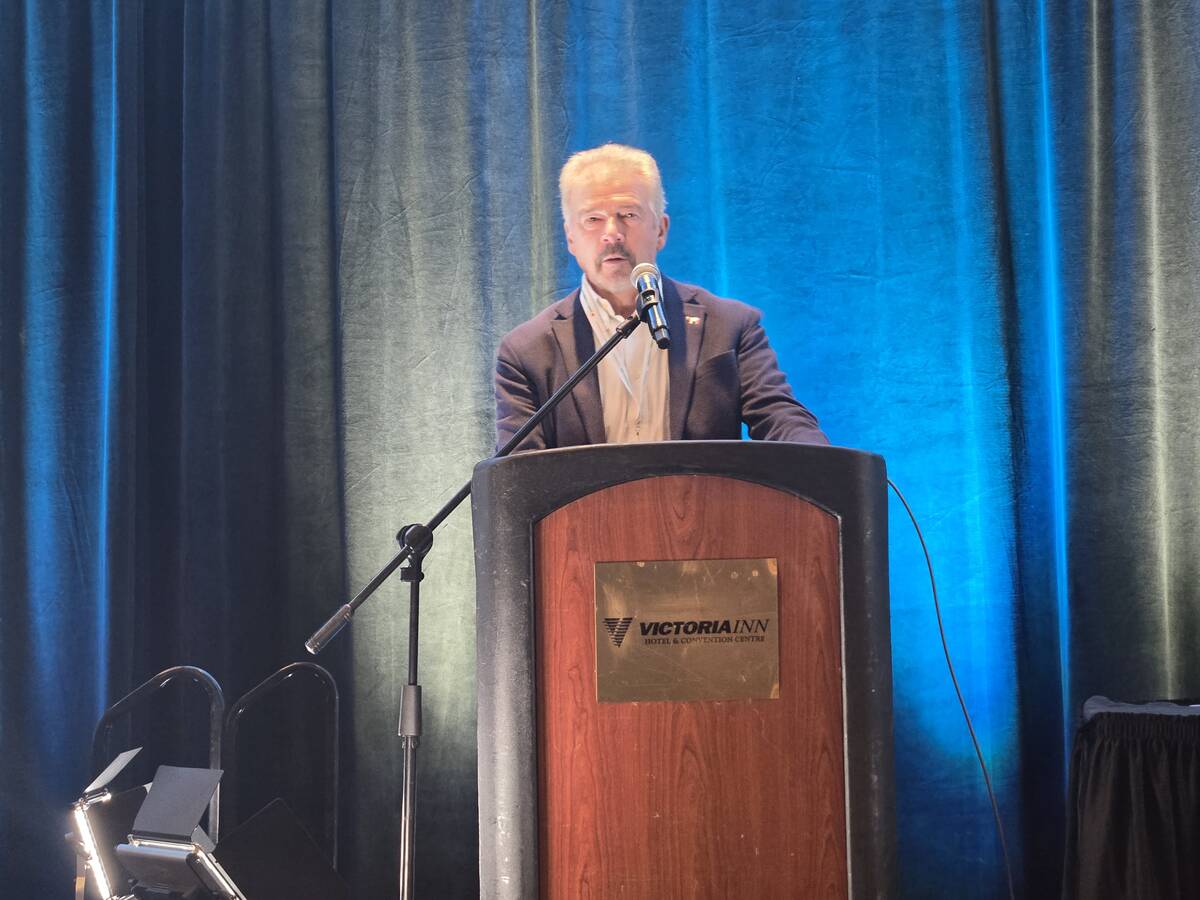
“We’re actually advocating that that isn’t enough,” Vaags told attendees at MBP’s annual general meeting in Brandon on Feb. 11 & 12. “We’re pushing for a cap of $15 million.”
Read Also

Flour production slumps in the U.S., increases in Canada
U.S. flour production in 2025 was the lowest in 14 years.
WHY IT MATTERS: Manitoba cattle producers are calling for an increased AgriStability cap to help protect their businesses from unpredictable market conditions and rising expenses.
Recent changes aim to strengthen program effectiveness
In early 2025, the federal government announced a proposal to raise the compensation rate from 80 percent to 90 percent and to increase the maximum payment amount from $3 million to $6 million.
The move came after agriculture ministers met in Winnipeg in September of 2025.
AgriStability is the main business risk management tool that the NCFA focuses on, Vaags said, after the board looked at all the different options available to cattle producers.
“AgriStability is kind of the best one that’s out there,” he said, adding the group is also focused on making the program more producer-friendly.
Producers urged to reconsider participation
Dennis Laycraft, executive vice-president of the Canadian Cattle Association, agrees. His group is looking for ways to make AgriStability work better. He believes many recent changes have been positive ones.
“If you used it before and got frustrated with it, I’d strongly encourage you to have another look at that, because it’s going to work a lot better than it did previously,” he said.
Trade volatility underscores need for stronger safety nets
One of the reasons the program is so crucial to cattle producers is largely the uncertain trade tension with countries such as the U.S. and China.
“This past year has been consistently inconsistent, owing to numerous factors occurring across North America,” said Matthew Atkinson, MBP’s past president.