Manitoba will be going more high-tech on its forage insurance calculations.
Manitoba Agriculture is launching a satellite-based forage insurance pilot program and expanding loan support for cattle producers, Agriculture Minister Ron Kostyshyn announced Thursday.
WHY IT MATTERS: Satellite-based indexing was one of the suggestions made by a forage insurance review, which released its findings in 2020.
Read Also
Manitoba lamb price high on tight supply
Manitoba lamb prices in 2026 have risen sharply from last summer’s dip, not only from the usual Easter upswing, but generally good demand and tighter supply.
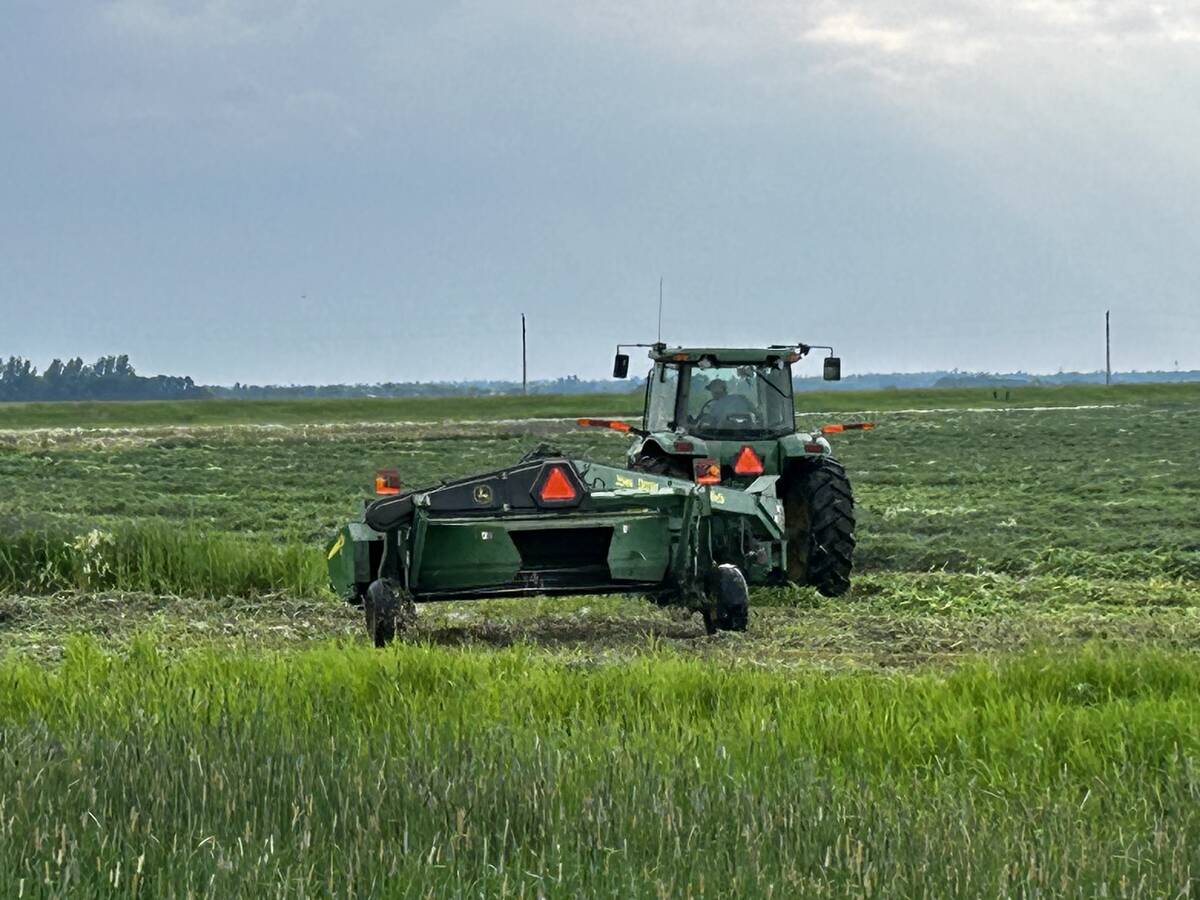
The program will be rolled out by the Manitoba Agriculture Services Corporation (MASC) and will use satellite technology to estimate forage production.
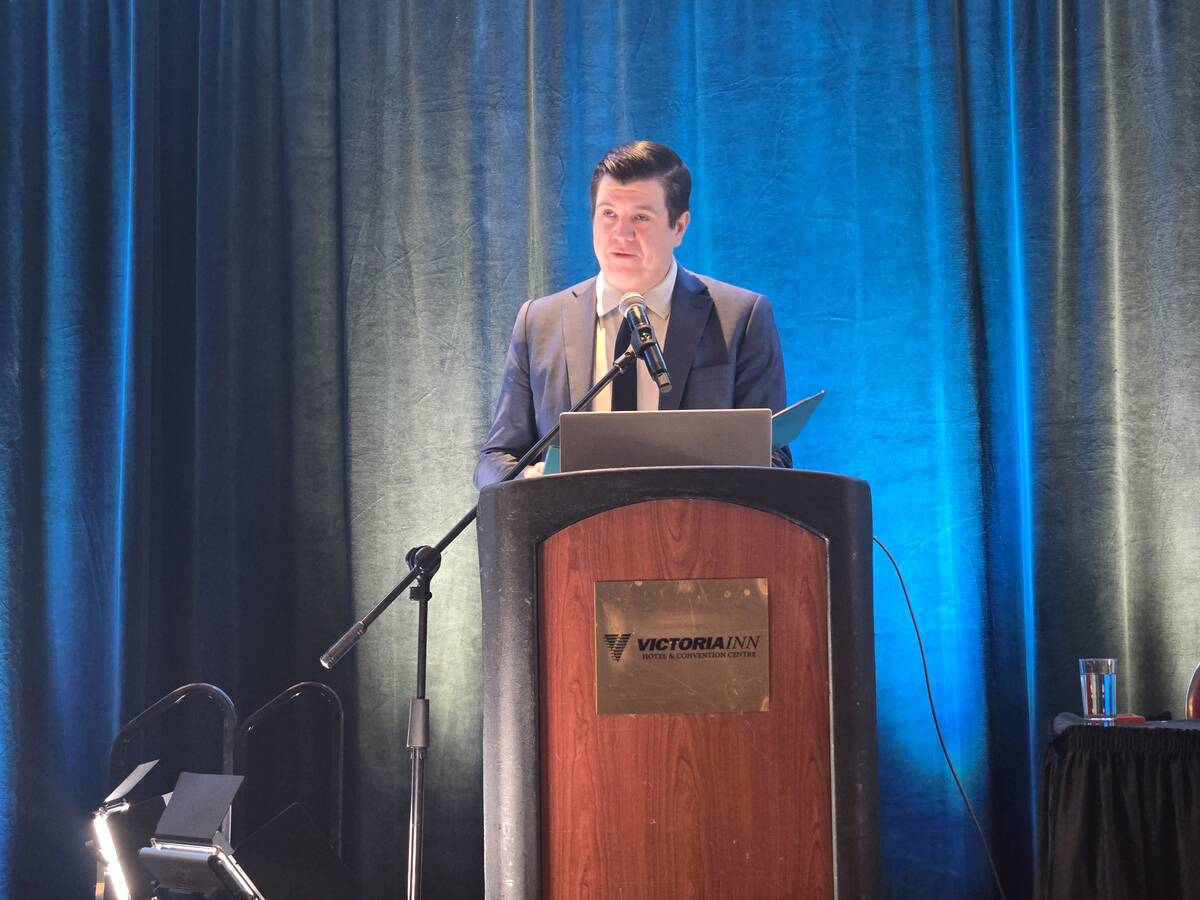
“This will reduce reporting requirements for Manitoba forage producers,” Kostyshyn said at the Manitoba Beef Producers (MBP) annual general meeting in Brandon Feb. 12.
The program is the result of long-standing advocacy from producers, Kostyshyn said.
In 2020, following 2019 feed shortages that highlighted lack of producer participation in the programs, the province put its forage insurance offerings under the microscope. One of the suggestions from the review was implementing index-based insurance systems that depend on weather data or satellite technology to help estimate losses.
Program changes began to trickle out, starting in 2021.
Lessons from Saskatchewan
A similar program has already rolled out in Saskatchewan, according to MBP chief executive officer Carson Callum.
Around 40 Saskatchewan producers participated in a shadow pilot program using satellite data to track soil moisture. No premiums were required to take part and there were no payouts.
Saskatchewan then launched its satellite forage insurance program in January, replacing its previous Forage Rainfall Insurance Program, using technology that measures soil moisture at the township level.
“We’re looking forward to testing it here in Manitoba, to see how accurate it can be,” Callum said. “Anything we can do to reduce that administrative burden is crucial.”
Expanded feeder loans and Crown lands
Kostyshyn also announced additional financial support for cattle producers through an expansion of the Feeder Plus Loan Program. According to MASC, the loan program will offer up to 90 per cent of current market value, to a total of up to $5.75 million for large scale producers.
Manitoba Agriculture is also working on agricultural Crown land consultations with beef and livestock producers, Kostyshyn said. Crown land regulations have been a lightning rod for controversy and farmer criticism since widespread changes were announced in 2019, affecting how grazing and forage leases were allocated, the rights producers had to transfer leases, rental rates, and other points of contention. Regulations went through several rounds of changes across two provincial governments. The current regulations came into force in January 2024. Rate freezes have since been extended and auctions in both 2024 and 2025 cancelled as the government reassesses the system.