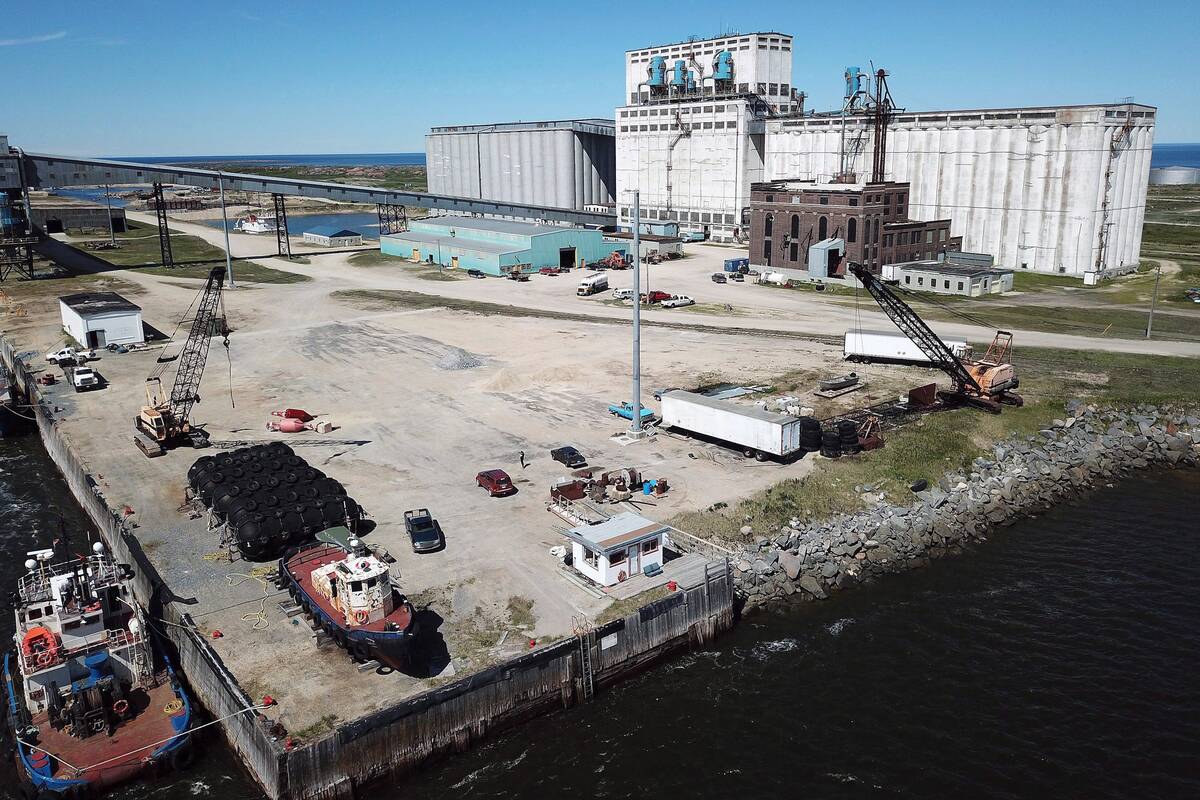
Manitoba wants to make itself a go-to name for Arctic trade. Major shipping players in the province want to see that, too.
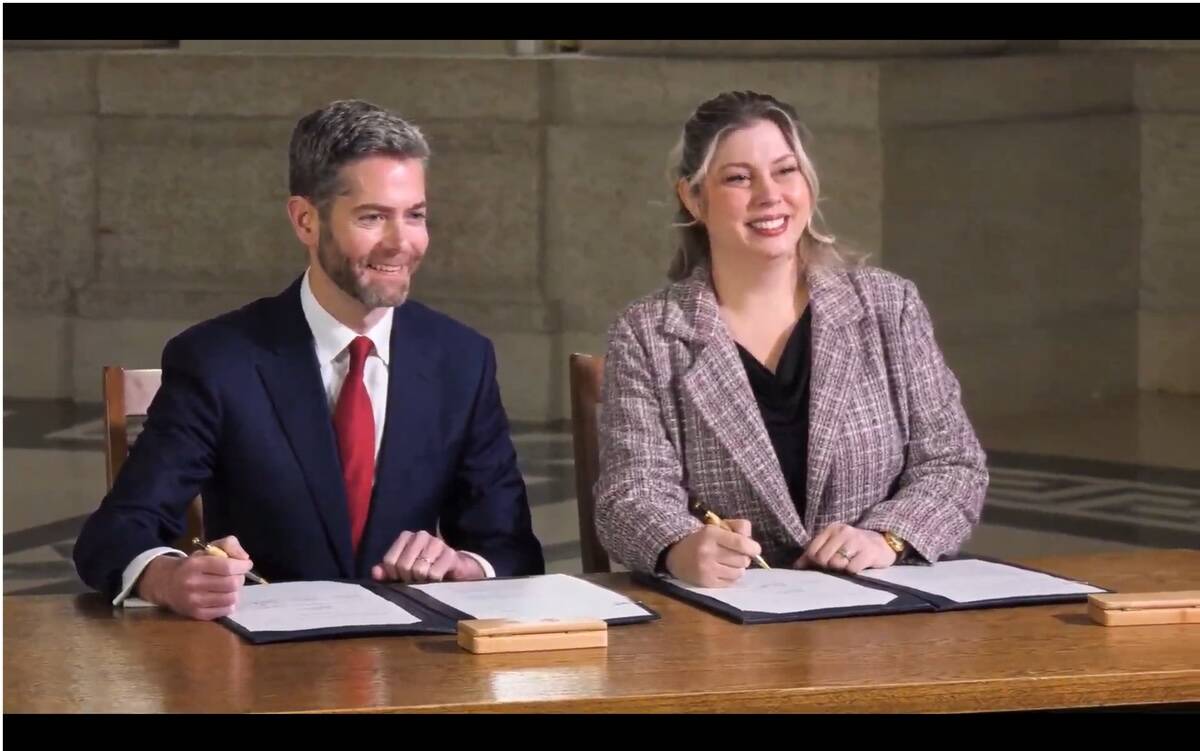
On Jan. 19, the federal and provincial governments announce a memorandum of understanding (MOU) between Arctic Gateway Group (owners of the Port of Churchill and its attached rail line), CentrePort Canada, the Winnipeg Airports Authority and the Province of Manitoba. The agreement would see an air, land and sea trade “corridor” for the Arctic and Manitoba’s northern region.
WHY IT MATTERS: With less ice cover throughout the season, as well as pressure to strengthen non-U.S. trade, the north-bound route through the Port of Churchill has gotten more public attention and both industry and government buy-in.
Read Also

Manitoba Beef Producers take aim at elk surge, feed losses from wildlife
Resolutions at last month’s Manitoba Beef Producers meeting seek help to rein in elk and deer populations, expand fencing supports and improve compensation for wildlife damage.
The goal of the partnership is to build Manitoba’s — and ultimately Canada’s — foreign trade capacity in the wake of new international challenges.
“What it means is easier access to services for businesses, better use of (CentrePort Canada’s) foreign trade zone and more resilient and reliable supply chains that help Manitoba companies reach global markets,” said Jamie Moses, the Province of Manitoba’s minister of business, mining, trade and job creation during a signing ceremony in Winnipeg.
The announcement comes as Arctic Gateway Group and the provincial and federal governments look to significantly expand the Port of Churchill, a project dubbed Port of Churchill Plus. Goalposts of that plan include year-round shipping out of the port, better rail services and an all-weather road to the community of Churchill.
Centreport Canada has also been recently bolstered. In December, the Province of Manitoba announced $450,000 towards improvements at the inland port.
Good for Manitoba, good for Canada
The new memorandum sends a signal that the province is ready to lead Canada’s foreign trade in uncertain times, said Rebecca Chartrand, federal minister of northern and arctic affairs.
“Manitoba is ready to lead. Manitoba is ready to deliver. Manitoba is ready to compete,” she said. “We’re here because the world has changed. Global trade routes are shifting. Supply chains are strained and countries everywhere are scrambling to secure reliable ways to move goods.
“Canada is not immune and Manitoba has felt these pressures in agriculture, in critical minerals and across the northern supply chain. But in moments like this, leadership matters, partnerships matter and vision matters, and that’s what this is.”
Chartrand called Manitoba a “unique” combination of inland rail, air cargo and arctic tideway access “strengthened by world-class trucking.”
“This MOU integrates those assets into a single logistics ecosystem — not three separate networks, but one powerful corridor capable of moving Prairie products to global markets more efficiently and securely.”
Chris Avery, chief executive officer of the Arctic Gateway Group, called Manitoba the “strategic centre” of Canada’s next step as a trade leader.
“This is because Manitoba is truly a Maritime province. Through the Port of Churchill and the Hudson Bay Railway, Manitoba has direct access to its own Maritime coast,” he said.
“When you combine that with the tremendous infrastructure at CentrePort Canada (and) the Winnipeg airport, you have something that’s truly unique: rail, road, air and sea working together from the heart of the continent.”
Avery briefly reported on the port’s modernization in recent years, including multiple shipments of critical minerals through the port and the rebuilding of the railway to “the best condition that it’s ever been.”