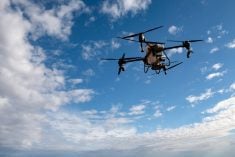


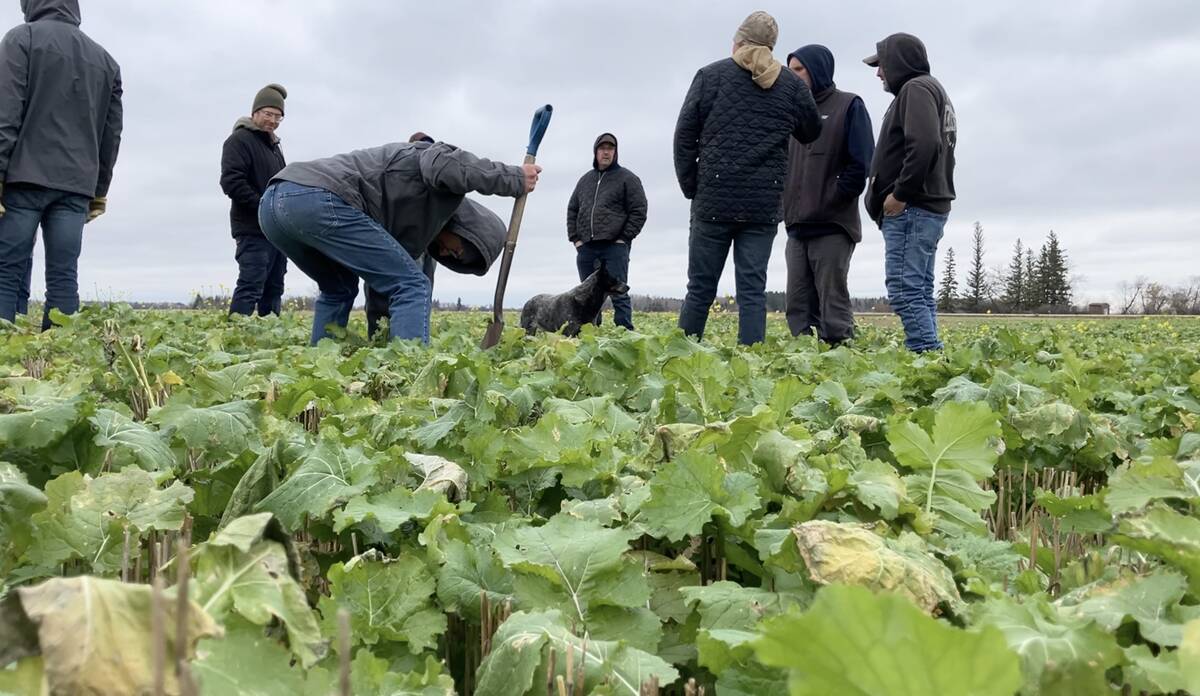
This past summer near Arnes, Man., researchers with Manitoba’s Living Lab pit a drone’s seeding skills against a traditional drill.
The idea was to see how well the drone could seed a multi-variety cover crop, how much biomass could be produced and would it be enough to build soil carbon.
WHY IT MATTERS: Canadian researchers want to see if drone seeding cover crops can help minimize tillage and deal with the challenge of how to seed a cover crop without damage or interference to a grain crop.
Read Also
Manitoba John Deere dealers plan merger
Two retail dealership chains handling John Deere farm equipment in Manitoba say they plan to merge, bringing 13 locations under one organizational umbrella.
Drones for aerial seeding is not a new concept, said Oscar Molina, a research scientist in cropping systems for Agriculture and Agri-Food Canada. Another Living Labs project in Ontario is also looking at cover crop seeding via drone. The practice is also used in some U.S. states.
Molina was among the speakers at the Manitoba Association of Watersheds conference in Brandon in early December.
Making cover crops work
Cover crops are one practice agriculture and policy makers hope will be a win-win for both farmers and the environment. At the same time, there are local challenges, like a shorter growing season and a need for more complex herbicide plans.
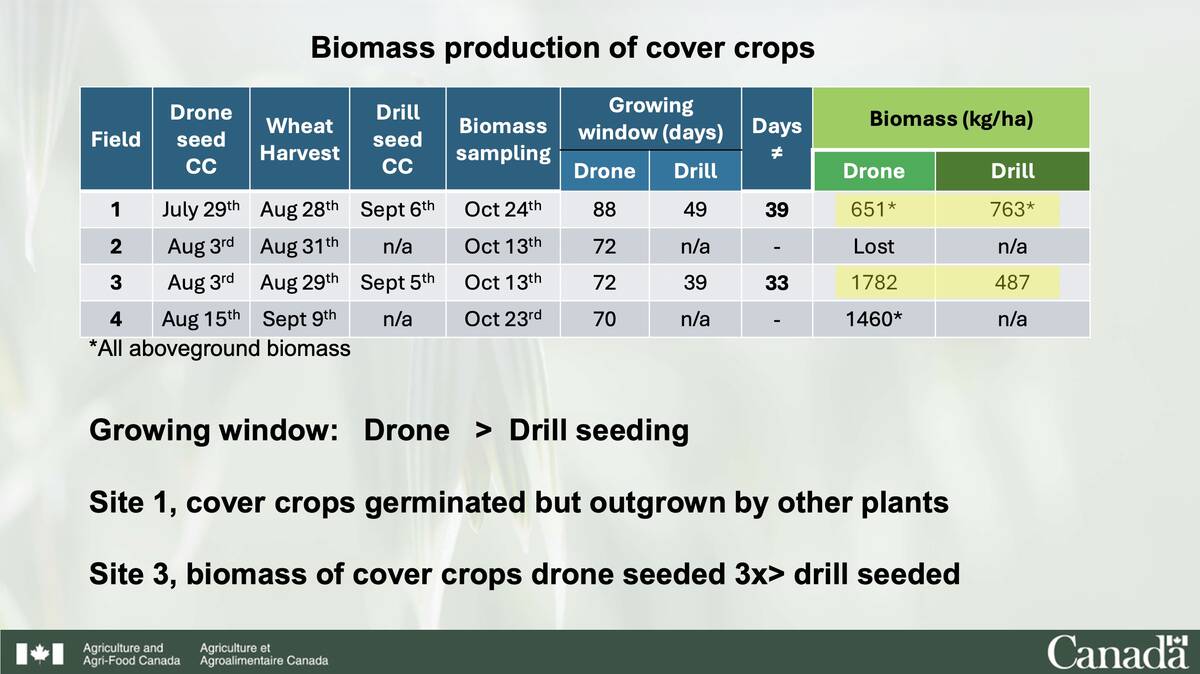
Drones, though, aren’t limited to ground travel. They can get into a field earlier in the season to seed, giving whatever they broadcast a longer window to grow. That longer growing window comes with more time to grow biomass, Molina said.
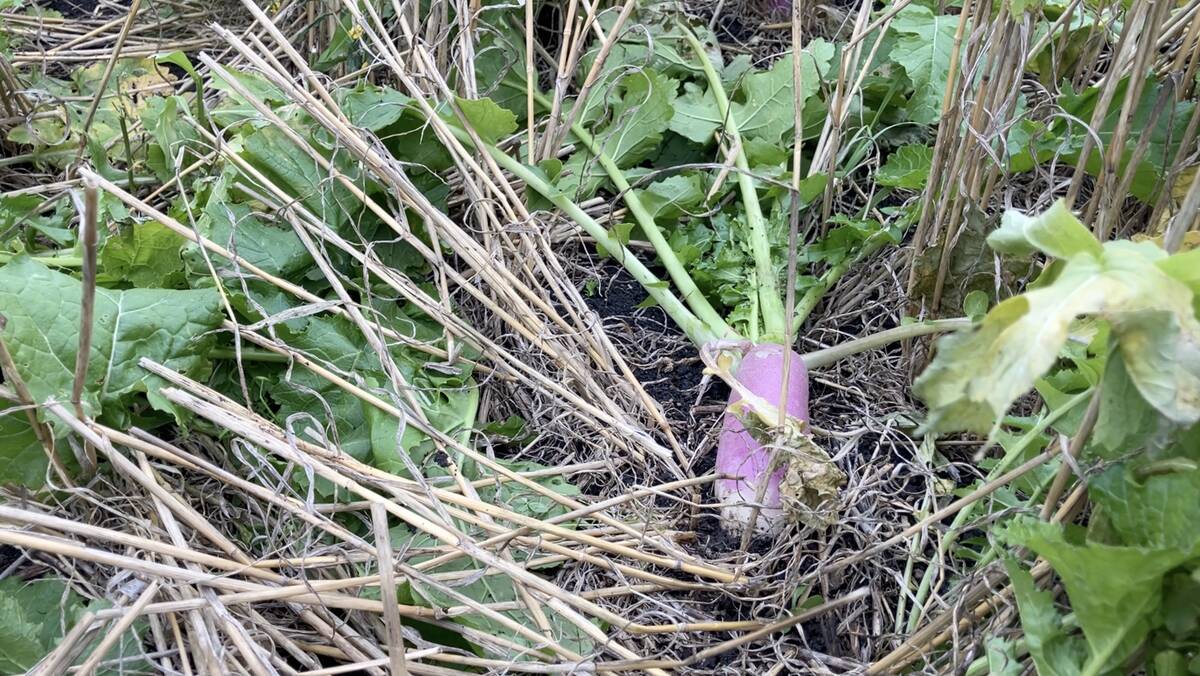
Researchers opted for a mix of crops suited to being broadcast via a drone for their recent trial. These were small seed crops such as clovers, ryegrass, turnips and radishes.
Three fields in the eastern Interlake and one field in the central Assiniboine watershed districts were chosen for the project. Drones seeded the trial plots at 12.5 pounds per acre and a traditional planter seeded at eight pounds per hectare. No fertilizers were added in either case.
Traditional equipment, using the same crop varieties, was used as a comparison.
Drone seeding trial results
The project ran into some weather challenges.
Much of the Interlake ended up short of rain —bad conditions to test any kind of crop establishment fairly. Timely rains ended up being the biggest differentiating factor between sites that did well and those that flagged.
One test site performed so well that its drone-seeded biomass was more than three times greater compared to a traditional planter.
Molina noted that “the radishes and the brassicas overall, they actually did much better.”
One grower participating in the project noted that the turnips grew better than the radishes.
Overall, clover species had difficulty establishing. Where test sites experienced some drought, weeds tended to out-compete the cover crop.
Soybeans next?
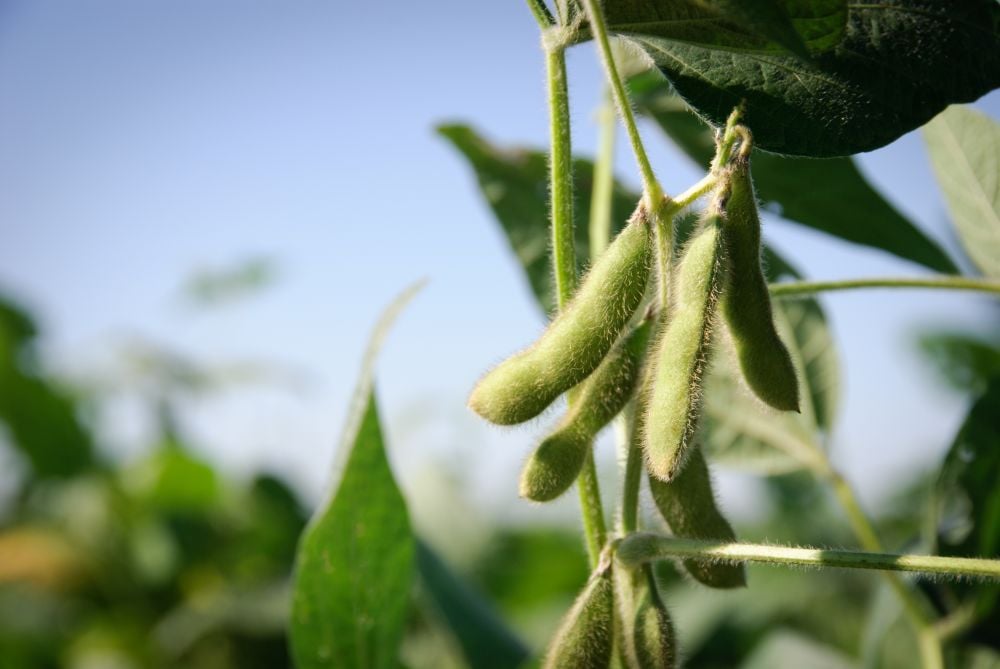
As this year’s project saw cover crops seeded into a harvested wheat crop, Molina suggested that a post-soybean harvest cover crop may be in the cards next time.
That “kind of brings a completely different setup,” the researcher noted.
Molina was encouraged by the success of the turnips in the cover crop mix and felt these had the most potential.