


Glacier FarmMedia — The United States grain and oilseed markets are currently dominated by two factors, said Ryan Ettner, broker with Allendale Inc. in McHenry, Ill. Ettner said those are the absence of a trade deal with China and the ongoing United States government shutdown.
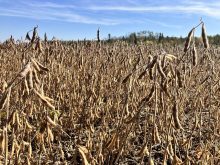
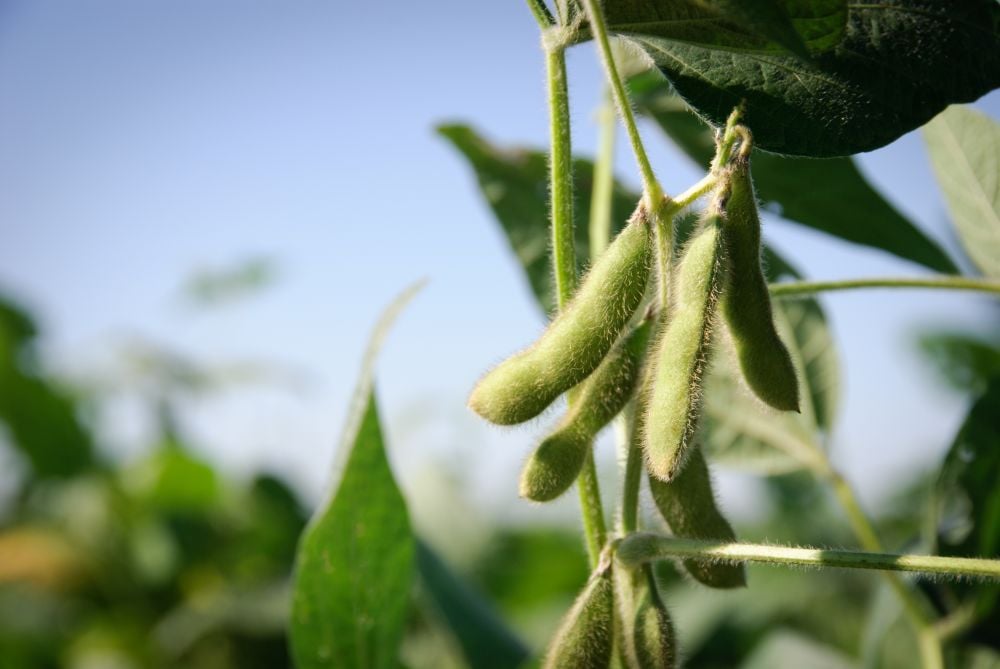
So far into the 2025/26 marketing year, China has yet to purchase any soybeans from the U.S. and Ettner said fall is a critical time for those export sales to be made.
“The longer we wait to get a trade deal the loss of the grand total of beans the trade expects (China) will buy,” he said, noting the impact on U.S. soybean growers. “Each day that goes by hurts a little bit more.”
Read Also

‘Significant’ Canadian GDP slide expected in 2026, FCC says
Farm Credit Canada expects continued trade woes and mortgage renewals to weigh on Canada’s economic growth in 2026
While China has turned to soybean powerhouse Brazil to fill the void created by not buying from the U.S., Ettner believes the South American country cannot entirely fill China’s needs. The broker said China stopped acquiring U.S. soybeans during President Donald Trump’s first term and then resumed those purchases once an agreement was reached.
Ettner said the multi-billion-dollar aid package for soybean growers the Trump administration has promised will only be a short-term solution.
“Fundamentally, that (deal) isn’t going to make a big difference to the market. I think it will be bullish short term because it will give producers the ability to hold off making cash sales,” Ettner said, expecting the aid package could see them wait up to three months for a U.S./China deal.
As for the government shutdown, Ettner said U.S. corn was seeing great export numbers until the Department of Agriculture stopped publishing its export sales reports.
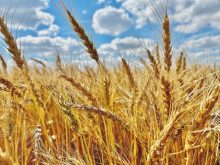
“Now you don’t get any reports, you don’t know,” he said, adding exports sales would be the primary focus of U.S. wheat. But without those reports, wheat has drifted lower.
Another factor affecting U.S. wheat is the dollar, Ettner said. He explained that when the U.S. Federal Reserve has cut its key interest rates, the greenback most often slips lower in value. However, should other countries’ central banks follow suit very quickly, that negates the pressure on the dollar, which is what happened with the Fed’s last cut.