Tariffs — or the lack thereof — were at the forefront of the North American grain and oilseed markets during the first week of February, with canola futures getting a boost from the last-minute pause to threatened United States tariffs on Canadian imports.
The canola market climbed above $650 per tonne for the first time since November, with the next upside target from a chart standpoint $20 to $30 per tonne higher. The U.S. is a major buyer of Canadian canola oil, meal and seed — and there had been concern that U.S. trade threats would hamper that business.
In the absence of a trade war, the fundamentals are also generally supportive for canola as supplies are tightening and both exports and the domestic crush continue to run at an unsustainable pace.
Read Also
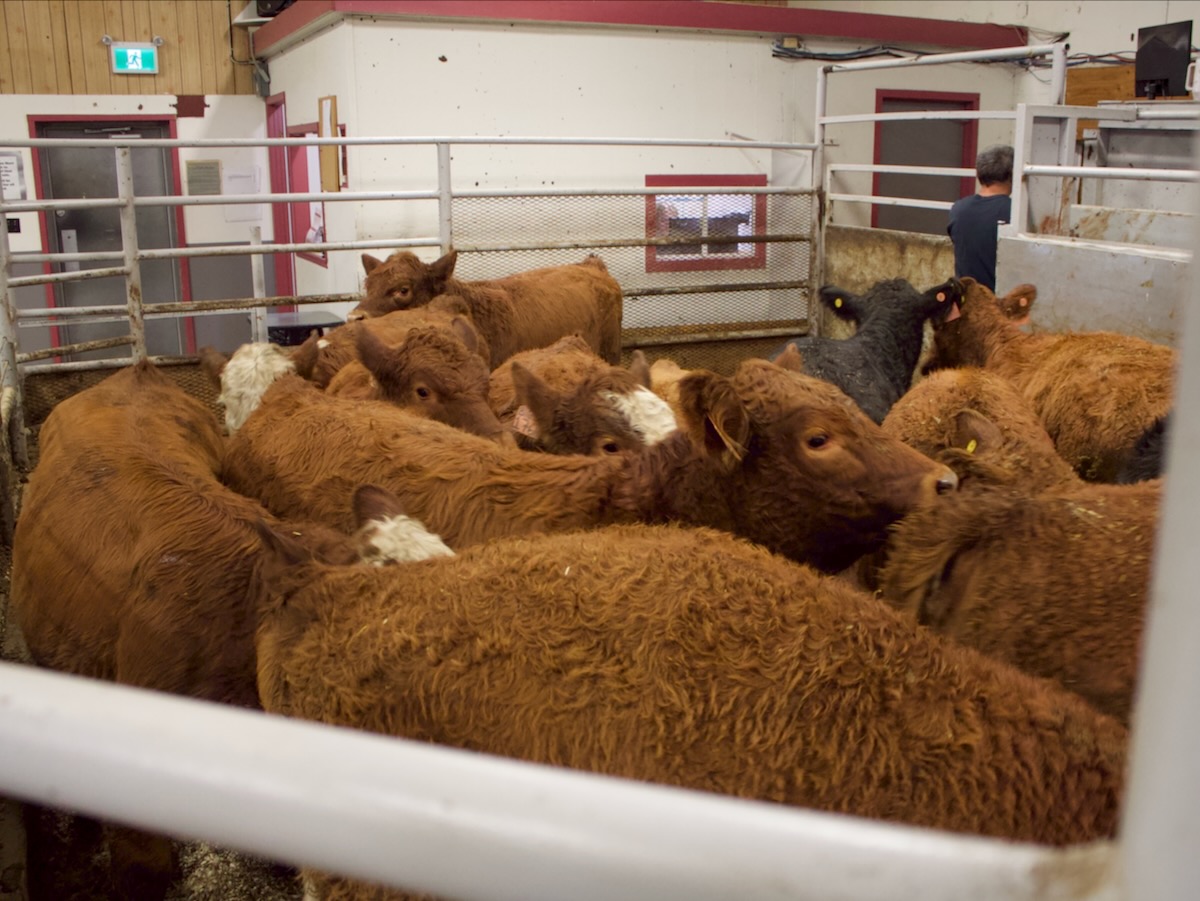
Manitoba cattle prices April 14
Here are the prices Manitoba beef and other cattle producers could expect to take home from the sale of their livestock April 8-14, 2026.
Statistics Canada reported canola stocks in the country as of Dec. 31 at 11.382 million tonnes, which compares with 14.087 million at the same time a year ago and marks the tightest level for this time of year since the drought year in 2021.
The tighter stocks are supportive and the U.S. tariffs on Canadian imports may have been postponed, but the threat hasn’t gone away and many market participants were uncertain what to make of the general chaos brought on by the Trump administration. On top of possible tariffs, the entire U.S. biofuel sector may also be in the U.S. president’s crosshairs.
Canadian canola has seen spillover support from increased demand from U.S. biodiesel producers over the years. However, renewable fuels could easily be on the new administration’s chopping block despite broad support from farmers.
While the trade and biofuel worries may be bearish, Chicago soybeans and corn both hit multi-month highs of their own in the early days of February. Mexico is a major importer of U.S. corn, and the pause on a trade war between those two countries was supportive. Mexico also announced it would repeal its restrictions on genetically modified corn — opening the door for more business.
Dryness concerns in Argentina added to the general firmness in soybeans, although heightened tensions with China and the advancing Brazilian harvest tempered the upside.
U.S. President Donald Trump increased tariffs on Chinese imports by 10 per cent, and China retaliated in kind by announcing its own tariffs and bringing a complaint to the World Trade Organization. However, China’s measures did not include soybeans or corn for the time being.
The general uncertainty is not likely going away any time soon and will keep markets on edge for the foreseeable future.