Canadian grain handler Viterra Inc. confirmed plans April 20 to build a canola-crushing plant in South China with state-owned company Guangxi Beibu Gulf International Port Group Co.
The plant will be located at the Port of Fangchenggang in the province of Guangxi and will crush about 680,000 tonnes annually, Viterra said.
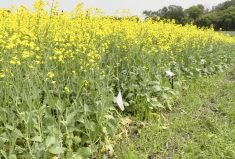
The move comes as China is poised to halt all imports of Canadian canola with the fungal disease blackleg as of Aug. 1. China imposed restrictions on blackleg canola from Canada and Australia last year but allowed Canadian shipments to enter ports away from rapeseed-growing areas for the rest of the 2009-10 crop year.
Read Also

Producers must tread carefully when food fads come calling
Canada’s farmers can’t afford to farm the fads but would still do well to observe changing consumer behaviours for common threads throughout, Laura Rance writes.
Building a crusher in China looks like a hedge for Viterra against the restrictions staying in place long term, said one Canadian agriculture analyst.
“Strategically, they’re trying to set themselves up so that if this continues, it won’t hinder them and may give them an advantage” shipping Canadian canola, said Brian Wittal, owner of Pro Com Marketing in Calgary, Alberta.
It’s more likely that Viterra is simply building the plant to get established in China, Canadian agriculture analyst Don Roberts of Canolainsight.comsaid.
The new plant fits with Viterra’s strategy of expanding processing into key markets such as China, where future demand for food is forecast to rise substantially, said Viterra President and chief executive Mayo Schmidt.
Viterra, which will own 49 per cent of the plant, will invest $20 million to $25 million. Guangxi Beibu Gulf International Port Group will own 51 per cent.