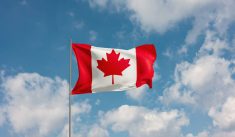
At the end of February, Bill C-282 sat in the Canadian Senate on the precipice of becoming law.
It seeks to bestow immunity upon supply management from concessions in any potential future trade negotiations. In essence, it risks holding all other economic sectors hostage solely to safeguard the interests of a small, privileged group of farmers.
This is far from an optimal scenario, and the implications are bad news for Canadians.
Read Also
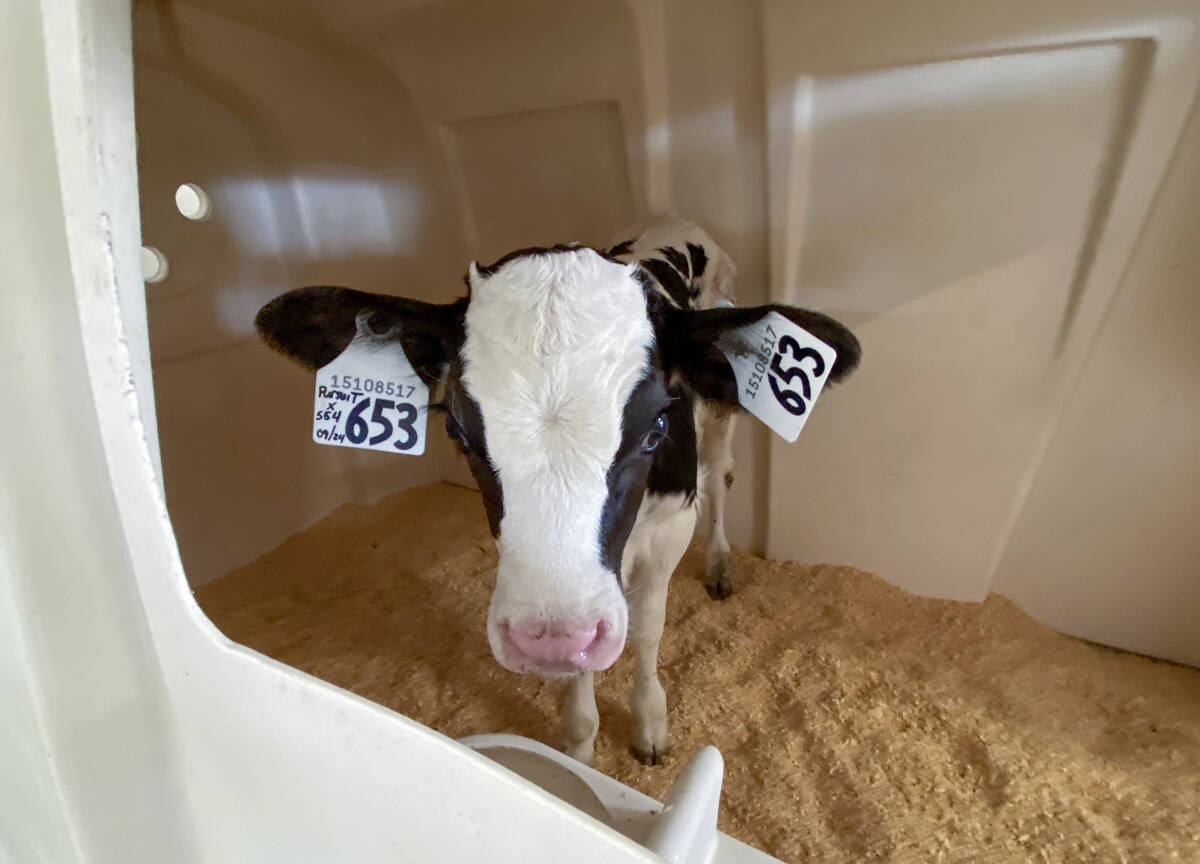
Plan toward better calves for healthier, more profitable dairy herds
Improved colostrum management, nutrition, and prevention-first health calf programs are boosting herd profitability, efficiency, and milk production.
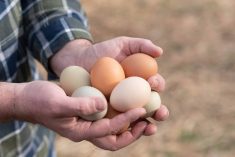
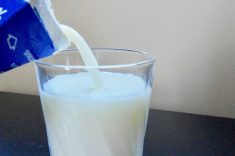
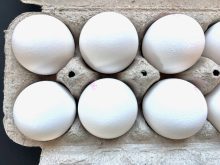
Supply management, which governs poultry, egg and dairy production in Canada, has traditionally enabled us to fulfil our domestic needs. The model has been in place for more than five decades, ostensibly to shield family farms from economic volatility.
Despite the implementation of supply management, Canada has witnessed a comparable decline in the number of farms as the United States, where a national supply management scheme does not exist. Supply management has failed to preserve much of anything beyond enriching select agricultural sectors.
Dairy farmers now possess quotas valued at over $25 billion while dairy processors are burdened with the highest-priced industrial milk in the Western world.
The emergence of Bill C-282 is no surprise. Proponents of supply management exert considerable influence over politicians across party lines.
While Canada’s agricultural sector accounts for approximately seven per cent of our GDP, supply-managed industries represent a small fraction of that figure. Supply-managed farms represent about five per cent of all farms in Canada.
Forging trade agreements with key partners such as India, China and the United Kingdom is imperative not only for sectors like automotive, pharmaceuticals and biotechnology, but for the vast majority of farms in livestock and grains to thrive and contribute to global welfare and prosperity.
It is essential to recognize that Canada has much more to offer than merely self-sufficiency in food production.
Over time, the marketing boards overseeing quotas for farmers have amassed significant power and have proven themselves politically aggressive. They vehemently oppose any challenges to the existing system. Despite occasional resistance, no major political party has dared question the disproportionate protection afforded to one sector over others.
Strengthening our supply-managed sectors necessitates embracing competition, which can only serve to enhance their resilience and competitiveness.
A recent example of the consequences of protectionism is the United Kingdom’s decision to walk away from trade negotiations with Canada due to disagreements over access to our dairy market. Not only do many Canadians appreciate the quality of British cheese, but increased competition in the dairy section would drive prices down, a welcome relief given current economic challenges.
In the past decade, Canada has ratified trade agreements such as CUSMA, CETA and CPTPP, all of which entailed breaches in our supply management regime. Claims of losses resulting from market access concessions are often unfounded. Farmer boards simply adjust quotas when producers exit the industry.
Bill C-282 represents a misguided initiative driven by farmer boards that capitalize on the ignorance of urban residents and politicians regarding rural realities.
Embracing further protectionism will harm consumers who yearn for more competition at the grocery store. It will also impede the growth opportunities of various agricultural sectors striving to compete globally and stifle the expansion prospects of non-agricultural sectors that seek greater market access.