
A Saskatchewan biomass company says it is buying flax straw in the Gilbert Plains area this fall for use in pellets.
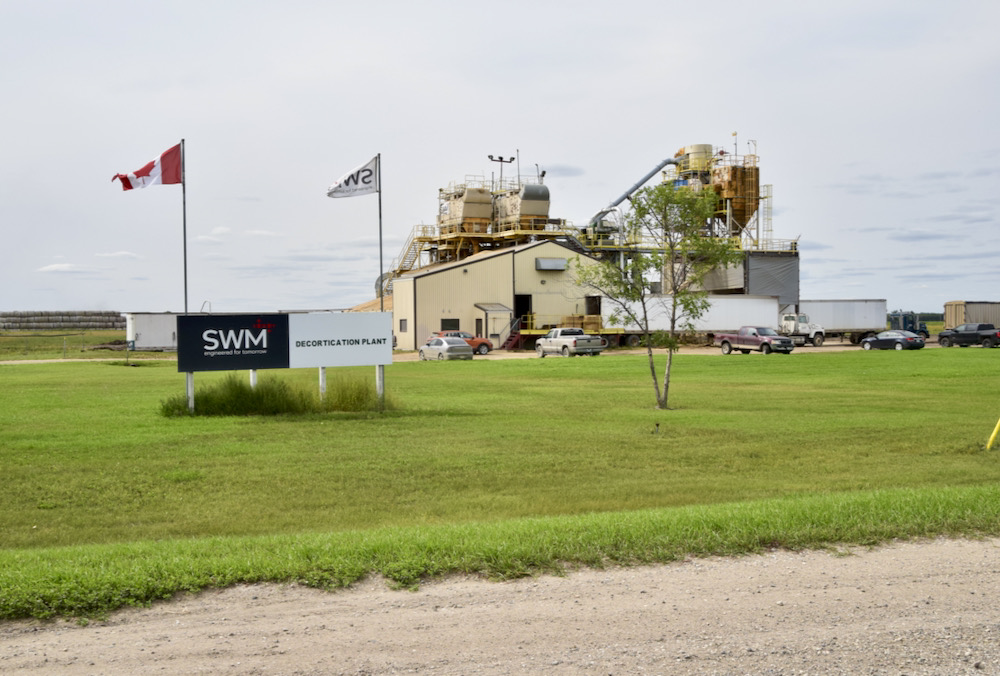
Prairie Clean Energy, a Regina-based company, has leased time in a Gilbert Plains plant for its initial commercial run of flax pellets, it said in an announcement posted to the Canadian Biomass website.
The company will purchase 3,000 to 4,000 tonnes of straw within a 75-kilometre radius of Gilbert Plains, company president and CEO Mark Cooper told the Co-operator.
Read Also
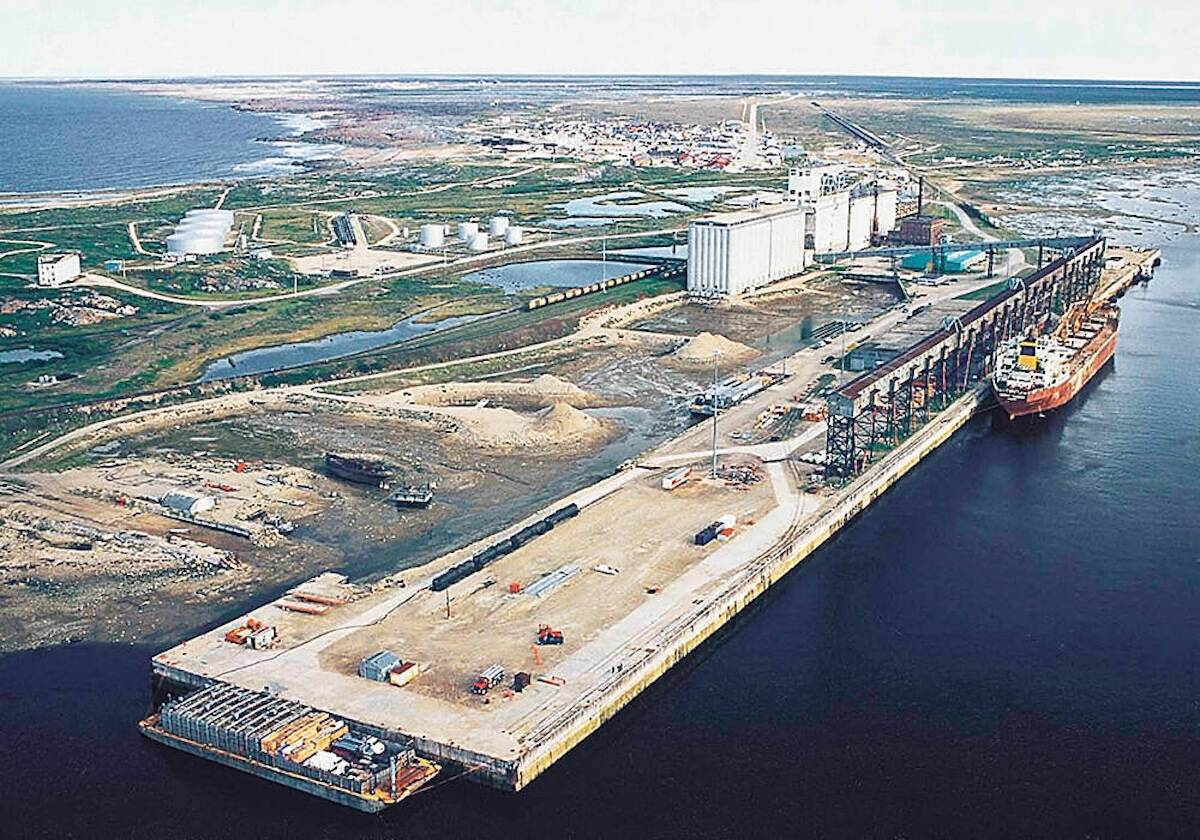
Manitoba, Ottawa sign deal to fast-track projects like Port of Churchill expansion
Manitoba and Ottawa have signed a regulatory streamlining agreement that names the Port of Churchill expansion as a priority infrastructure project.
It has a one-year arrangement with the facility as it waits for its Regina facility to come online, Cooper said, but there’s possibility for extension.
Since Schweitzer Mauduit closed its flax straw processing facility near Carman, producers have had few options to dispose of flax straw. It is generally considered useless for animal feed or bedding and is often burned.
Selling flax straw wasn’t much of a revenue stream, said Dean Buchanan, a member of the Manitoba Crop Alliance’s flax committee.
“The little bit of money they paid you was just, like, thank goodness we got rid of it,” Buchanan said.
He farms near Crystal City and said he values flax as a long-term part of his crop rotation. Since losing the option to sell to Schweitzer Mauduit, he’s turned to chopping the straw and sowing straight into it.
“So far it’s worked OK,” he said.
However, having options to sell the straw would make flax a more attractive crop to growers, he added.
While Prairie Clean’s long-term focus lies with the energy market, Cooper said it has found a lucrative U.S. market for flax pellets as horse bedding, so straw purchased around Gilbert Plains will be used for that purpose.
“Through our research, we discovered that flax pellets make excellent animal bedding because they are low dust, highly absorbent, compostable, and low ammonia producing … They are a superior animal bedding product for horses, cows and small animals,” he said in the Aug. 8 news release.
Earlier this summer, the company announced it had received a $1.1 million grant from the Mining Innovation Commercialization Accelerator Network for its greenhouse gas emissions reduction project, which would use prairie biomass to generate energy and support the potash industry in lowering greenhouse gas emissions.
Prairie Clean Energy also said it had received a $180,000 grant in the spring from Innovation Saskatchewan to continue research and preparation for the 2024 opening of its Regina facility.