
Wade Barnes and other former Farmers Edge brass are back in the business with an agronomy firm focusing on precision nutrient management.
“I believe that you’re going to see a significant move towards this in agriculture in the next one to three years,” Barnes said.
Why it matters: Wade Barnes has started another company after stepping down as the CEO of Farmers Edge in 2022.
Read Also
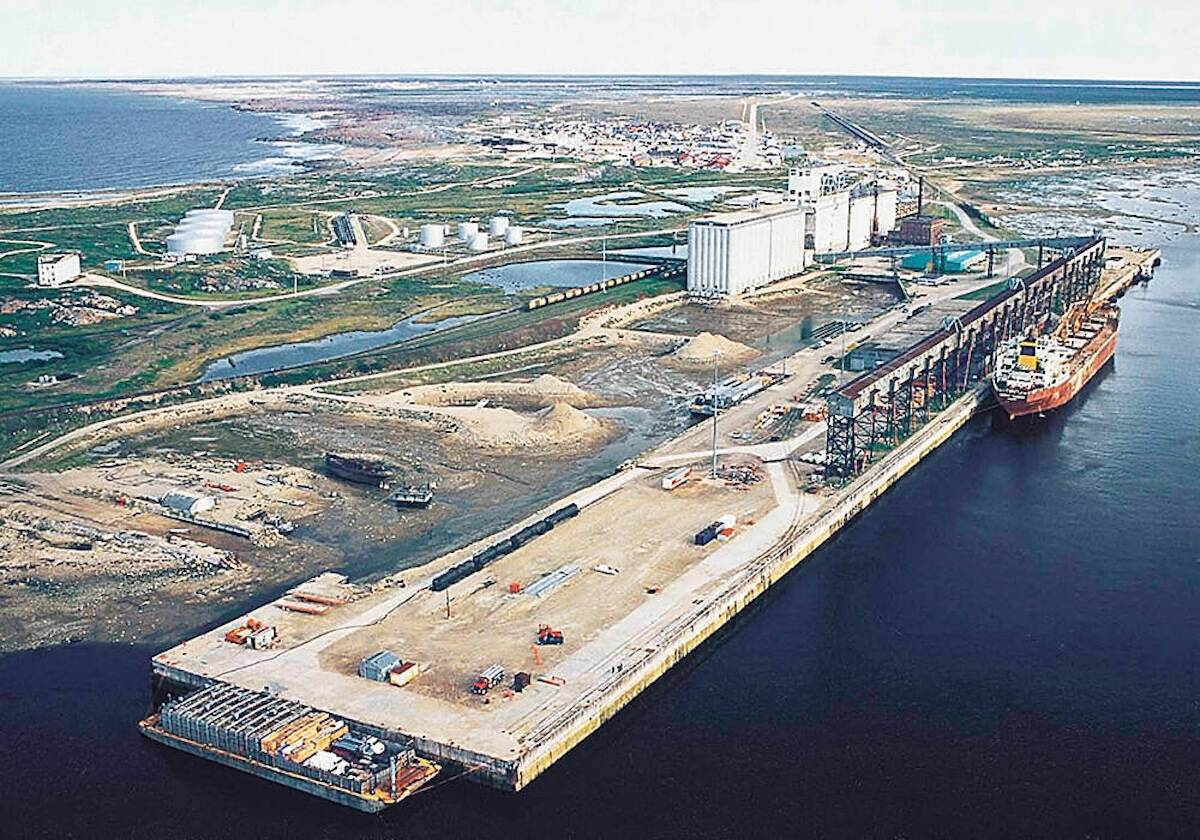
Manitoba, Ottawa sign deal to fast-track projects like Port of Churchill expansion
Manitoba and Ottawa have signed a regulatory streamlining agreement that names the Port of Churchill expansion as a priority infrastructure project.
Ronin Agronomy is the name of Barnes’s new firm, founded by a group he said is composed of former executives and other associates from his previous company.
The move comes a bit over a year after Barnes stepped down as CEO of Farmers Edge, the Manitoba-based agronomy and ag technology company that he co-founded in 2005. His resignation followed poor financial performance by the company, which went public in 2021.
Since 2021, Farmers Edge has seen its revenue slide, and a decrease in acres enrolled in its digital agronomy program, financial reports show.
The company was also the subject of complaints around its Smart Carbon program, which recruited farmers to use their digital farm data to generate carbon credits. This year, several farmers told the Co-operator they were not being paid for the credits they’d generated. Farmers Edge representatives said this was because they’d been unable to sell the credits and blamed the issue on weak demand in the carbon credit market.
Ronin Agronomy will head in a different direction, Barnes said. It won’t develop its own technology, opting rather to “stitch things together” from existing technology.
This will include partnerships with a European sensor company. Barnes said they will be announcing that relationship in coming weeks, as well as another partnership that focuses on carbon intensity.
They’re also looking at soil scanning technology, which can give insights on field metrics like salinity, texture and soil compaction, he said.
Growing demand
Barnes predicted that demand for intensive, precision nutrient management (and, therefore, agronomic help in that category) will rise in coming years. Ottawa is pressuring farmers to reduce emissions from fertilizer, but grain and food companies are also concerned with emissions intensity.
He drew attention to a partnership between Bunge and Nutrien Ag Solutions.
The companies pledged to “support U.S. farmers in the implementation of sustainable farming practices that will help increase the development of lower carbon products,” according to a May news release.
“It’s kind of happening everywhere,” Barnes said. “It’s not just the government pushing. It’s the buyers of the grain that’s pushing this too.”
Ronin Agronomy is officially open for business, with new clients being taken on for fall. Those clients are being sold on the company’s current offerings: zone management services, zone soil sampling and prescription maps.
Barnes also said he plans to launch a second company “down the road,” focusing on developing a platform to turn farm data into a carbon intensity ‘score,’ that he says could add a premium to a farmer’s harvest.
Carbon intensity refers to the amount of carbon dioxide emitted to produce a unit of product.
Barnes predicted that, as companies become more concerned about the environmental impact of products in their supply chain, they may want to know the carbon intensity score of materials like grain and may even purchase based on intensity score.