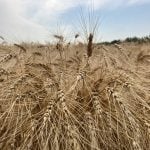
Brazil has become the second country in the world, after Argentina, to approve the cultivation of genetically modified wheat, following a decision by the nation’s biosecurity agency CTNbio.
The approval request was made by plant genetics company Tropical Melhoramento e Genetica, a partner in Brazil of Argentina’s Bioceres, which has developed a variety of drought-resistant GM wheat known as HB4.
In a statement, Bioceres confirmed Brazil had concluded a safety evaluation of HB4, providing full approval for its commercialization and cultivation in the country.
Read Also
In defence of eating oats
Forget any social media fear mongering about oats — Oats are a healthy, nutritious, Prairie-grown option to add more whole grains to your diet.
Brazil has been growing domestic wheat using conventional plants adapted to local climate conditions, but still relies on supplier Argentina for sizeable imports.
Brazil plants about three million hectares (7.4 million acres) with wheat, mostly in southern states like Rio Grande do Sul and Parana.
Drought-resistant wheat may appeal to farmers in that region, where crops such as corn and soybeans have recently faced water stress.
Under severe drought conditions, Bioceres has said its GM wheat “showed higher yields than conventional varieties across all environments, with an average 43 per cent yield improvement in targeted environments.”
In November 2021, Brazil became the first country in the world to allow imports of flour made with GM wheat.
That decision spurred a global discussion about GM wheat, as prices rose and concerns grew that more severe weather could threaten food security.
According to Bioceres, its HB4 wheat is also approved for food and feed use in the United States, Colombia, New Zealand, Australia, South Africa and Nigeria, and for feed use in Indonesia.
This year, Brazil is expected to harvest 10.5 million tonnes of the cereal, according to the government’s food supply and statistics agency Conab, which pegged domestic wheat consumption at 12.4 million tonnes.