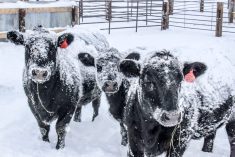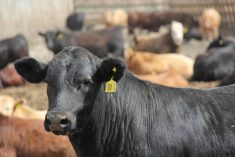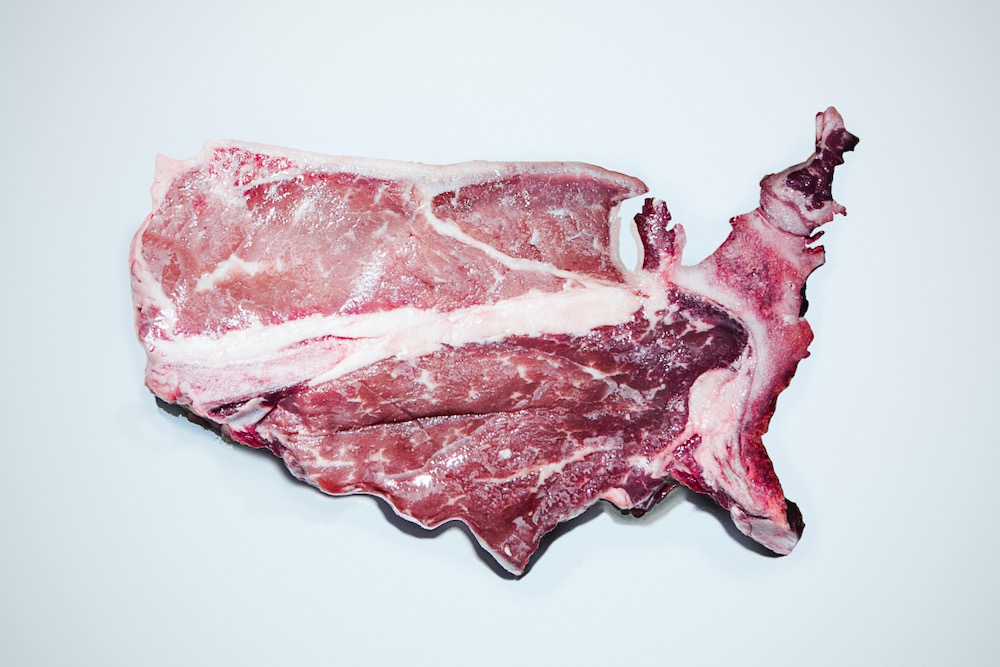
Chicago | Reuters — The U.S. beef cow herd dropped to its lowest level since 1962, U.S. Department of Agriculture data showed on Tuesday, after a severe drought raised costs for livestock feed.
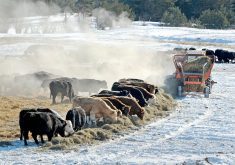
Ranchers increasingly sent cows to slaughter last year, instead of keeping them to reproduce, as dry weather reduced the amount of pasture available for grazing in the western U.S. and on the Plains. At the same time, a tight labour market limited slaughtering at meatpacking plants.
Declining supplies of cattle are expected to keep meat prices high for consumers, analysts said.
Read Also
ICE Weekly: Trade waits for canola to break out
Phil Speiss of RBC Dominion Securities in Winnipeg believes canola could enter a bearish downturn, but the war in Iran and volatile oil prices are complicating matters.
“We’re going to be dealing with some sharp beef-supply declines for the next three years straight and therefore higher beef prices,” said Rich Nelson, chief strategist for commodity broker Allendale. “There will be no help in the coming years for the consumer.”
There were 28.9 million beef cows as of Jan. 1, down 3.6 per cent from a year earlier, USDA said. It was the smallest herd size for that date in 61 years, according to U.S. government data.
Overall the total number of cattle and calves across the country fell three per cent from a year ago to 89.3 million, the lowest since 2015, government data show.
A significant shift toward wetter weather will be needed to break the trend of liquidating cow herds, Rabobank said. Last year, nearly 13.4 per cent of the cow herd was culled — a record, according to the firm.
Cattle producers will not make “meaningful progress” in rebuilding the U.S. herd until 2025 at the earliest, Rabobank said. Meanwhile, restaurants, retailers and importers will increasingly compete for limited supplies of U.S. beef, the firm added.
— Tom Polansek reports on agriculture and ag commodities for Reuters from Chicago.