Australia’s decision to allow beef from countries with “controlled risk” status for BSE may be symbolically important for Canada.
Australia’s Agriculture and Health ministries announced Oct. 20 that the country will “adjust” its food import policies for beef and beef products starting March 1, 2010.
Countries that have had BSE in their herds but want to export to Australia can do so under the new policy, but first must undergo “a rigorous risk assessment” by Food Standards Australia New Zealand, the ministries said.
Read Also
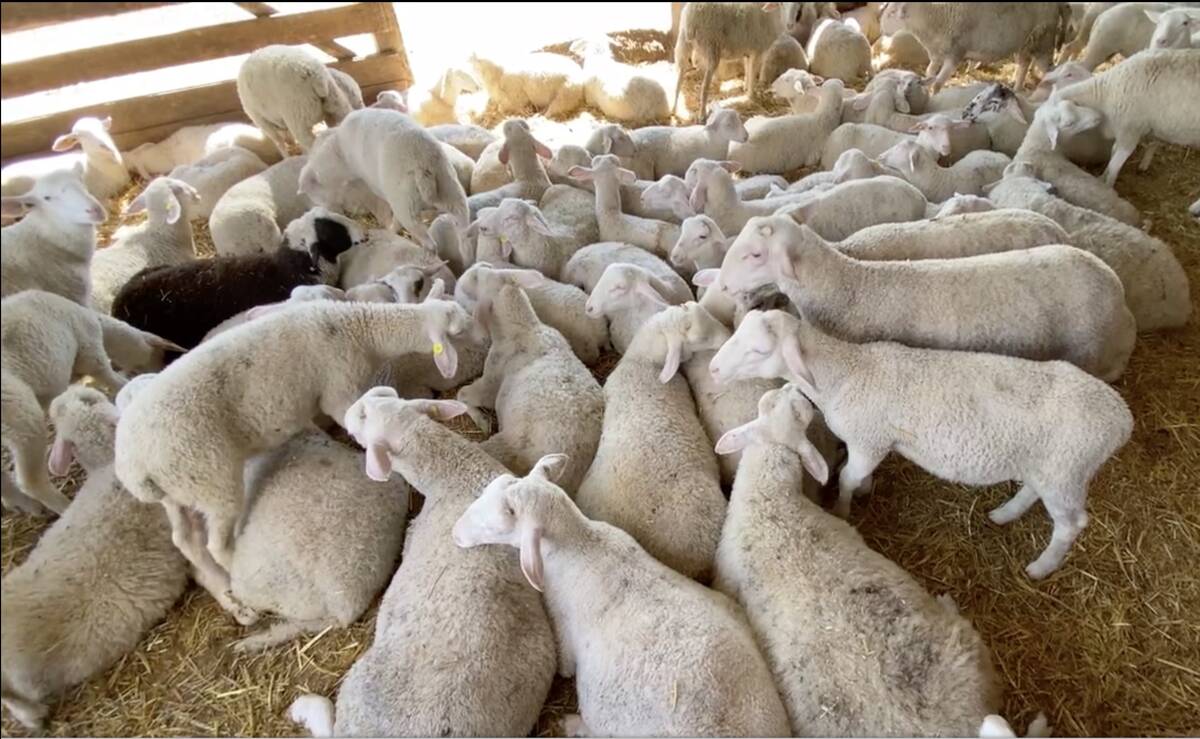
Manitoba lamb price high on tight supply
Manitoba lamb prices in 2026 rise sharply from last summer’s dip, not only from the Easter upswing, but decent demand and tight supply.
The country has had “blanket measures” in place since 2001 to immediately block beef from any country reporting BSE. Those measures have applied to Canadian beef since 2003.
John Masswohl, director of governmental and international relations for the Canadian Cattlemen’s Association, noted the move is important for Australia’s domestic beef industry. Under World Trade Organization obligations, even Australian beef would be pulled from store shelves if Australia were to find a BSE-positive cow.
From Canada’s point of view, “we’ve felt it’s been very important for Australia to take this step” in terms of its symbolism for Canada’s other trading partners, Masswohl said in an interview.
Specifically, he said, if Australia recognizes controlled risk, “what does that say to the Koreas, the Japans and other countries we’ve been trying to get to change (their policies)?”