
School principals and superintendents across the province have received updated H1N1 influenza information about infection prevention, vaccination and absenteeism, along with public health advice for ill children or staff, Health Minister Theresa Oswald and Education, Citizenship and Youth Minister Peter Bjornson announced Aug. 17.
“Manitoba’s health-care experts know that parents, students and teachers have questions about H1N1 and the impact it might have in schools this fall,” said Oswald. “We have responded with clear information on what the province is doing to prepare and how schools, families and all Manitobans can do their part.”
Read Also
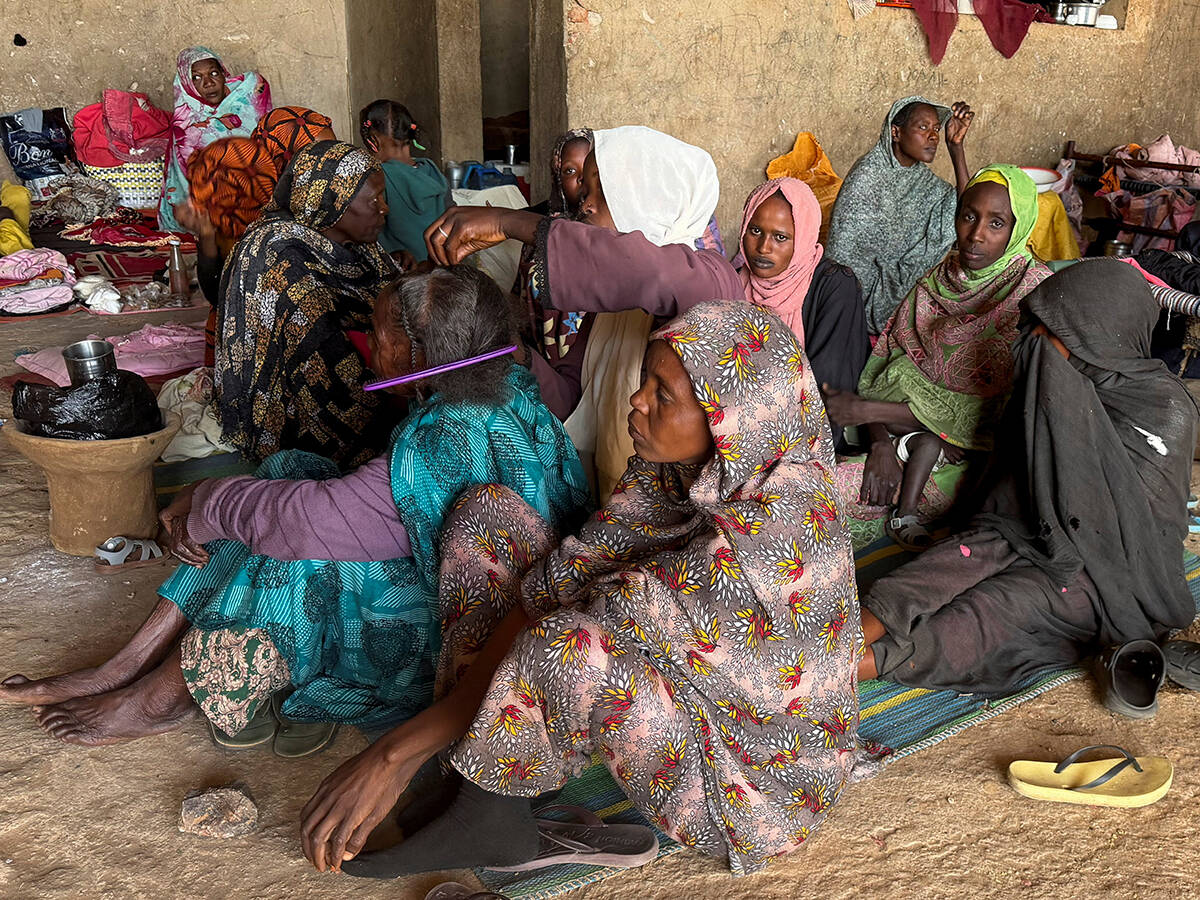
Global humanitarian aid slashed by one-third
Humanitarian aid around the world was cut by a third in 2025 and Canada is one of the culprits.
Schools are asked to continue watching for unusual levels of absenteeism and ensure that information about effective infection-control methods is widely available. Parents are encouraged to develop backup child-care plans in case their child becomes ill and is unable to attend school. At this time, public-health officials are not recommending school closures to limit the spread of H1N1.
“Schools across the province have developed plans to address H1N1 this fall,” said Bjornson. “These materials will help schools implement their plans while supporting students, their families and staff by sharing information they can use to reduce their risk of H1N1.”
All Manitobans are encouraged to use routine precautionary measures at school, at work and at home to prevent infections:
Stay home if you are ill and limit unnecessary contact with others;
Cover a cough or sneeze by coughing or sneezing into your elbow or sleeve or using a tissue to cover your nose and mouth;
Place used tissues in the garbage;
Wash your hands often with soap and water, especially after you cough or sneeze;
When soap and water are unavailable, hand sanitizers may be an acceptable alternative if hands are not visibly soiled;
Limit touching of your eyes, nose or mouth;
Contact your health-care provider or call Health Links-Info Santé at 788-8200 or 1-888-315-9257 (toll free) if you are concerned that you may need advice or care;
Obtain prompt care if your symptoms are severe or worsening (i. e. shortness of breath, dehydration, worsening fever, cough or weakness);
The updated information for schools is available at www.manitoba.ca/flu.


![“It can sit dormant [on] equipment for years and years until hive stressors and hive conditions are right for it to infect the colony.” – Osee Podolsky, Canadian Honey Council.](https://static.manitobacooperator.ca/wp-content/uploads/2023/10/26104651/grafvision_GettyImages-178850019_cmyk-235x157.jpg)