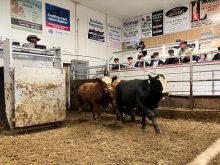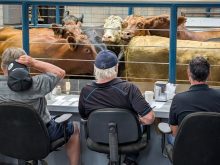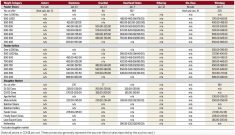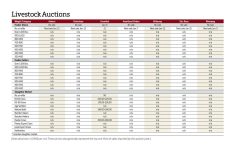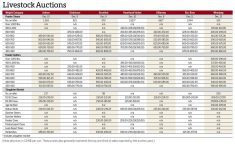


Activity at Manitoba’s cattle auction yards is slowing down ahead of the summer, with the Victoria Day weekend also limiting some of the activity during the week ended May 24. Prices held reasonably steady for the most part, although outside market influences may keep some caution in the Canadian cattle sector over the next few months.
“There is still a pile of uncertainty out there,” said market analyst Brian Perillat, of CanFax, pointing to Canada’s trade dispute with China and other global economic issues.
Activity in U.S. grain and livestock futures also brought an air of uncertainty, with recent strength in Chicago Board of Trade corn futures a possible bearish influence for feeder cattle.
Read Also
EU’s pesticide reciprocity could disrupt trade
The Canada Grains Council says the EU’s pesticide reciprocity rules could seriously damage trade to one of Canada’s top diversification markets.
The latest Cattle on Feed numbers out of the U.S. Department of Agriculture showed 11.8 million head as of May 1, two per cent higher than the same point the previous year and the largest for that date since data started being compiled in 1996. Those large numbers could lead to more downside in U.S. cattle prices, which would spill into Canada.
“Cattle are caught up in the crosswinds of it all,” Perillat said, noting buyers were less willing to gamble on the market.
African swine fever in China was yet another factor to watch as “China is sucking up protein from around the globe,” according to Perillat. China is a growing market for beef, as Canada’s third-largest export customer in the first quarter.
While the current trade dispute raises some more uncertainty on that front, Perillat said a lot of beef from other countries that would normally come to North America is also going to China instead – which supports domestic prices.
Dryness in parts of the Canadian Prairies was another unknown factor Perillat had his eyes on. With pastures in need of moisture, overgrazing could cause problems and also lead to some cow-calf backgrounders selling to feedlots earlier than normal during the summer.
Rick Gabrielle of Heartland Livestock Services at Virden said shower activity on Friday was welcomed and good rain would be needed to put the cattle sector at ease.
“I’m hoping that there will be more rain, and everybody will be in a better mood,” he said.
From a pricing standpoint, “on the feeder cattle we had this week, I’d say it was better than the week prior for sure,” according to Gabrielle. He added that the best cull cows were also firm.