A warming climate is causing weather woes to hit both harder and further.
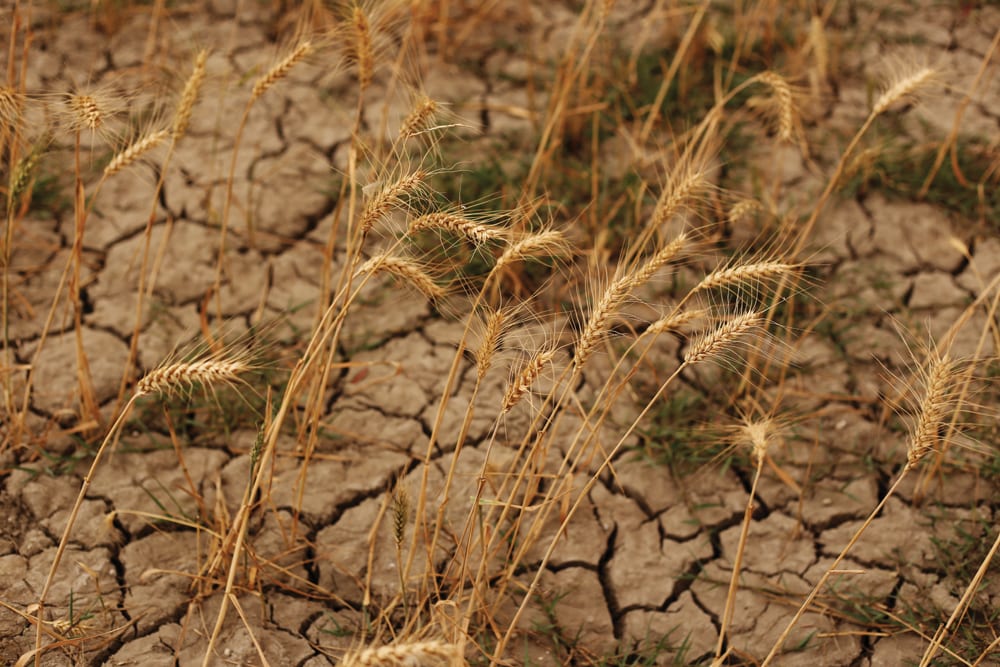
Stanford University scientists say hot and dry conditions are now regularly hitting multiple regions at the same time. These crop yield shrinking, food price destabilizing and environmentally catastrophic conditions are now twice as likely.
Climate change has doubled the odds that a region will suffer a year that is both warm and dry compared to the average for that place during the middle of the 20th century. It’s also becoming more likely that dry and severely warm conditions will hit key agricultural regions in the same year, potentially making it harder for surpluses in one location to make up for low yields in another.
Read Also
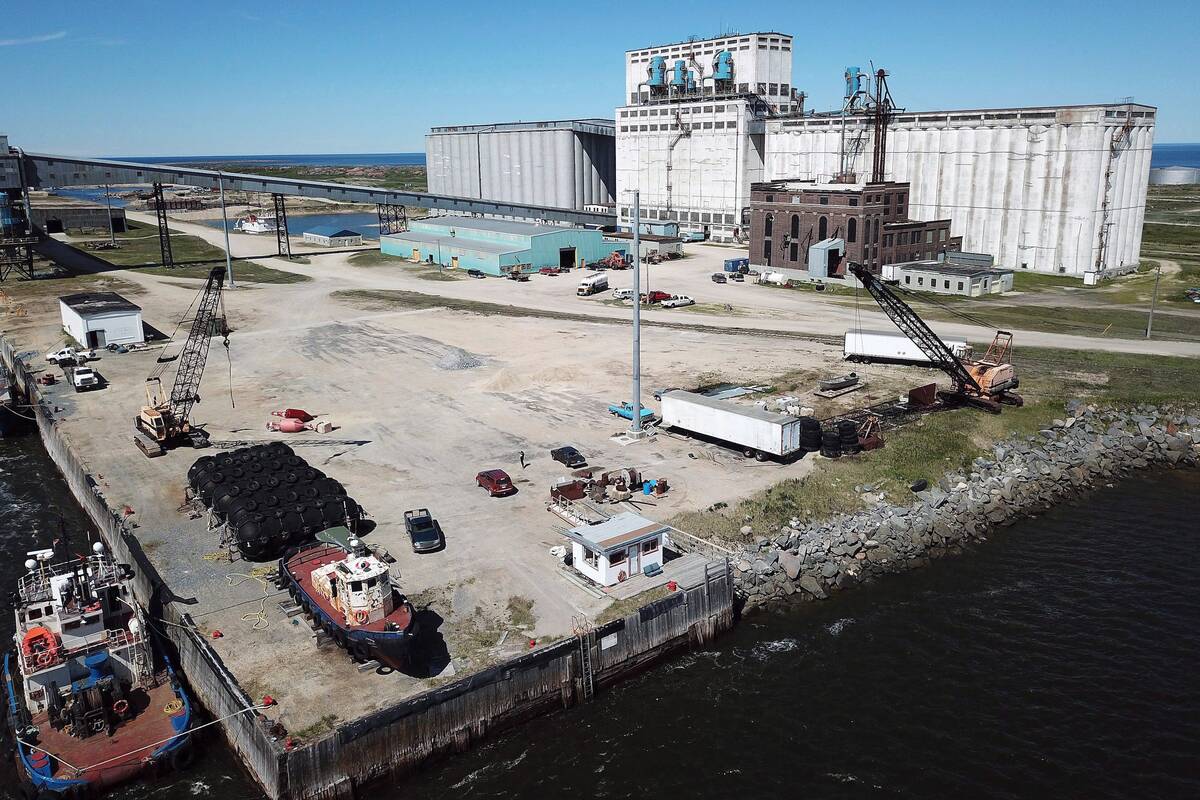
Making way for Port of Churchill expansion
Rail car limits, climate research and marine planning will determine if the Port of Churchill actually can grow beyond its four-month shipping season into year-round trade.
“When we look in the historical data at the key crop and pasture regions, we find that before anthropogenic climate change, there were very low odds that any two regions would experience those really severe conditions simultaneously,” said climate scientist Noah Diffenbaugh, senior author of the study published Nov. 28 in Science Advances.
“The global marketplace provides a hedge against localized extremes, but we’re already seeing an erosion of that climate buffer as extremes have increased in response to global warming,” said Diffenbaugh.
The new study points to a future in which multiple regions are at risk of experiencing low crop yields simultaneously. That’s because, while some crops can thrive in a warm growing season, others — particularly crops like wheat, rice, corn and soybeans — grow and mature too quickly when temperatures rise, consecutive dry days pile up and warmth persists overnight.