Oil markets retreat from peak but stay high; soy, canola futures boosted
The chances of crude oil prices continuing to skyrocket have diminished an analyst said earlier this week.
Phil Flynn is a senior analyst at Price Futures Group in Chicago. He based his assessment on the assumption that Iran’s military capabilities were declining quickly.
Last weekend, crude oil futures vaulted to nearly US$120 dollars per barrel. However, by March 9, those increased had moderated somewhat.
Flynn said the markets were coming back down based on the military successes of Israel and the United States. Talk about releasing oil from global strategic reserves also played into softening markets.
On Thursday, oil prices rose by eight per cent as Iran stepped up attacks on oil and transport facilities
and vowed to keep the Strait of Hormuz closed. However, Brent and Texas Intermediate crude futures hovered below US$100 dollars per barrel.
Chicago soybean futures rallied to the highest level since 2024 on March 12. Higher crude prices can support soybeans as soyoil is often used to produce biodiesel. The May canola contract hit a session high of C$758.40 on March 9. It sat around C$734 on Thursday afternoon.
U.S. ambassador says U.S. faces headwinds in CUSMA renewal
U.S. ambassador to Canada Peter Hoekstra said Washington wants to renew the Canada-U.S.-Mexico trade deal but faces resistance from Canada.
Speaking at a crop convention in Toronto, he cited a lack of “substantive” talks with Canada since October. The Canadian minister responsible for Canada-U.S. trade met with U.S. Trade Representative Jamieson Greer last week.
Hoekstra said Canada should expect some amount of tariff to gain access to the U.S. market,
and it should make a case for why it is beneficial for the U.S. to do business with Canada at the lowest tariff rate.
Canada’s canola sector, meanwhile, is keeping a close eye on the upcoming CUSMA review.
In 2025, 78 per cent of canola exports went to the U.S. and Canadian canola crushers also depend on the U.S. for sales of canola meal.
Farm groups on both sides of the border have expressed support for CUSMA, said Brittany Wood, senior manager for transportation and trade policy with the Canadian Canola Growers Association. There’s also established supply chains between canola crushers in western Canada and canola oil users in the U.S.
Canola oil is the number two edible oil in the U.S. market according to the Canola Council. There’s also demand from the U.S. biofuel industry.
If exports were disrupted, it would be hard to replace the American market, though Wood noted domestic consumption has increased to 1.6 million tonnes in 2025 compared to 1 million tonnes in 2021.
Canada’s cereal breeding system failing, report says
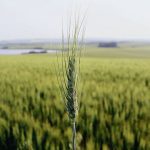
A public crop breeding system dominated by Agriculture Canada is no longer a viable way forward according to a recent report from the Canadian Wheat Research Coalition.
The report found that Ag Canada varieties are grown on about 80 per cent of all wheat fields. But, while the public approach has delivered strong varieties to farmers, that system has been weakening for the past 15 years.
It may soon be undermined further as the federal government closes research centres and lays off employees in its science and technology branch.
Without public research, smaller crops could fall through the cracks as there could be less incentive to invest in variety development.
For example, 20 years ago there were three flax breeding programs in Canada. Now there is one.
Flax acres on the Prairies have collapsed over the past 20 years. Other factors, like competition from the Black Sea region, contributed to that decline. However, a lack of research to improve yield didn’t help.
Industry leaders say private and public breeding must co-exist in the future, but what that looks like is still unknown.