(Lentils.ca)

More pulse acres expected to affect handling dynamics

CNS Canada –– Canadian grain handlers are curious how dynamics and timing in the rail freight sector will be managed in the upcoming season, given an expected boost in pulse crop production . For the moment, however, Prairie grain movement has dropped to seasonal lows. This year’s pulse area will likely be the largest on record, according to early estimates

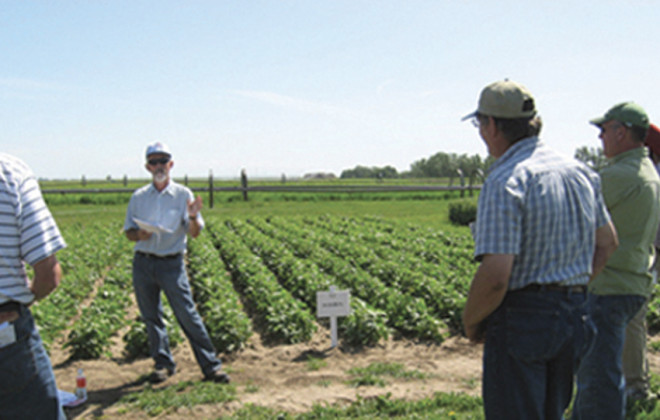
Soil scientist Frank Larney showcases his work at a field day, which is an open house for farmers and agriculture industry representatives to learn about the latest field research.

Pulses plus conservation practices equal healthy soils

Combining pulse crops and soil-friendly farming practices looks like a real winner

Pulse crops are playing an important role in building soil quality, especially when they’re combined with a host of soil-friendly farming techniques. That’s the finding of a 12-year study by researchers at Agriculture and Agri-Food Canada’s Lethbridge Research Centre, led by soil scientist Frank Larney. In the study, published in Agronomy Journal, Larney and company


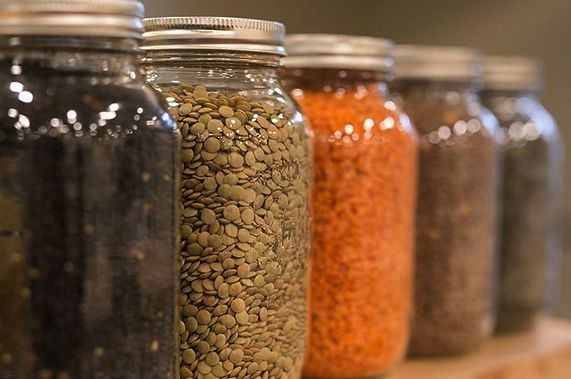
Red lentils. (PulseCanada.com)

Growers plan to plant pulses, but seeds scarce

CNS Canada — Farmers are eager to grow peas and lentils this year, but sourcing those seeds could prove difficult, according an industry group official. “We have heard that given the expected increase in area for both peas and lentils this year, the availability of good-quality seed could be a challenge,” said Carl Potts of

(FlaxCouncil.ca)

Potential for fewer flax acres seen this year

CNS Canada — While area seeded to flax in Canada has been increasing over the past four years, that upward momentum may halt in 2016-17. Flax’s cost of production is higher than many of its rivals and the growing lustre of pulse crops could cut into some acres, according to one industry watcher. “It’s too


Red lentils. (Pulse Canada photo)

India’s pulses under stress, need well-timed rain

CNS Canada –– India, the world’s largest producer of pulses, needs moisture before crops hit the reproductive cycle at the end of January, or existing losses will become amplified, a weather analyst says. The driest areas in India are important pulse-producing regions in northeastern Andhra Pradesh and neighbouring Uttar Pradesh, said Drew Lerner of World