
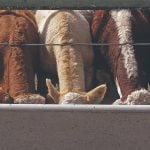
Feed horses properly in winter

Winter is in full force, and horse owners need to make sure they feed their animals appropriately for the conditions, according to North Dakota State University Extension Service equine specialist Carrie Hammer. Feeding good-quality hay in sufficient amounts is one of the best ways to help horses keep warm. Feed digestion produces heat, with the

Is it really necessary to blanket your horse?

Agrowing horse-keeping trend is to blanket horses throughout the winter. Most often the decision to blanket a horse is the result of an emotional response by a well-intentioned owner. It has also become acceptable to blanket due to certain lifestyles chosen for horses. However, it is important to recognize that in general the practice of


Guelph opens horse hospital

The University of Guelph celebrated the grand opening June 7 of a new specialized health-care facility for equine athletes. The Equine Sports Medicine and Reproduction Centre (ESMRC) is focused on the quality of life and performance of horses through health care, education and research. Located at the Ontario Veterinary College (OVC) but separate from the


Three meals a day are for people, not horses

Healthy eating is about more than the feeds that horses consume. The habit of eating and the way the horse eats engages it physically, mentally and emotionally, nourishing the horse beyond the nutrients and calories consumed. Modern feeding practices often stray significantly from favourable ways to feed horses. These seemingly small infractions over time contribute

The Obesity Epidemic Affects More Than Humans

Weight is an important factor that plays into the health of your horse. Nutritional management and meaningful exercise are key to maintaining your horse at ideal body condition. It is important to distinguish between fit and fat, because weight gain can be confused with muscle conditioning and roundness. To further complicate matters a degree of


Lameness At Pasture

One of the most comm on conditions encountered in our beef cattle is lameness during the summer grazing period. Whether on calves, cows, yearlings or bulls, none are immune from developing some types of lameness. Surprisingly enough, many really don’t require much for treatment, yet many are treated. Producers often use the all-encompassing term of

Introducing Your Horse To Spring Pasture

DVM It is tempting to allow horses unlimited access to spring pastures as soon as the grass turns green, particularly after a long winter. But management practices which make this transition a slow and steady one are beneficial to both the horse and the pasture. In natural rangeland conditions, the new spring grasses are covered


Teenagers — Including Horses — Need Careful Handling

The term “teenager” is not a common term for horses, yet there is an age group that requires a specific level of care and attention. That is the group of horses between the ages of two and five years. These young horses are immature, and developing their physical, mental and emotional features. Decisions made during

Processed Horse Feed May Not Be The Best Choice

Modern horse owners have embraced processed feeds as a convenient way to deliver supposed high-energy complete nutrition to horses. However, as the percentage of processed feeds increases in a horse’s diet, so does the incidence of gastrointestinal problems such as colic, gastric ulcers, choke, and diarrhea. Skin diseases, immune system compromise, cribbing, and wood and/or