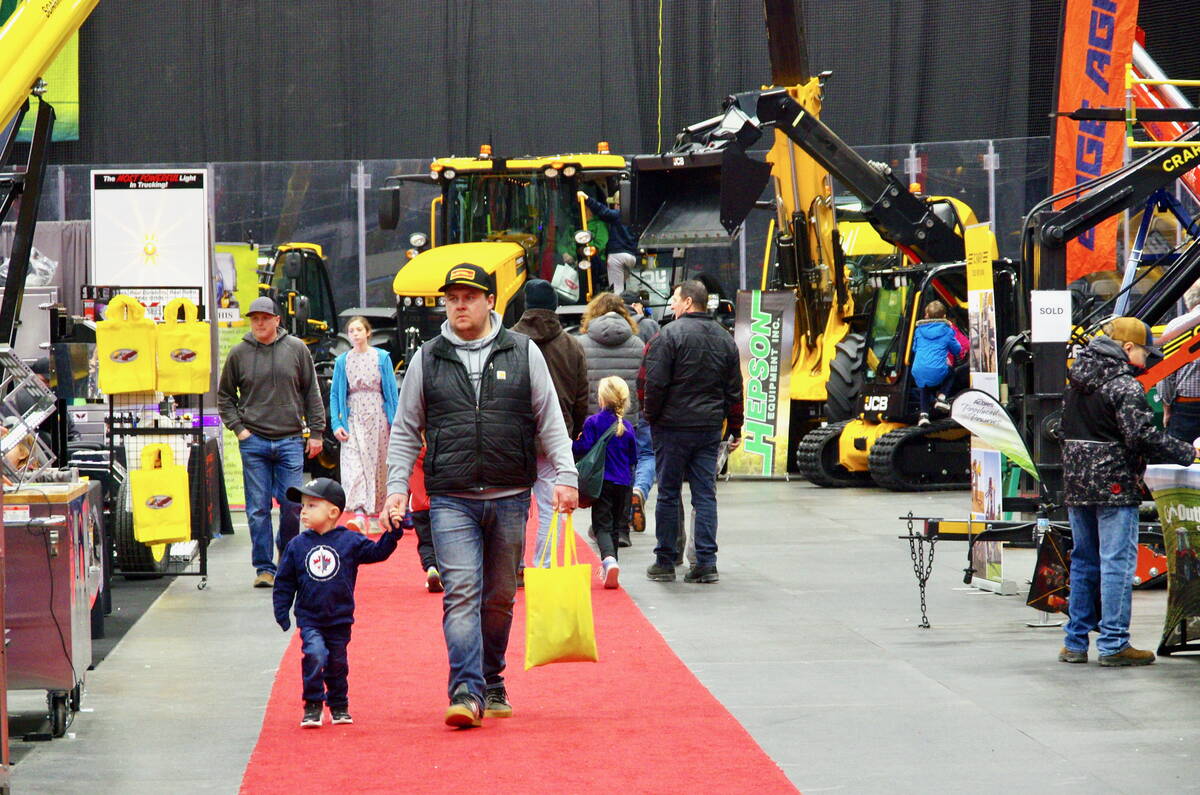
The Brandon Keystone Centre has always felt like the heart of Manitoba’s agricultural community during Ag Days. This year, the atmosphere felt subtly but unmistakably different than last year, although trade was again on a lot of lips: less reactive, more reflective and marked by cautious optimism.
Last January, the mood was dominated by a single question: What would Donald Trump do next? The then-president elect’s inauguration was imminent. He had promised steep tariffs on Canada, and those tariff threats loomed over every conversation. Walking the aisles, I heard worry in farmers’ voices and saw it in tense expressions.
Some dismissed the anxiety as political bluster. Others quietly hoped Trump’s unpredictability might work in Canada’s favour. The Keystone Centre felt like a place of waiting, of held breath.
Read Also
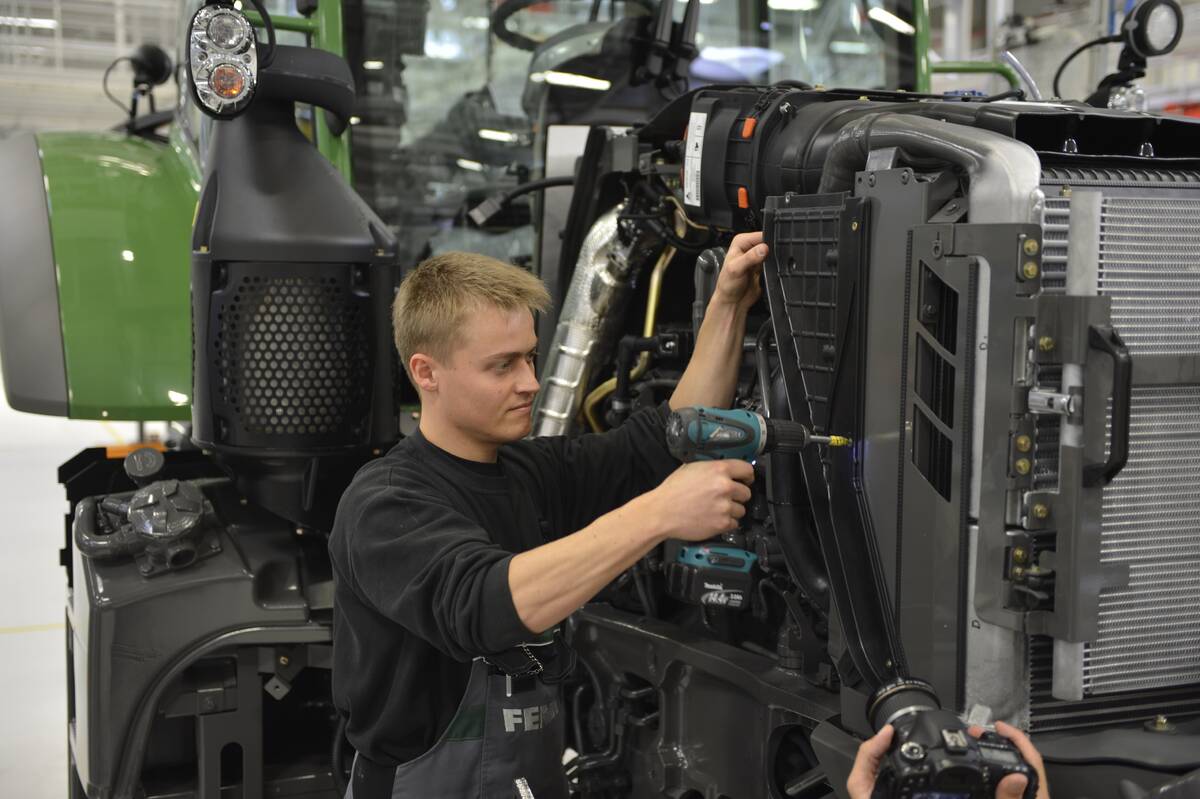
Farm equipment makers caught in war-driven stock market shockwave
Major manufacturers, including John Deere, AGCO and CNH Industrial, see market capitalizations drop by billions as Iran war continues to roil global markets.

This year, it felt like the anxiety had shifted and deepened. The U.S. was no longer the only concern. China now loomed large — not as a distant market, but as an unpredictable and powerful force. Again, there had been big news, with Canada’s agreement-in-principle with China having just been announced days earlier. Conversations moved beyond Trump’s whims to broader questions of resilience, diversification and Canada’s reliance on traditional markets. The mood was no longer one of waiting, but quiet determination.
Outside of the ever-present topic of last year’s harvests, people were talking about ongoing tariffs on Canadian pork and cautious optimism around canola. Canola duties were promised to ease by March. Peas and canola meal had been promised tariff relief through 2026 and Canadian beef was inching back into China after a four-year halt.

Pork, however, remained subject to a 25 per cent tariff — costing Manitoba producers an estimated $100 million annually. Canola oil wasn’t part of the deal.
It’s a reminder that trade wins are often partial and fragile.
One of the most talked-about presentations came from U.S. analyst Jacob Shapiro. He urged farmers to tune out social media, stop worrying about Trump and to focus instead on what markets actually demand. That shift — from political anxiety to strategic thinking — echoed across Ag Days.

Manitoba Agriculture Minister Ron Kostyshyn emphasized domestic and interprovincial collaboration, framing trade uncertainty as a catalyst for innovation rather than defeat. The message was clear: Canadian agriculture can shape its own future.
Covering Ag Days for the second year in a row, the contrast was striking. Last year felt reactive. This year felt proactive. The narrative had shifted from fear to foresight, from uncertainty to agency.
If Ag Days 2026 proved anything, it’s that Manitoba’s farmers aren’t just surviving global trade turbulence, they’re learning how to navigate it on their own terms.