Farm input costs, which were already high, have become astronomical.
While nitrogen fertilizer and diesel fuel are the big-ticket items getting the most attention, the cost increases will extend much further.
Farmers are considering various strategies to minimize the economic damage for this year and the years to come.
Read Also

Tariffs, biosecurity lead discussion at Manitoba Pork AGM
Trade and biosecurity concerns led discussion at Manitoba Pork’s AGM, with CUSMA, tariffs, African swine fever preparedness and wild pig control all in focus.
Fortunately, farmers in Western Canada had most of their nitrogen fertilizer locked in ahead of the dramatic escalation caused by the war in the Middle East. What isn’t widely appreciated is the war’s impact on other fertilizer types, including phosphate.
Breaking down fertilizer impacts
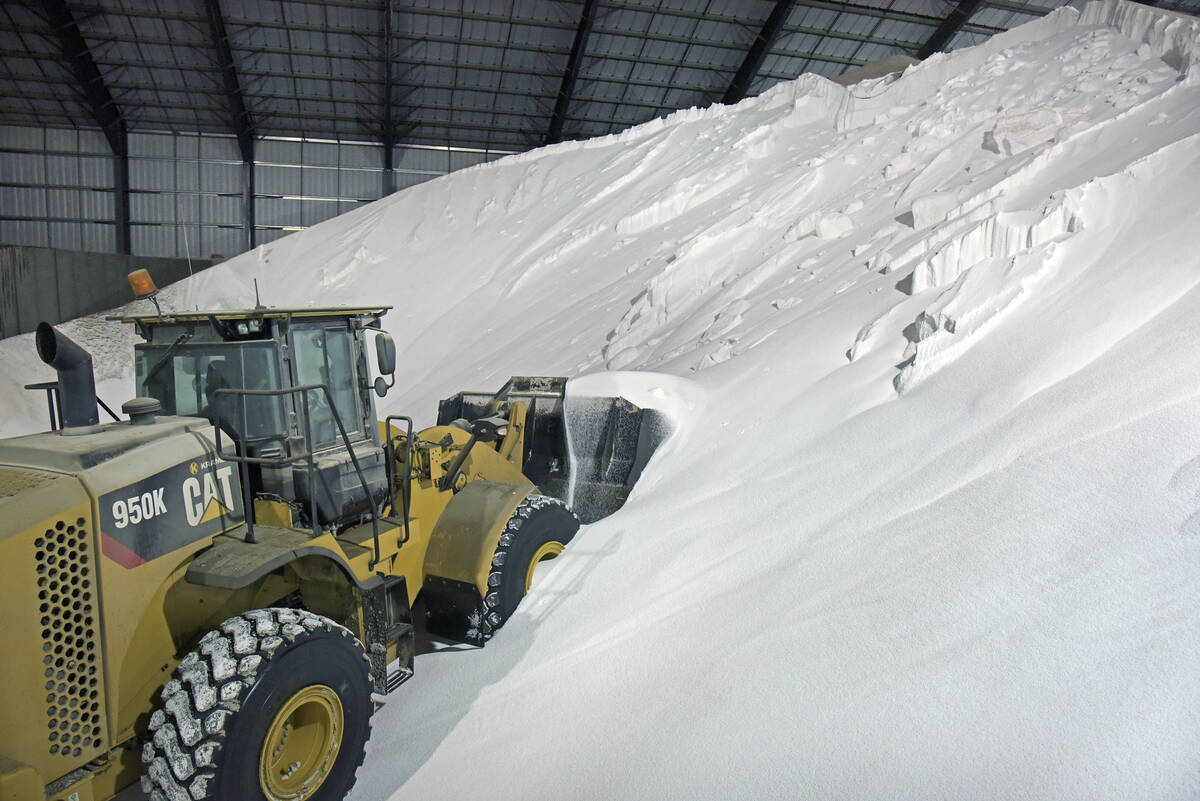
Mario Gaudet, a senior account manager with Alberta-based BiziSul, which supplies elemental sulfur, used a recent webinar hosted by Dan Aberhart to explain the sources of sulfur and the role it plays in all sorts of manufactured products.
Sulfur is a byproduct of oil refining, which accounts for 80 per cent of the world supply. About 40 per cent comes from the Middle East, and, like nitrogen, was blocked for weeks at the Strait of Hormuz.
Gaudet says that over the last year-and-a-half, the price of elemental sulfur has increased from US$70 per tonne to around $580.
Sulfur is needed to produce sulfuric acid used in battery production as well as the refining of lithium and many other metals. Sulfuric acid is also a necessary ingredient to turn phosphate rock into phosphate fertilizer.
“Over the last year and a half, the price of elemental sulfur has increased from US$70 per tonne to around $580.”
Kevin Hursh
Monoammonium phosphate, 11-52-0, was already expensive and hasn’t escalated like nitrogen. However, with the high cost of sulfur and the high cost of the nitrogen component in the fertilizer, it’s difficult to imagine MAP prices coming down anytime soon.
Nitrogen strategies
What should the strategy be next summer and fall if the price of urea is still $1,000 or more per tonne? Should you plan to stock up for 2027? Will the ceasefire hold? Will fertilizer manufacturing and distribution be catching up?
Nitrogen is usually less expensive in the summer and fall.
While nitrogen stabilizers cost money, more producers might now consider using a stabilizer and spreading fertilizer in the fall.
The cost of a stabilizer is often relatively small compared to the usual price increase ahead of spring. Applying in the fall also means you don’t have to store the product.
While producers are used to pricing fertilizer in advance of seeding and most have a significant amount of on-farm storage, diesel storage is a mixed bag.
Some producers have significant storage and try to time purchases to save money. Others just get regular bulk deliveries as needed.
While nitrogen tends to follow a predictable price pattern most years, diesel fuel would seem to be more erratic.
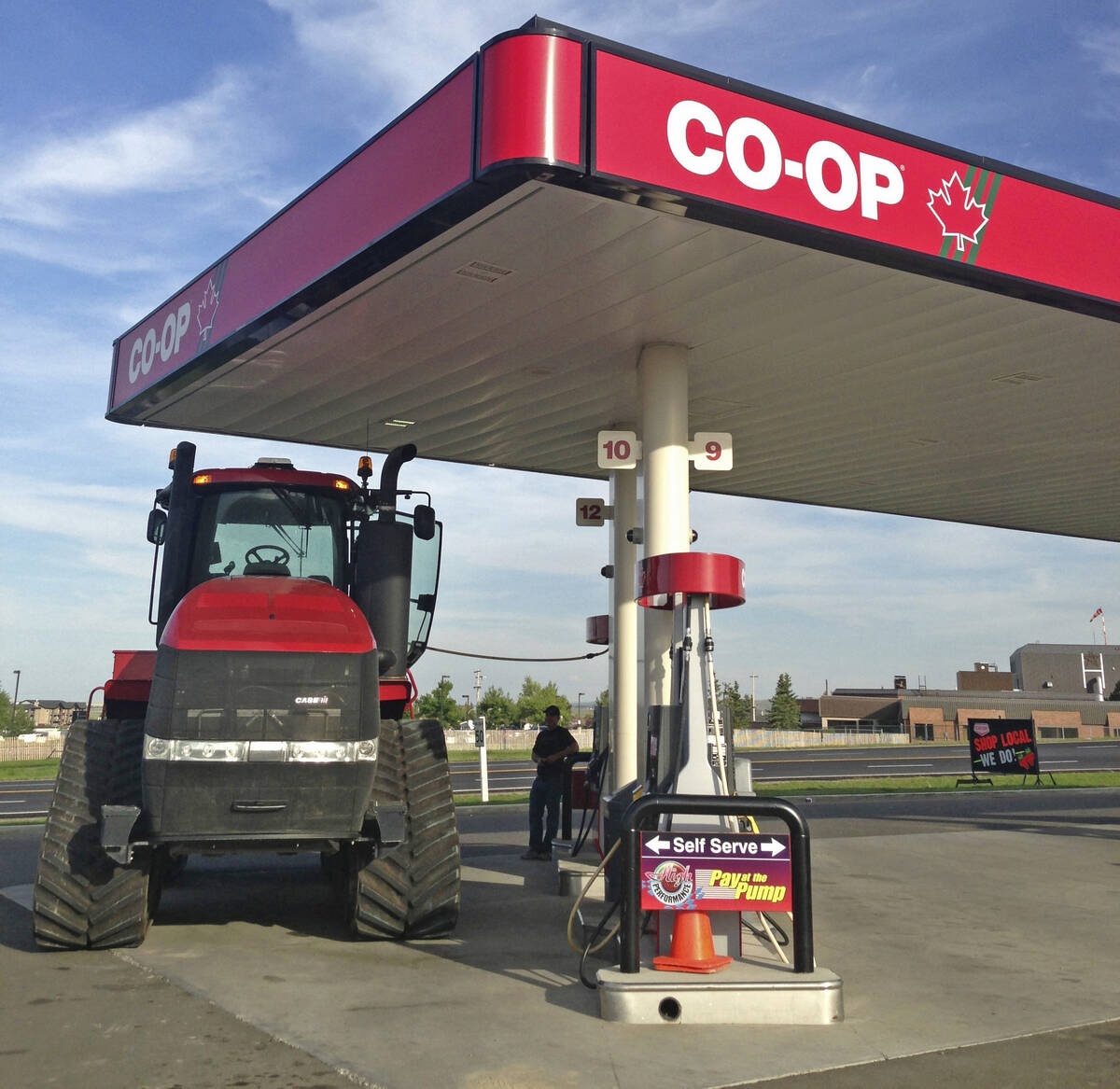
However, following the onset of the war, a spike in prices would have been a reasonable expectation. Those with the storage to stock up saved a lot of money.
Another advantage to having extensive diesel fuel storage is the ability to obtain a lower price for taking an entire tanker load at a time. Of course, buying a large amount at the wrong time would lock in an even-larger loss.
The high cost of petroleum will manifest itself in the prices for crop protection products.
Yes, many chemistries are off patent and generics have decreased price levels, but it’s now more expensive to manufacture all petroleum-based products. Even the plastic jugs cost more. Buying in advance was a good strategy.
With the high input costs and outlook for compressed margins, producers are unlikely to be bullish on equipment upgrades. That’s one area where they can exercise more discretion.
Kevin Hursh is an agricultural journalist, consultant and farmer. He can be reached by email at [email protected].