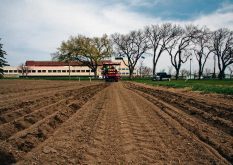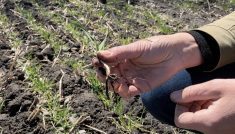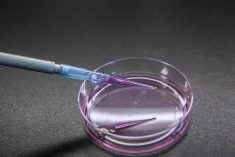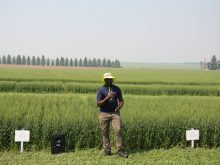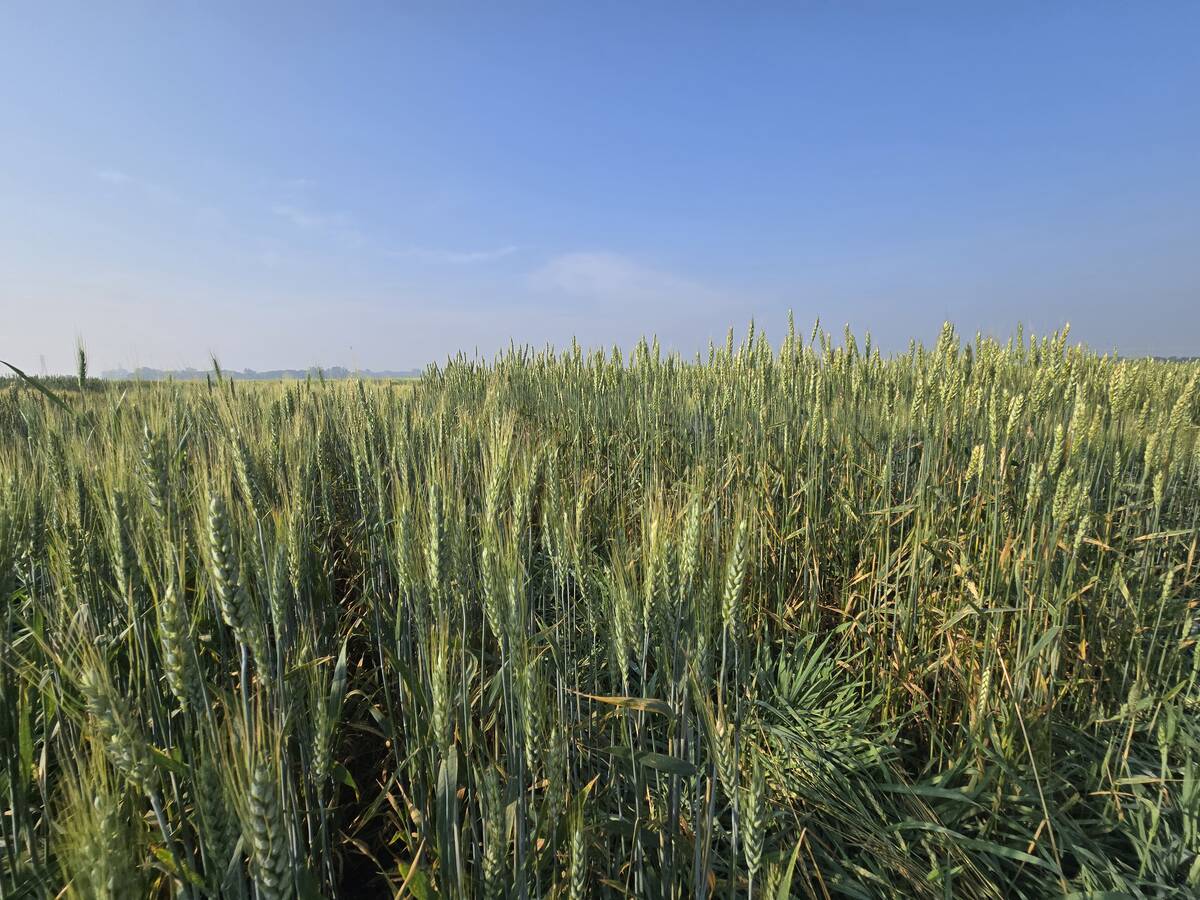
Canada’s crop breeding system did not appear overnight. It was built plot by plot, generation by generation, through public investment and farmer partnership.
It produced wheat varieties that compete globally, barley that meets exacting malt standards and pulses that opened new export markets.
It has served us well.
Read Also
Iran war catches Prairie farmers in the geopolitical crossfire — again
Prairie farmers didn’t ask for a Mideast conflict to squeeze global fuel and fertilizer supply chains — threatening to send farm costs spiking — but here we are.
However, systems built for one era are not automatically sustainable in the next.
The recent reductions within Agriculture Canada have sparked understandable concern across the farm community.
Behind every program are people, communities and decades of work. No one should dismiss that.
At the same time, reacting as though this is a temporary storm that will soon pass risks missing the larger reality.
Public budgets are tightening. Research costs are rising. Expectations for speed, commercialization and global competitiveness are increasing.
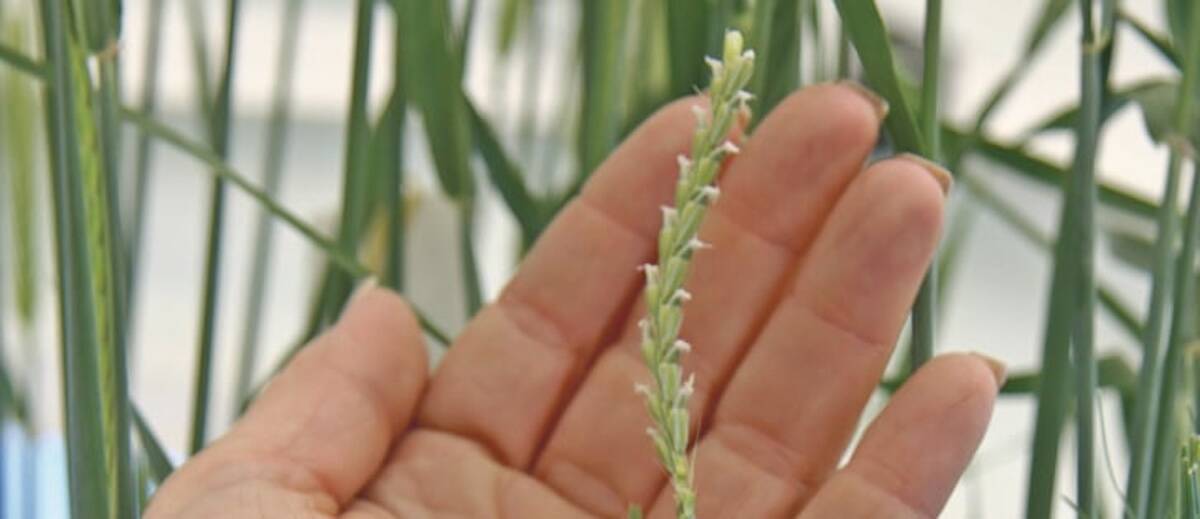
Those pressures are not cyclical. They are structural and exemplified by the news of Richard Cuthbert’s departure.
The question facing Canadian agriculture is not whether public crop breeding has value. It unquestionably does. The real question is whether the current delivery model is built to thrive under modern constraints.
For decades, farmers have been active contributors to this system.
Through check-offs, commissions and collaborative funding models, growers have helped sustain research capacity across cereals and diverse field crops.
We are not distant beneficiaries. We are co-investors, and that distinction matters.
Around the world, farmer-led seed organizations have emerged not out of ideological battles but out of practical recognition.
When growers hold meaningful ownership, three things tend to follow: clearer accountability to farm-level needs, reinvestment aligned with production realities and long-term stewardship insulated from annual political cycles.
“We are not distant beneficiaries. We are co-investors, and that distinction matters.”
Darcy Pawlik, Wheat Growers Association
This is not a call to dismantle public science. On the contrary, it may be the best way to protect it.
Governments are uniquely positioned to focus on foundational research, regulatory modernization, market access and large-scale innovation. But expecting them to indefinitely carry the full commercial burden of variety development may no longer be realistic.
If the pressures are permanent, then leadership requires a permanent solution.
That conversation will not be easy. It requires careful transition planning, respect for public servants and rigorous due diligence to ensure national assets are protected and strengthened.
It also requires farmers to move from a mindset of advocacy alone to one of ownership.
The choice before us is not between public and private. It is between passive dependence and active stewardship.
Canada’s crop breeding legacy deserves more than preservation. It deserves evolution into something strong, admirable and resilient.
Darcy Pawlik is executive director of the Wheat Growers Association.