The Weed Science Society of America (WSSA) is warning the biofuel industry to be careful not to introduce new energy crops that turn into invasive weeds.
“We don’t yet have sufficient research and risk models to predict the environmental impact of these new crops in the field,” Jacob Barney, PhD, assistant professor of Invasive Plant Ecology at Virginia Tech says in a WSSA release. “In many ways it’s a large-scale experiment, with few regulations or policy guidelines. Voluntary precautions taken by stakeholders are virtually our only line of defence.”
Read Also
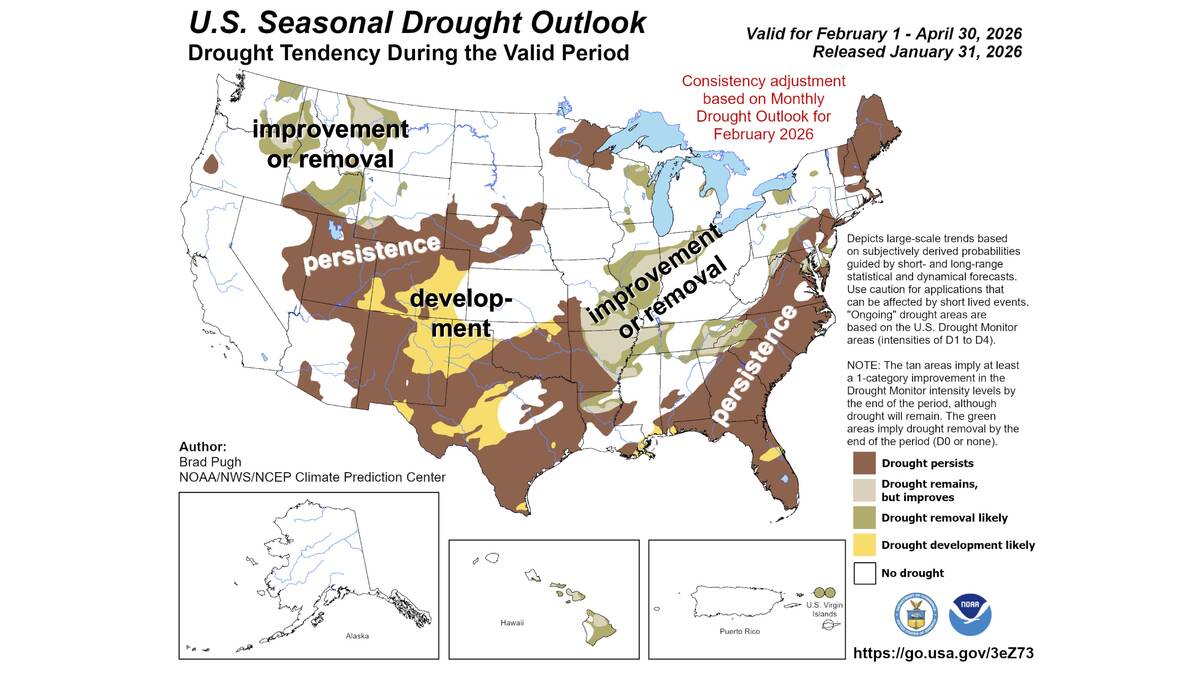
Neutral conditions drive 2026 weather as La Niña subsides
U.S. government meteorologist expects there will be neutral ENSO conditions for the 2026 farm growing season.
The WSSA says a recent report from the U.S. National Wildlife Federation cites several examples of species cultivated for biofuels that have the potential to become harmful invaders. Among them are:
- Giant reed (Arundo donax) an invasive weed known for crowding out native plants in fragile riparian areas.
- Reed canary grass (Phalaris arundinacea), a great threat to America’s wetlands, rivers and lakes.
- Cylindro (Cylindrospermopsis raciborskii), an algae associated with toxic blooms in the Great Lakes region.
- Napier grass (Pennisetum purpureum), an invasive plant known as one of the most problematic weeds in the world.
One of the most popular biofuels crops is giant miscanthus. It is a fast-growing hybrid that is unable to produce seed, making it less likely to spread unintentionally than other miscanthus species. However, the WSSA says it too can represent a threat if planted in the wrong location and that weed scientists are concerned about a now-abandoned miscanthus farm located in Kentucky, on the flood plain of the Ohio River. Any plant fragments washed into the river could travel hundreds of miles, spreading miscanthus well beyond the planted fields, the WSSA said.