erard and Marie DeRuyck decided it was time to find a different way to farm in 2000 after spending buckets of money to seed, spray and harvest – only to have yields decimated by fusarium.
The following year Gerard broke up 25 acres of pasture and sowed oats, sans synthetic inputs.
Their son Dan and daughter-in-law Fran soon followed suit, beginning to transition their mixed farm to organic in 2004.
Right off the bat, the families saw the potential to create Manitoba-grown organic products too.
Today value-added products off both generations of DeRuycks’ farms are widely sought, including a cold-pressed sunflower oil, plus a variety of on-farm milled flours.
Read Also
In defence of eating oats
Forget any social media fear mongering about oats — Oats are a healthy, nutritious, Prairie-grown option to add more whole grains to your diet.
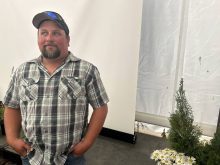
“Basically, we try to add value to everything we grow on our farm,” says Dan DeRuyck whose farm includes 500 cultivated acres plus a few acres of pasture.
The DeRuycks have recently paired with an Arborg seed processor and three Manitoba bakeries to launch a value chain for organic sunflower seeds. Prior, the bakeries have been sourcing organic sunflower off-shore.
All is not smooth sailing. Weed pressures – mustard is a tough one – remain challenging and they’d certainly like to rely less on tillage, says Dan. Organic farming can test the most patient of farmers, he says.
“It’s a new way of management and it takes a few years for your land to get back into decent system.
“For myself personally it’s having the patience to do it.”
———
G