The U. S. farm program should be refined but does not need to be radically rewritten to replace crop supports with revenue guarantees or to make rural economic development the centrepiece, a key senator says.
Saxby Chambl iss of Georgia, the Republican leader on the Senate Agriculture Committee, said he hoped “that we don’t talk about going off in an entirely new direction.
“It is a safety net and it is working,” he told the North Amer ican Agr icul tural Journalists.
Read Also
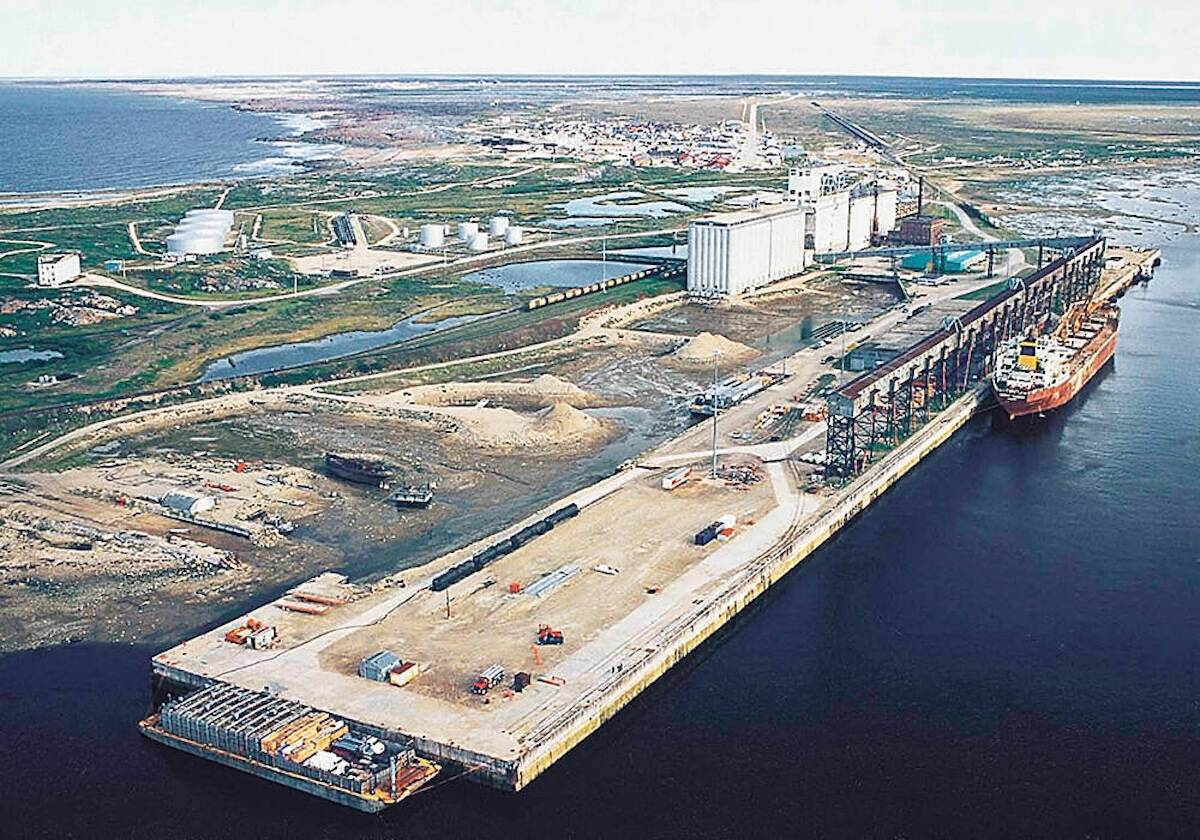
Manitoba, Ottawa sign deal to fast-track projects like Port of Churchill expansion
Manitoba and Ottawa have signed a regulatory streamlining agreement that names the Port of Churchill expansion as a priority infrastructure project.
House Agriculture Committee chairman Collin Peterson has opened hearings on a new farm law, due in 2012, and is interested in insurance-like programs to guarantee farmer revenue. Agriculture Secretary Tom Vilsack says rural economic development should be a priority in the next farm bill.
The $289-billion 2008 farm law covers an array of topics from crop subsidies and land stewardship to farm exports, agricultural research, biofuels and rural development.
The government spends $11 billion a year on crop subsidies and land stewardship programs. Some $2.4 billion is spent on rural development to support a portfolio of loans, loan guarantees, grants and expert advice worth $24 billion.
Peterson said he hoped to draft a farm bill in mid-2011 and steer it to House passage by the year’s end. An early start will ensure that a final House-Senate compromise is enacted before the current farm law expires in fall 2012, he said.
Dairy farmers and at least one group representing grain farmers are exploring dramatic change in farm supports that date from the Depression era, he said.