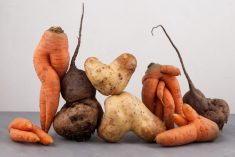
A recent study has shown consumers won’t just accept food made from discarded ingredients — they’ll embrace it.
Researchers from Philadelphia’s Drexel University looked at products that were made from recovered ingredients that would otherwise have been destined for the waste stream.
“There is an economic, environmental and cultural argument for keeping food, when possible, as food and not trash,” said report author Jonathan Deutsch, of the university’s Center for Food and Hospitality Management, who has created ‘upcycled’ products in the past.
Read Also
How Prairie farmers can use cash advances to bridge the gap between input bills and harvest
Farmers can turn cash advances into a financial bridge between harvests, manage surging input costs, without falling prey to pressured grain sales.
“Converting surplus foods into value-added products will feed people, create opportunities for employment, entrepreneurship and lower the environmental impact of wasted resources.”
But the big question has been this: Will consumers accept products made from ingredients that were destined for the garbage? Would a person actually eat — and pay for — a granola bar made from spent brewing grains or a relish made from vegetables unfit for the supermarket?
The researchers conducted a series of tests as a first attempt to understand a consumer’s decision-making process with respect to this new food category.
Participants felt that value-added surplus products were more helpful to the environment than conventional foods, but less helpful when compared to organic foods. The results demonstrated that participants clearly identified these foods as a unique category.
The researchers say this identification could pave the way for premiums for the products, similar to those seen in the organic sector, making creating and selling the products more lucrative.