Farmers across Manitoba are keeping a close eye on rising input costs, rural infrastructure, and community safety as the season changes across the province.
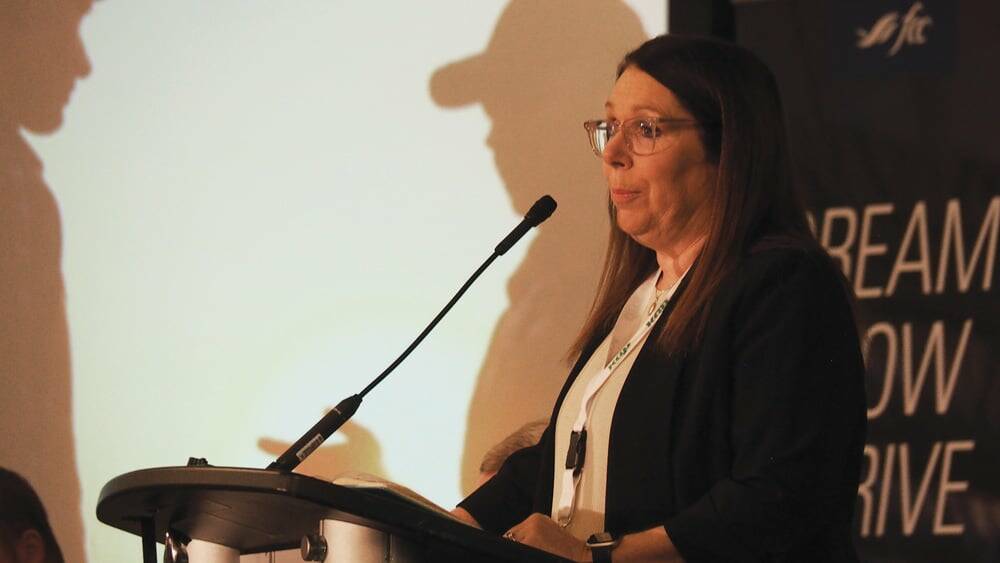
“Rising fuel and fertilizer costs … have a big impact on us as producers,” said Jill Verwey, president of Keystone Agricultural Producers (KAP), at the group’s first advisory council meeting of the year, held on March 25.
WHY IT MATTERS: Rising fertilizer and fuel costs, tied to ongoing Middle East conflict, are putting new pressure on Manitoba farmers as they head into the 2026 growing season.
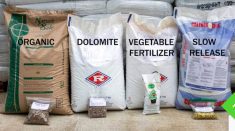
Since conflict started in the Middle East, nitrogen prices have jumped 40 per cent, according to a report by Goldman Sachs on March 24.
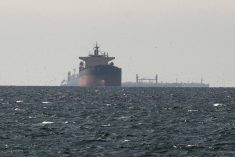
About one quarter of global nitrogen trade and nearly 20 per cent of natural shipments, both essential for nitrogen production, move through the Strait of Hormuz. The ongoing conflict in Iran has kept the strait mostly blocked, causing supply headaches for fertilizer and input deliveries.
Read Also

Manitoba farm leaders praise 2026 budget gains, but gaps remain
Ag organizations say the budget delivers needed support but key concerns on young farmer tax credits, drainage and red tape remain.
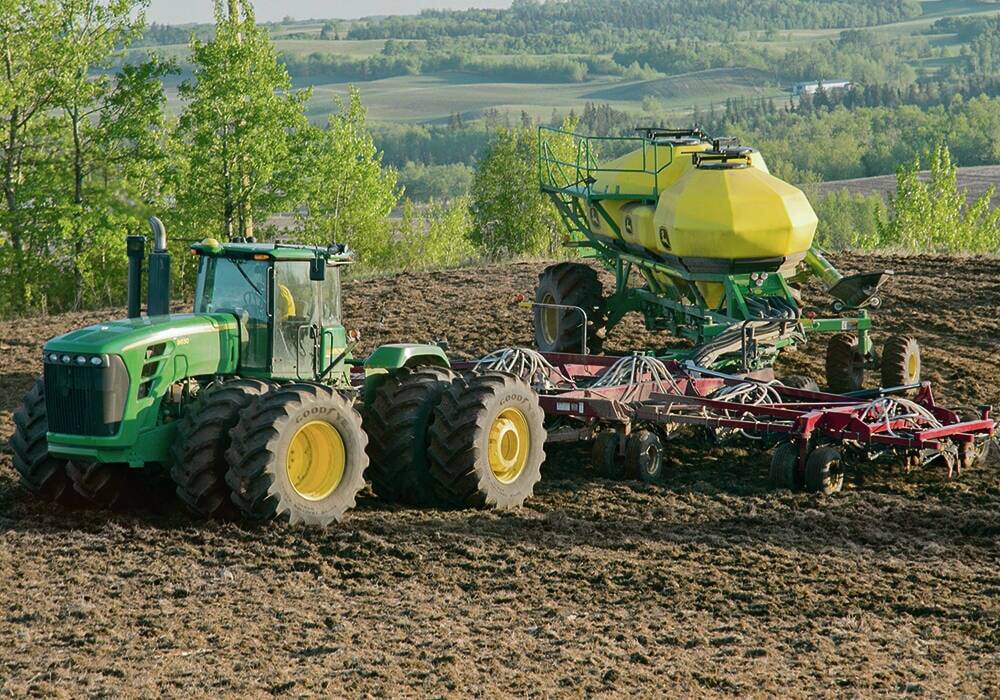
Across the province and KAP’s districts, fertilizer availability was a recurring concern. While many producers have already sourced or prepaid for their fertilizer, the ones who haven’t are facing challenges, said producer Colin Penner.
Shannon Pyziak, a producer from District 10 in Manitoba’s Interlake, agreed.
“Fertilizer costs, as well as fuel costs, continue to be a concern for farmers in our district,” she said.
KAP focused on rural development and policy
Meanwhile, KAP’s policy manager Neil Van Overloop and others on the board have been busy with regional planning and rural development consultation, aiming to ensure agriculture’s role in rural Manitoba is front and centre in political discussions.
“Our comments focused on rural connectivity, rural infrastructure, immigration and population program delivery and action, as well as community safety,” he said.
A 2024 report from Statistics Canada found 34 per cent more reported criminal incidents in rural areas based on population rate, and the Prairies had the biggest disparity.
Those numbers alone may not tell the whole story, however. Northern parts of the province were included in those rural numbers, and Statistics Canada suggested most of the rural-urban divide could be attributed to that. The same report noted that crime in northern areas was about three times higher than in the southern parts of the provinces.