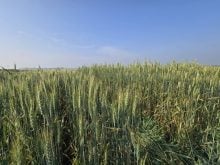
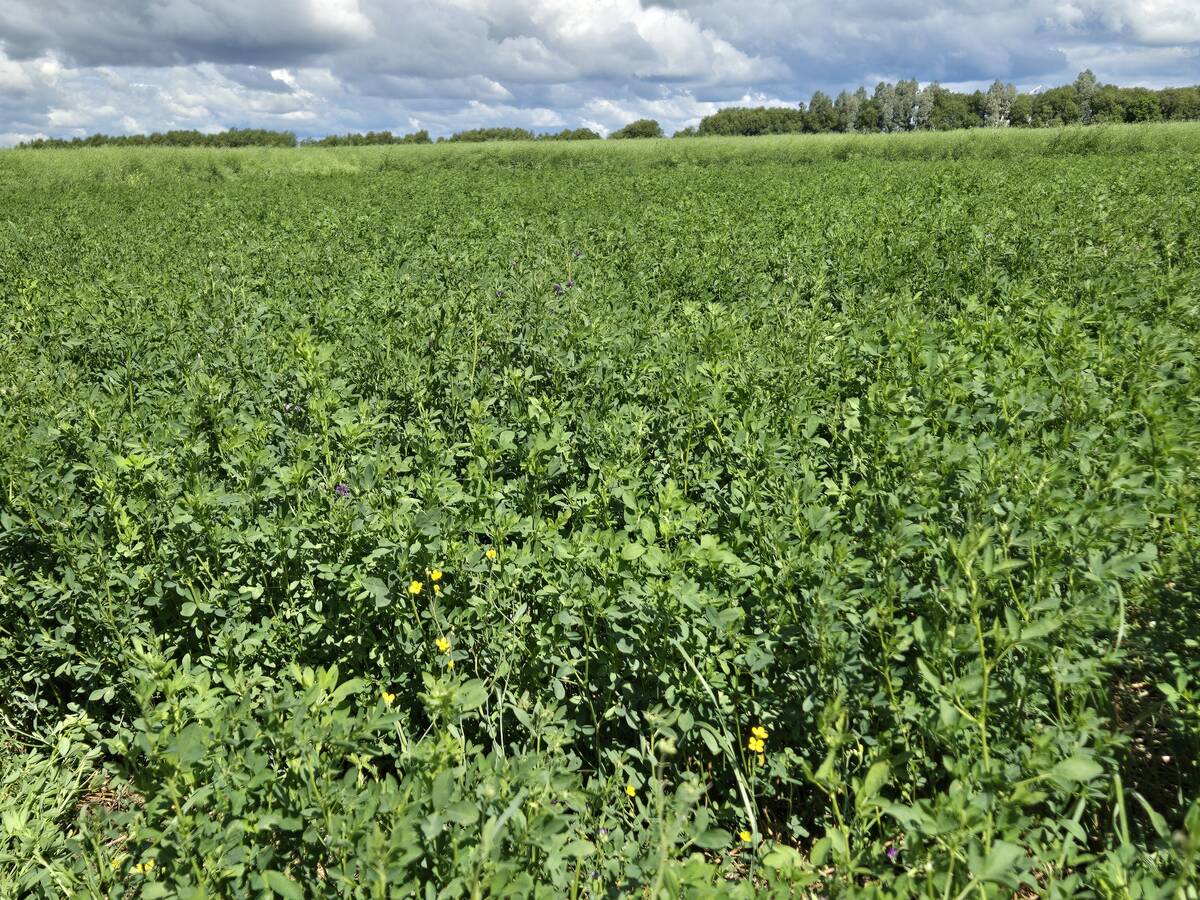
Drought conditions in Manitoba’s northwest have forced researchers at the Parkland Crop Diversification Foundation (PCDF) to terminate some projects and reseed others, though 40 trials continue at the site three miles south of Roblin.
“It’s been, as everybody knows, a very dry year where we are,” said James Frey, an applied research specialist with Manitoba Agriculture who has worked at PCDF for a decade.
WHY IT MATTERS: The Parkland Crop Diversification Foundation in Manitoba’s northwest is one of four crop diversification research centres that test out novel crop management practices, plant emerging crop options and host variety trials each year.
Read Also
Student agronomy challenge coming to Assiniboine College
The Prairies’ first agronomy competition brings together post-secondary ag students for hands-on crop advising challenges at Assiniboine College in Brandon, Man.
Some trials have adapted better to the dry conditions than others. Some farmer co-operation projects — in which the diversification centres tackle research topics farmers have suggested — have fallen prey. Teff plots (a grain from northeast Africa that PCDF has been testing out) were reseeded to canola at the PCDF Roblin site, although the Ethelbert site fared better.
“In Ethelbert…the crop is actually doing very well. It’s beginning to head out, and looks like it should yield well,” Frey told participants in a July 30 Manitoba Agriculture Crop Talk webinar.
Researching resilience
This year is the 30th for the crop diversification organization.
The foundation’s research portfolio includes trials specifically relevant to drought adaptation, including cover crop studies designed to increase soil health and moisture retention. One major project examines growing wheat with cover crops like clover or alfalfa, then following with canola, potentially creating a more soil-building version of the wheat-canola rotation common in the Parkland region.
“Rather than trying to inject a brand new crop into that rotation, we’re looking at…if wheat and canola are going to follow each other, can we increase diversity in-season?” Frey said.
PCDF provides local diversification research and data for farmers in an area contending with a shorter season and cooler tempartures..
“We don’t grow sunflowers up here, for example, just because they don’t finish out,” Frey noted
Climate impacts
PCDF is also conducting greenhouse gas collection studies in partnership with Ducks Unlimited Canada, examining emissions from different fertility regimes. That research ties into broader climate adaptation efforts, Frey added.
The foundation has scaled back from 60 projects last year to 40 this year, but Frey said that the plot numbers have stayed the same.
“Those tend to be more intensive projects,” he said.
Current research includes variety trials for winter cereals, oats, spring wheat, barley, and oil seeds, as well as work with hybrid hemp production. The Parkland region has been “ground zero for the hemp industry,” which started cropping up in the late 90s after the crop was legalized.