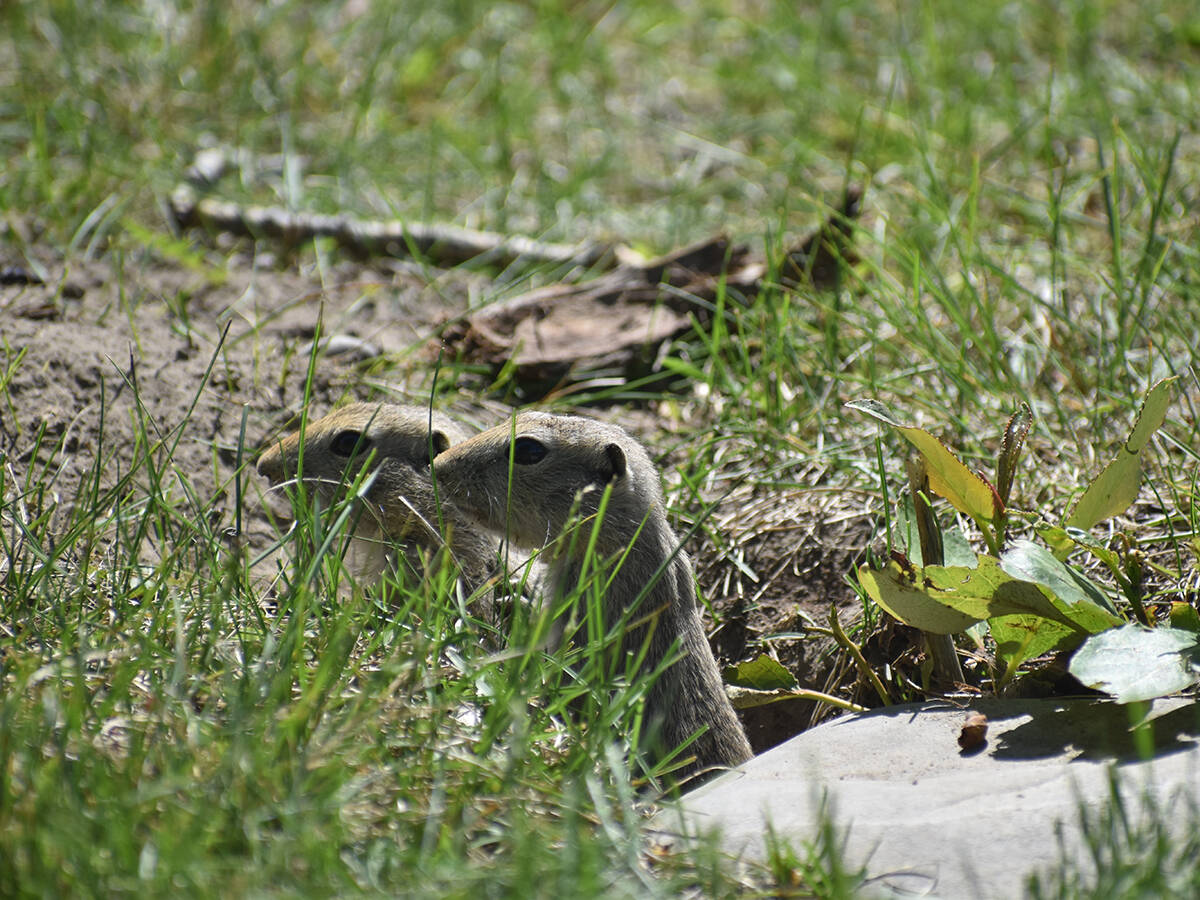
A number of Manitoba farmers and farm groups want similar emergency use of strychnine as has been granted for parts of Alberta and Saskatchewan to help control Richardson’s ground squirrel infestations, but the province isn’t champing at the bit to make the request.
At the end of March, the western Prairies prevailed in their ask for an emergency use exception for the rodent control product, which hasn’t been allowed in Canada since 2023. The Pest Management Regulatory Agency (PMRA) had initially denied the request earlier this year.
Now though, the PMRA has OK’d limited use of the product through November 2027, citing significant crop damage.
Read Also

Farm praises ‘common sense ruling’ in Manitoba horse-for-slaughter trial
Manitoba horse exporter Carolyle Farms speaks after winning court defence in March 2026 animal welfare trial.
WHY IT MATTERS: Farmers in western Manitoba say they’re also losing crops and pasture to ground squirrels but, unlike their Saskatchewan neighbours, they have no emergency permission to use strychnine.
Producers push for strychnine access
“Their damage doesn’t stop at the Saskatchewan border. They’re not aware of that invisible line.”
Carson Callum
Manitoba Beef Producers
One of the major patches of Saskatchewan approved for strychnine butts up against Manitoba. Producer groups note the pressure doesn’t stop because Saskatchewan does.
“I think it’s a positive step to ensure that producers have the tools they need to control issues such as Richardson’s ground squirrels and all the damage that they’re causing,” said Carson Callum, general manager of Manitoba Beef Producers.
Anecdotally, they’re becoming just as problematic in some parts of Manitoba as farther west, Callum added.
“Their damage doesn’t stop at the Saskatchewan border. They’re not aware of that invisible line.”
According to Callum, Manitoba producers and industry groups have been advocating for access to strychnine alongside their counterparts in Western Canada. The province, though, must be the one to file the request to the federal government. So far, that hasn’t happened.
Damage growing on farms
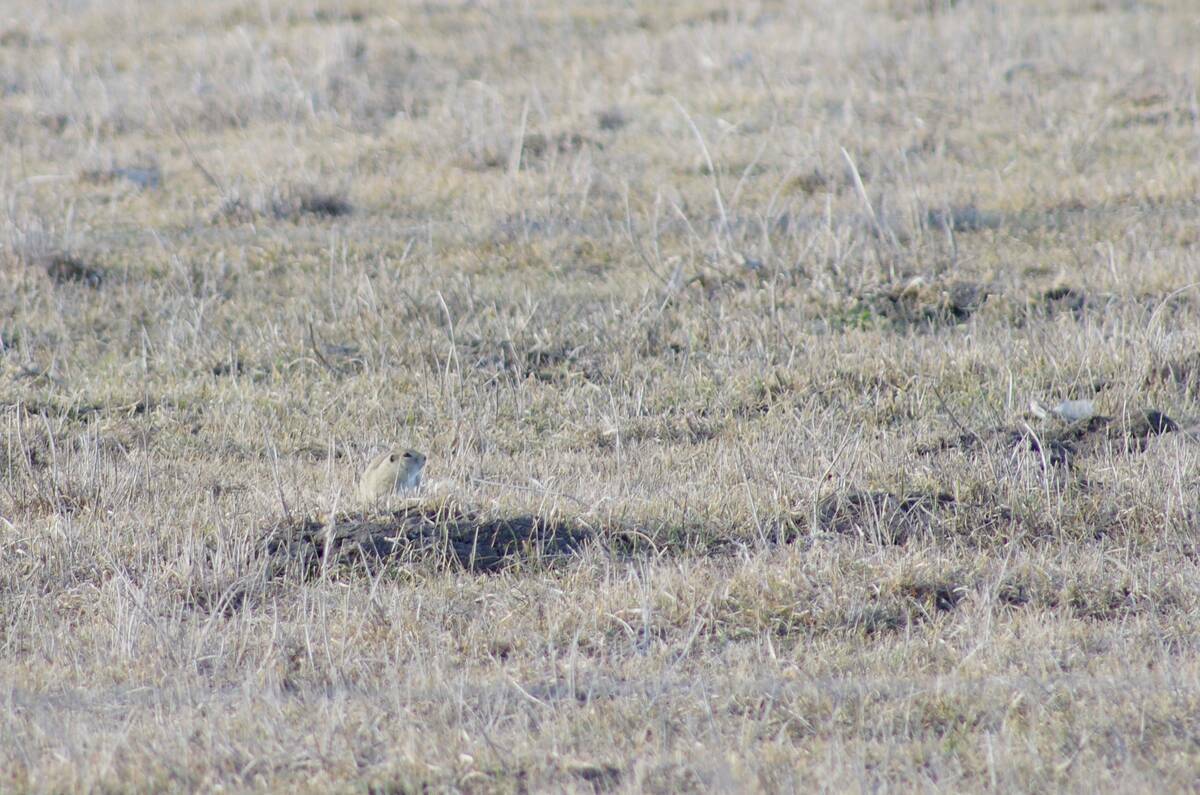
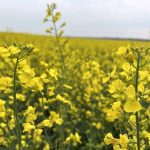
At the farm level, some producers say the damage is already severe. Jesse Nykoliation, who ranches near Lenore, lost 100 acres of canola due to damage from Richardson’s ground squirrels several years ago.
“I seeded 140 acres of canola, and 100 of it got ate by gophers,” he said. “And I re-seeded it and it got ate again.”
Other rodenticides and burrow fumigation have been costly and ineffective, he added.
“It does nothing,” Nykoliation said.
The issue is especially frustrating given Manitoba’s proximity to where the product is now allowed.
“It really upsets me that we’re only 45 minutes (away from) the border, and we’re losing so much to these gophers,” Nykoliation said.
Province urges due diligence
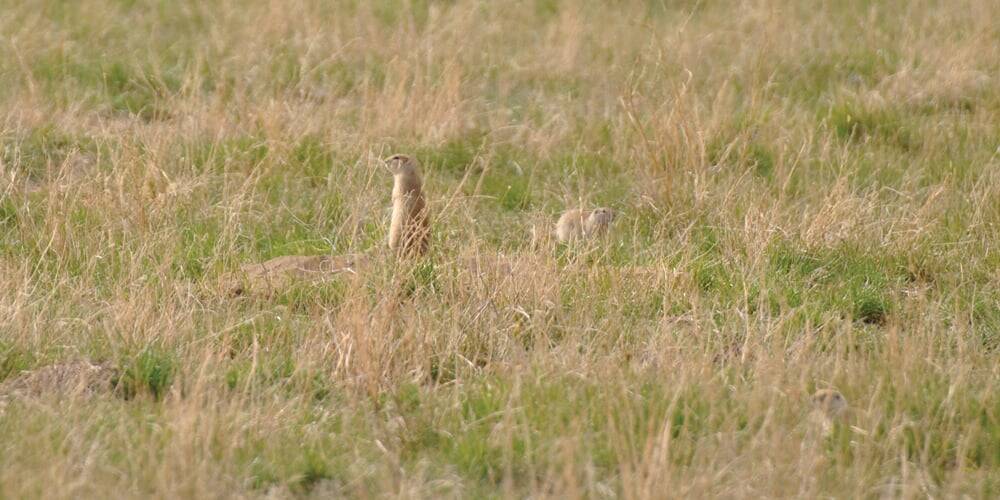
The province is taking a cautious approach and has not yet decided whether to seek an exemption, Agriculture Minister Ron Kostyshyn said.
“I think we have to do the due diligence about being cautionary of where this might be, and how it’s to be used.”
They’re talking with producer groups, Kostyshyn said, adding that education and oversight would be key if the product were to be considered.
It was first axed because of potential spillover damage down the food chain, including at-risk species like burrowing owls.
Manitoba has not seen the same level of infestation as some neighbouring provinces, particularly in drier regions, Kostyshyn maintained. He added the product has not been licensed in Manitoba for more than a decade.
Data points to Prairie-wide patterns
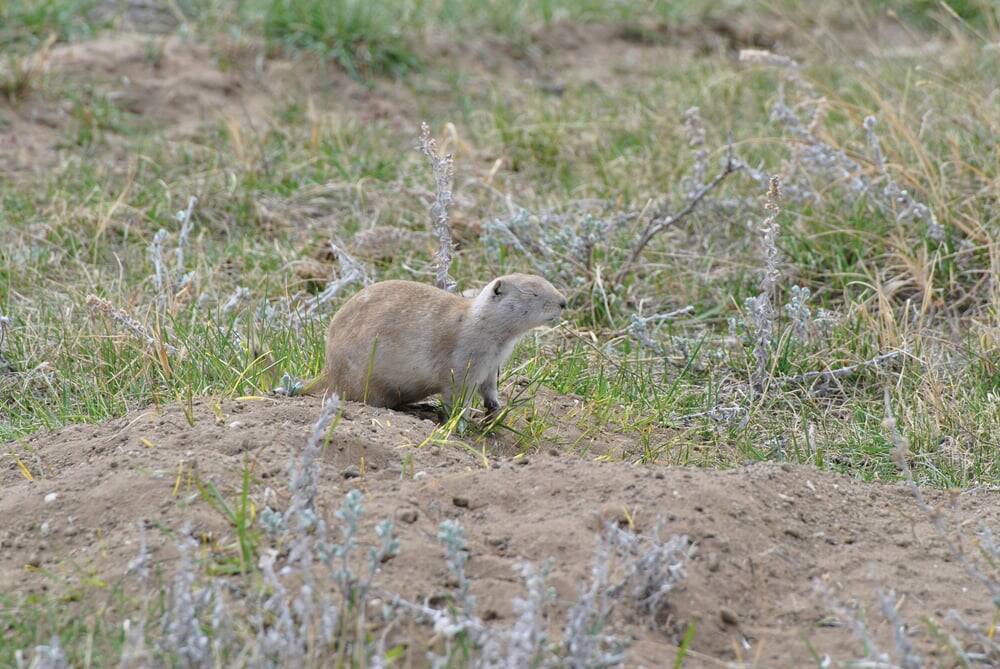
Richardson’s ground squirrel populations are strongly influenced by dry conditions and land characteristics.
A study published in 2012 in The Canadian Field-Naturalist found the animals were widespread across Saskatchewan’s agricultural region during a drought period from 2001 to 2009, with particularly high densities in the drier brown soil zone.
The research, based on fieldwork conducted in spring 2008, also found the species was present in all soil zones, though populations were generally lower in cooler or more moisture-rich areas.
Work supported by Manitoba Beef and Forage Initiatives has also identified Richardson’s ground squirrels as a management concern in the province, with research aimed at keeping populations in forage fields below economic threat levels.