Scientists from Penn State University say they’ve gained valuable insight into how plants make cellulose — information that could help figure out how to break it apart to make ethanol.
The researchers said, in a paper published online by the journal Proceedings of the National Academy of Sciences, that they have identified the major steps in the process. That includes the tools used by plant cells to create cellulose and proteins that transport critical components to the location where cellulose is made.
“Cellulose is the single most abundant biopolymer on earth,” said Ying Gu, senior author of the paper. “In the past 10 years or so, cellulose has also been considered as a major component of biofuels. Understanding how cellulose is synthesized may allow us to optimize its use as a renewable energy source.”
Read Also

Manitoba, Ottawa sign deal to fast-track projects like Port of Churchill expansion
Manitoba and Ottawa have signed a regulatory streamlining agreement that names the Port of Churchill expansion as a priority infrastructure project.
The cellulose within many of the products used in everyday life is primarily produced by plants. Despite the economic significance of cellulose, prior to this study researchers only had a basic understanding of how plants create this abundant resource, other than the location and that a protein group known as the cellular synthase complex is involved.
“We didn’t know if other proteins are involved in the complex, or how the proteins get to the plasma membrane,” Gu said.
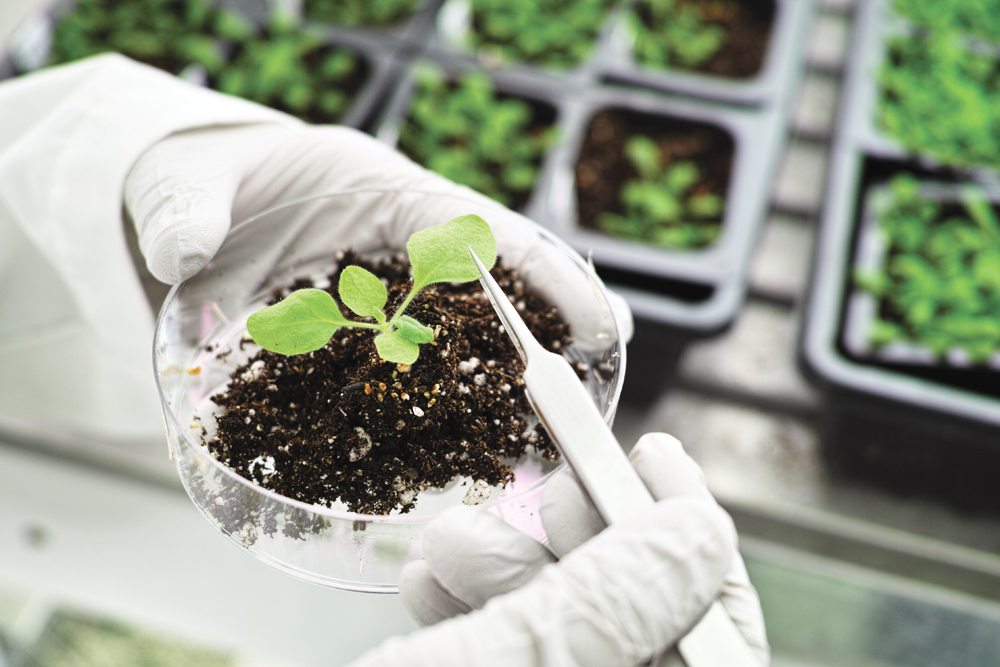
Using various techniques to image and examine the cells the researchers identified new compounds and sites involved in the process.
“We eventually hope to translate what we know about how plant cells build cellulose to more efficiently break it apart again for use in biofuels,” said Gu.