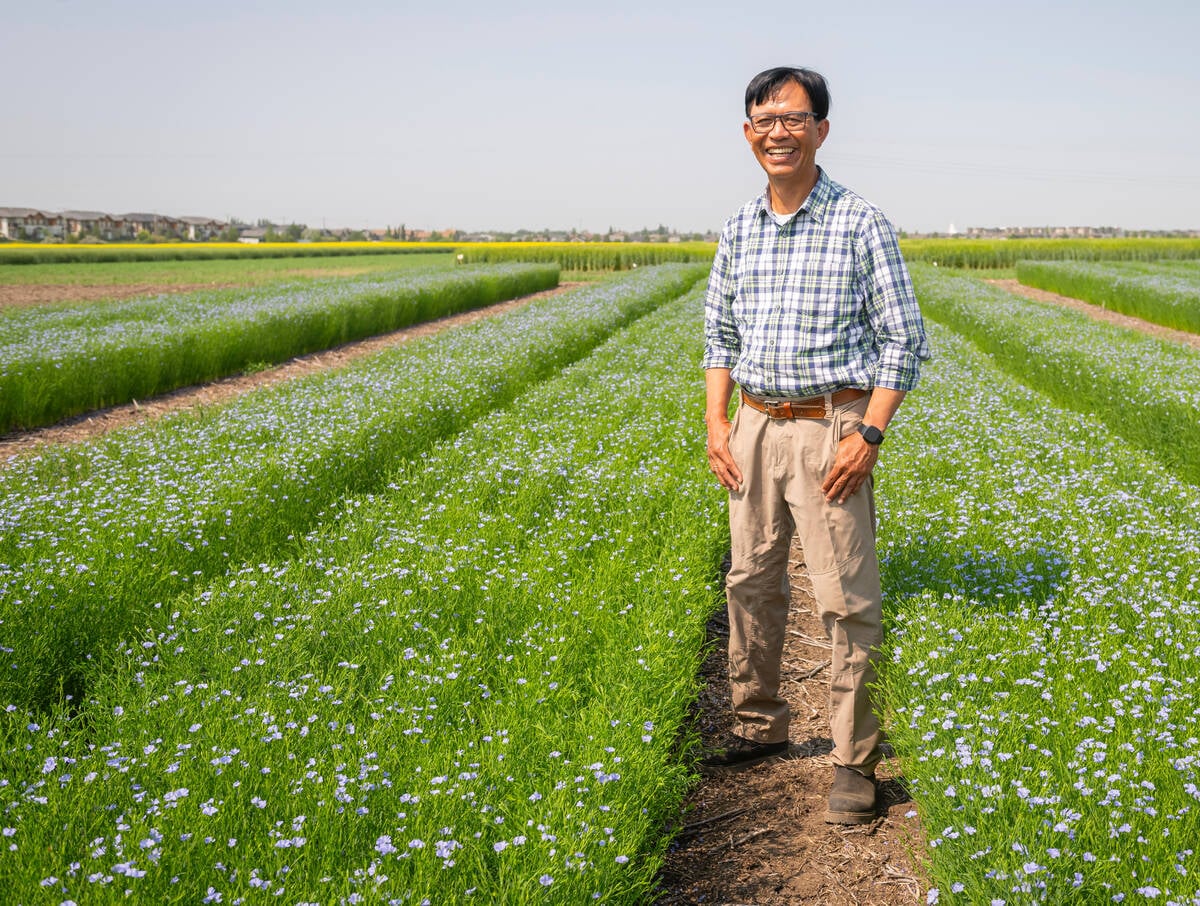
Like most crops, flax yields were good to very good on the Prairies in 2025.
The average yield in Saskatchewan was about 27 bushels per acre, much higher than the 10-year average of 22 bu. In Manitoba, numbers were even higher. The province’s 2025 field crop production estimates put flax yield at 32.6 bu./acre, 120 per cent of last year’s crop and a three-year high.
WHY IT MATTERS: Yields may be up this year, but flax acres have continued to slide in Manitoba. Statistics Canada reported only 34,300 acres planted this spring, compared to 125,000 acres a decade ago.
Read Also

KAP flags risky trade for Manitoba farmers
Tariffs, market access uncertainty, trade diversification and export infrastructure top the agenda at Keystone Agricultural Producers (KAP) annual meeting.
There isn’t one reason for yields in the high 20s and 30s this year, but it’s a safe bet that the cool summer played a role. In Saskatoon, only one day in July had a daytime high that exceeded 30 C.
In previous years, with hotter summers, researchers from the University of Saskatchewan learned that flax doesn’t tolerate 33 C temperatures during flowering.
Bunyamin Taran, a flax and chickpea breeder from the University of Saskatchewan, found this out when he grew flax under irrigation at the university.
Even when sufficient water was available, flax plants could not withstand the summertime heat.
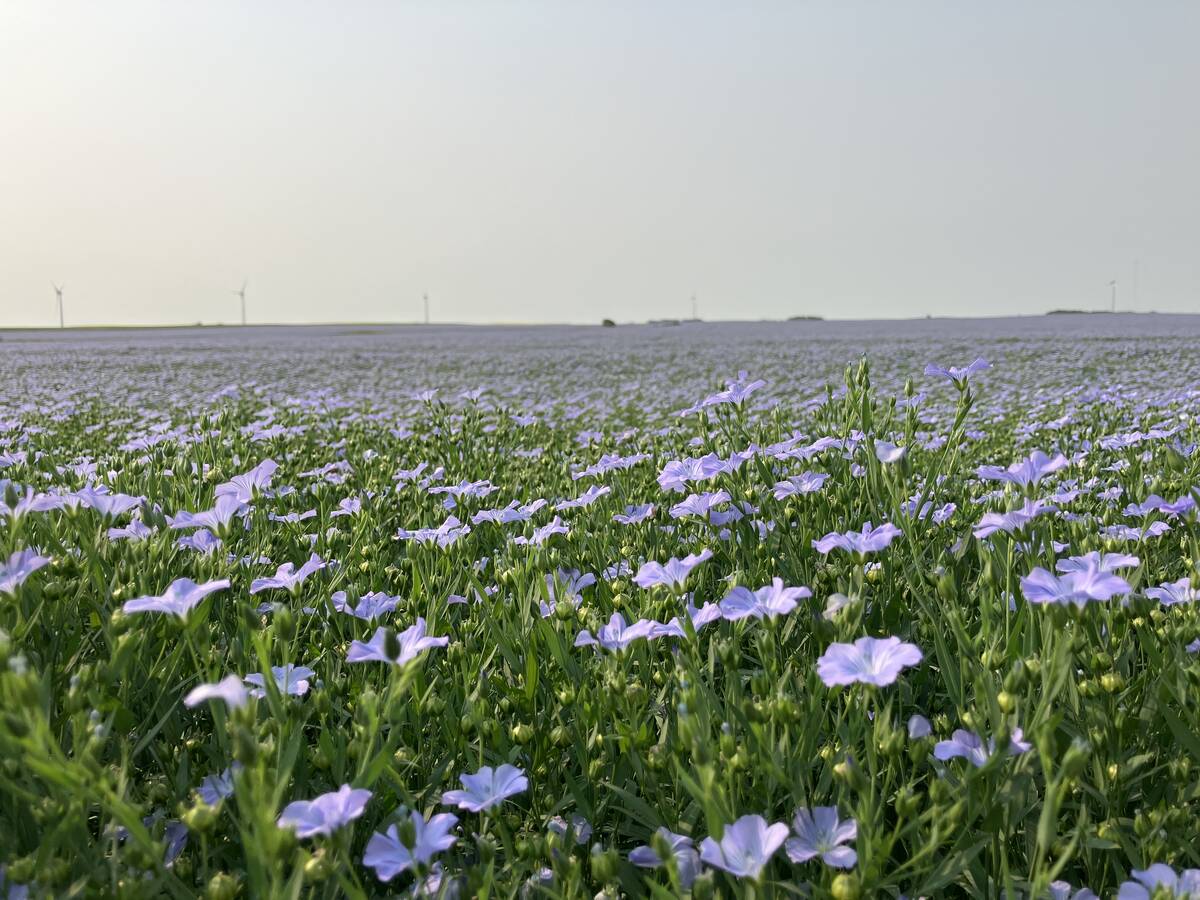
“When the temperature hits 30 to 32 degrees during flowering … there was no shortage of moisture … but the yield drops,” he said.
“When I looked at the bolls of flax, there (were) no seeds. This is the effect of the heat stress. A lot of seeds are aborted inside the bolls.”
Taran has been the flax breeder at the U of S since 2021, so he hasn’t had a lot of time to improve the heat tolerance and yield potential of new flax varieties.
The data clearly shows that flax yields have been “stagnant” for the past couple of decades, Taran said.
Using Statistics Canada data, average flax yields were slightly more than 20 bu. in 2005-10. Fifteen to 20 years later, yields had crept up to 23-25 bu. per acre.
Over the last 30 years, the yield gain in flax is only 9.6 pounds per acre per year, Taran said.
Yield gains flagging
That sounds worse when compared to canola, which has gained 52 pounds per acre per year.
To push flax higher, Taran and his colleagues are screening existing flax varieties and a broad germplasm, seeking genes and traits that could improve the oilseed’s heat tolerance.
It’s part of a four-year project, supported by the Sasaktchewan Agriculture Development Fund, the Manitoba Crop Alliance and SaskOilseeds.
So far in the project, there’s good news and bad.
- The good: some flax materials, including wild varieties, are more tolerant of high temperatures, Taran said.
- The bad: commercial flax varieties in Canada are sensitive to high temperatures in the summer.
It will take years for Taran to identify and understand the processes within flax that provide protection against 32 C days and warm nights during the bloom period.
Then, he will integrate that improved tolerance into a flax variety that has high quality oil in the seed and other desirable traits.
This process would be faster if Taran had more help.
At one point, Canada had three breeding programs for flax. Now, the Crop Development Centre at the U of S is the only flax program in the country.