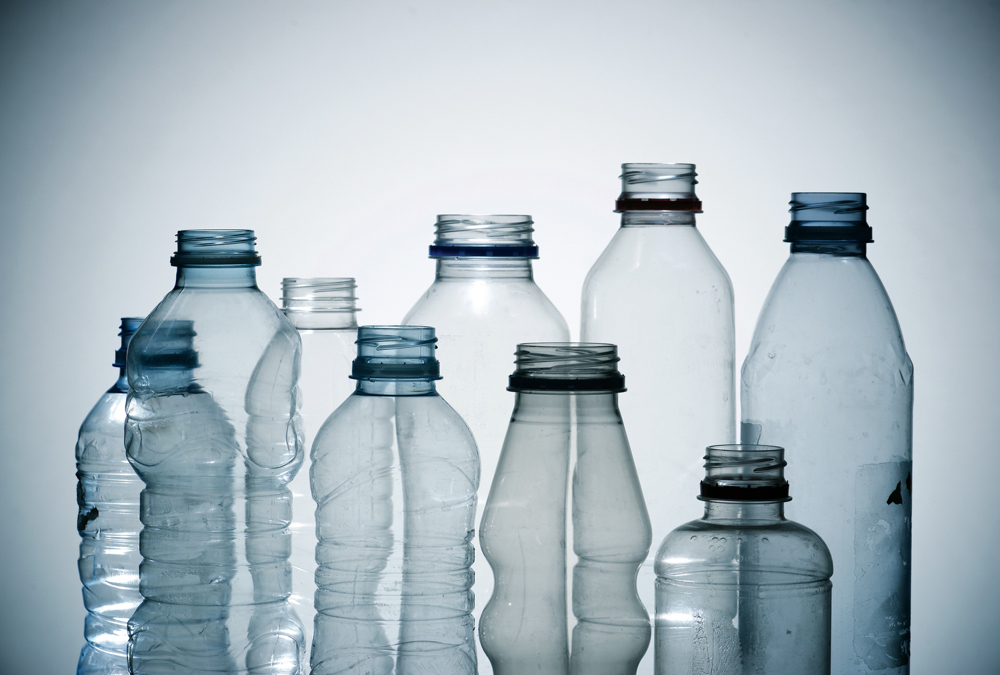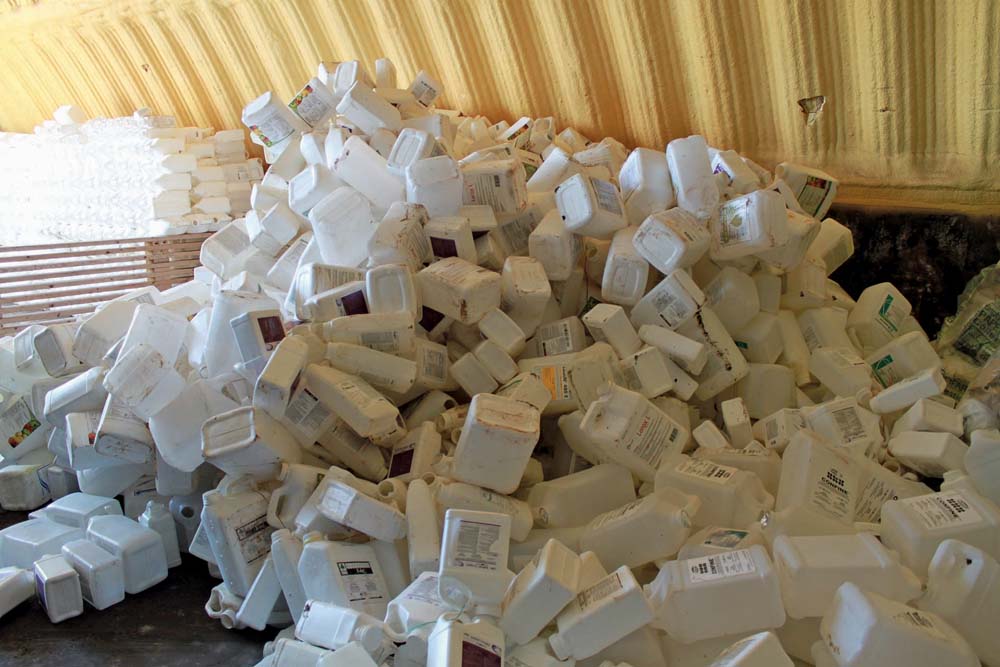
In the three decades since Cleanfarms began collecting agricultural plastic containers, about 126 million plastic jugs have been recycled into new products instead of being disposed in landfills.
The voluntary stewardship program in Prairie communities currently recovers about 65 per cent of the smaller plastic containers (23 litres or smaller) that are placed on the market each year.
“We’ve been able to increase the recovery of empty containers thanks to Canadian farmers and more than 1,000 ag-retail and municipal collection sites across the country,” said Barry Friesen, Cleanfarms general manager. “In 2018, we recovered nearly 5.8 million containers, a 14 per cent increase by volume over 2017.”
Read Also
MFGA praises federal government’s national soil strategy promise
Ottawa has announced plans to develop a national agricultural soil health strategy, drawing praise from Manitoba farm organizations.
Nearly 1.4 million of those containers were collected in Alberta — which was second only to Saskatchewan in the number of jugs collected for recycling.
To mark its 30th anniversary this year, Cleanfarms has set a goal of 100 per cent recovery.
“We’re asking farmers who use these products to follow best practice and recycle every one of the empty containers when they’re finished with them,” said Friesen. “It’s a big ask but we know Canadian farmers are keen stewards of their land and are committed to environmental responsibility when it comes to how this packaging is managed.”
Recovered agricultural plastics are recycled into new products such as farm drainage tile, flexible irrigation pipe, and garbage bags.
Since its founding, Cleanfarms has expanded its recycling program by collecting plastic farm waste materials such as empty seed, fertilizer, and pesticide bags; silage wrap; large pesticide and fertilizer drums and totes; twine; and grain bags.
There are nearly 150 locations in Alberta where jugs can be dropped off and nearly 200 collections sites in the province for drums and totes. This fall, Cleanfarms will be collecting unwanted pesticides and livestock medications in northern Alberta.
For a list of collection sites, guidelines on how to recycle (such as triple rinsing jugs), and other information on the Cleanfarms website.