Geese aren’t the only thing making their yearly spring appearance this month.
Classrooms across Canada, Manitoba included, are once again welcoming a flock of agricultural professionals for Canadian Agriculture Literacy Month (CALM).
This year, CALM is celebrating its 15th year. The month-long campaign brings volunteer speakers into classrooms to outline what they do in agriculture and how food moves from farm to plate.
Read Also

Student agronomy challenge coming to Assiniboine College
The Prairies’ first agronomy competition brings together post-secondary ag students for hands-on crop advising challenges at Assiniboine College in Brandon, Man.
Some of those professionals are farmers. Others are among the many other professions that touch agriculture and agribusiness sectors.
WHY IT MATTERS: General disconnect has been noted between average Canadians, most of whom have no farm connections, and the food system. Agriculture in the Classroom and Canadian Agriculture Literacy Month are part of the effort to fight back.
Different provinces have different takes on CALM. In Manitoba, the program focuses on Grades 2-4.
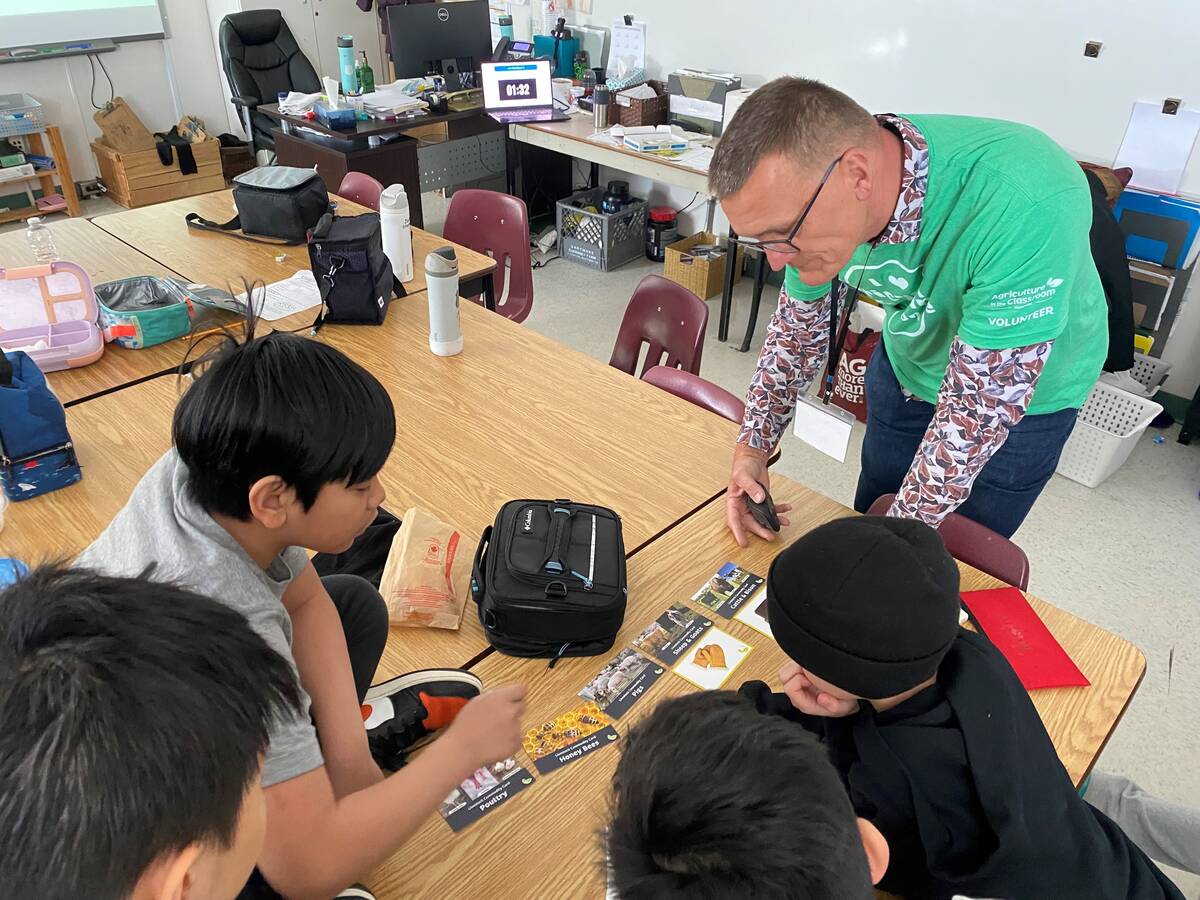
“They connect in the classroom with the students, and they share their story about what they do in agriculture,” said Larissa Peitsch, program and volunteer manager with Agriculture in the Classroom-Manitoba. “They do a hands-on ag-themed activity with the students.”
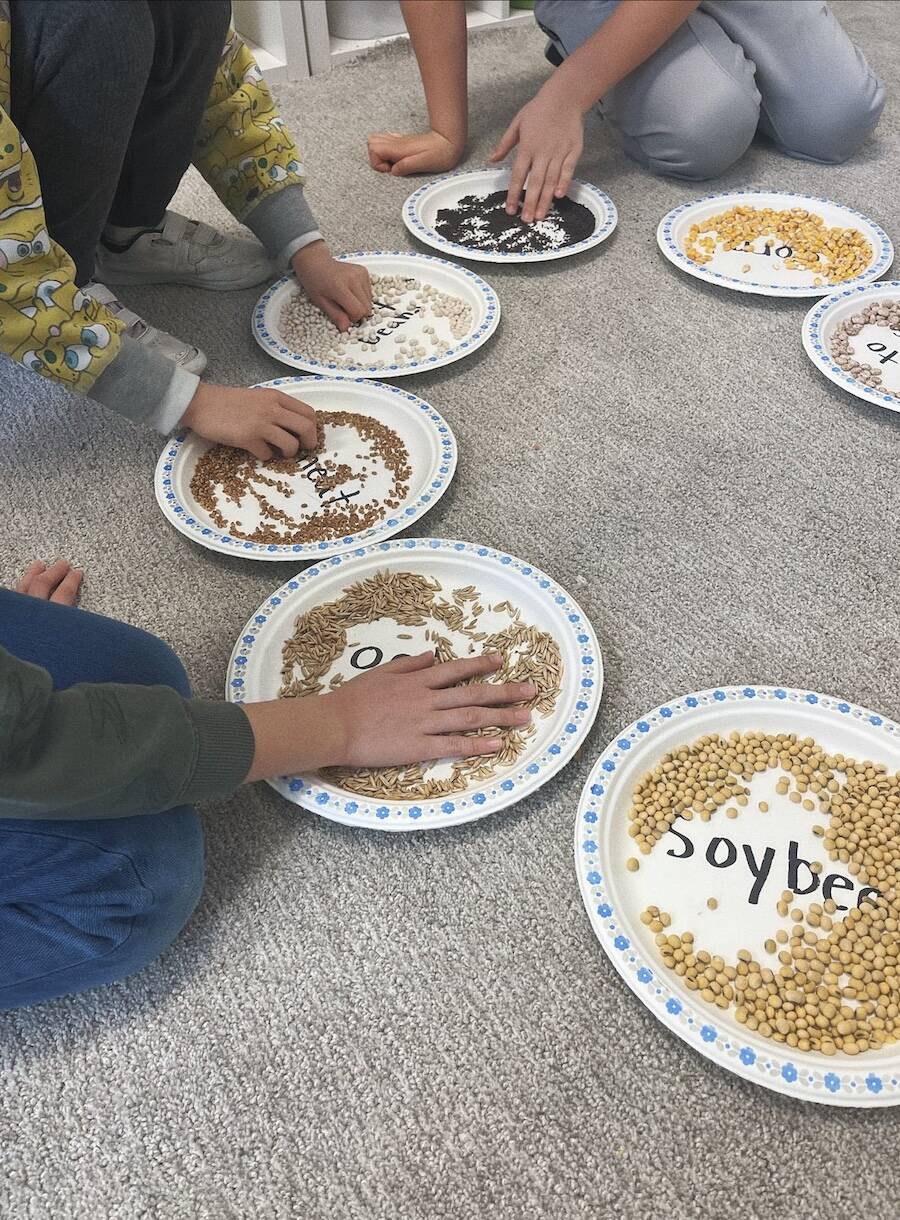
Teachers also get an activity set and a free book.
“We hope the program builds their appreciation at a young age for farmers and the entire food system, everyone that’s involved in getting that food to the table,” said Peitsch.
Agriculture in the Classroom-Manitoba will be delivering 436 classroom sessions throughout March 2026, reaching 7,411 students across the province. About 159 volunteer presenters are involved.
Building ag literacy since 1988
Formed in 1988, Agriculture in the Classroom-Manitoba is just one branch of the national non-profit, all with a mandate to increase agricultural visibility and understanding among school-age Canadians.
“Every province does something in a slightly different way,” said Peitsch. “Some provinces focus on high school years only. Some focus on early years. Here in Manitoba, we focus on kindergarten through Grade 12 for agriculture education.”
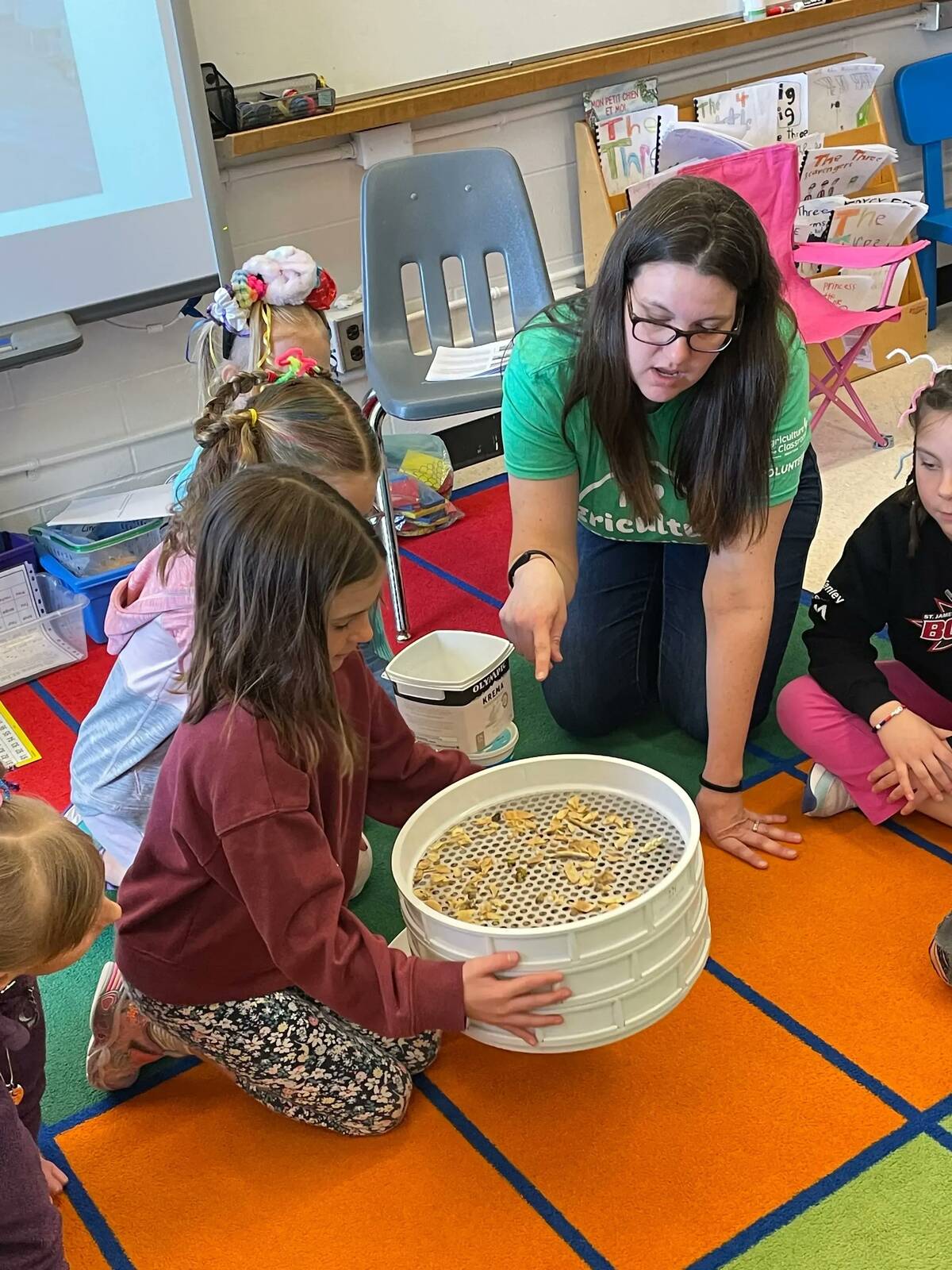
As well as CALM, the organization plans several events for older grades and makes free resources available to teachers to tackle food systems in their classrooms. The provincial branch is the driving force behind initiatives like AgVenture at Manitoba Ag Days, which gives Grades 7-12 a taste of Canada’s largest indoor farm show, and the Amazing Agriculture Adventure, a one-day field trip to the Bruce D. Campbell Farm and Food Discovery Centre at Glenlea.
Other programs have students growing their own plants in their classrooms, among other initiatives.
These resources help build agricultural literacy in Manitoba, benefiting those who want to work in the agriculture industry as well as in general as future consumers and voters, the program argues. Peitsch said the program helps build critical thinking about the agriculture industry.
Connecting livestock to everyday products
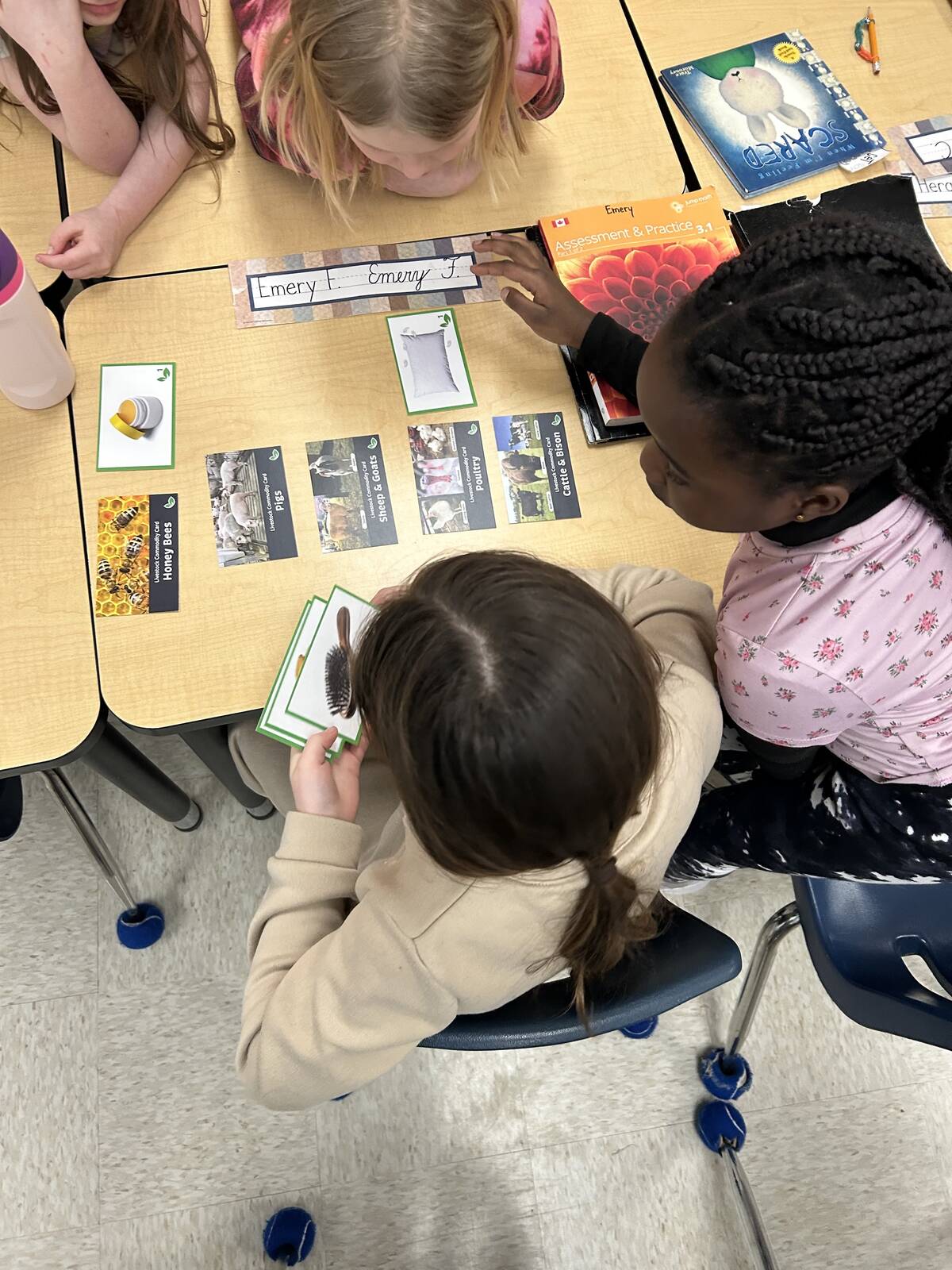
For CALM this year, volunteers will be playing a game called the Commodity Match-up, Livestock Edition.
“We’re looking at commodities that come from livestock in Manitoba. How does the agriculture industry look to use entire animals so there’s no waste? Beyond the incredible food that livestock animals provide us, what other products do we get from those animals that we use in our everyday life?” said Peitsch.
Students play a matching game, where they have different commodity groups like pigs, cattle, bison and poultry. They must match those animals with everyday items, which shows them where some animal by-products end up.
Beyond the farm gate
Peitsch said it is equally important to run the program in rural and urban schools.
“In urban schools, not all the time, but more often, you see students that are more removed from farming and food production. Programs like CALM, that connect volunteers directly to their classrooms, help those students understand where their food comes from, beyond just getting in the grocery store. It helps foster an appreciation for the care that farmers give to their animals, the soil and the crops,” she said.
Agriculture in the Classroom may provide the first interaction an urban student might have with a farmer or other agriculture professional.
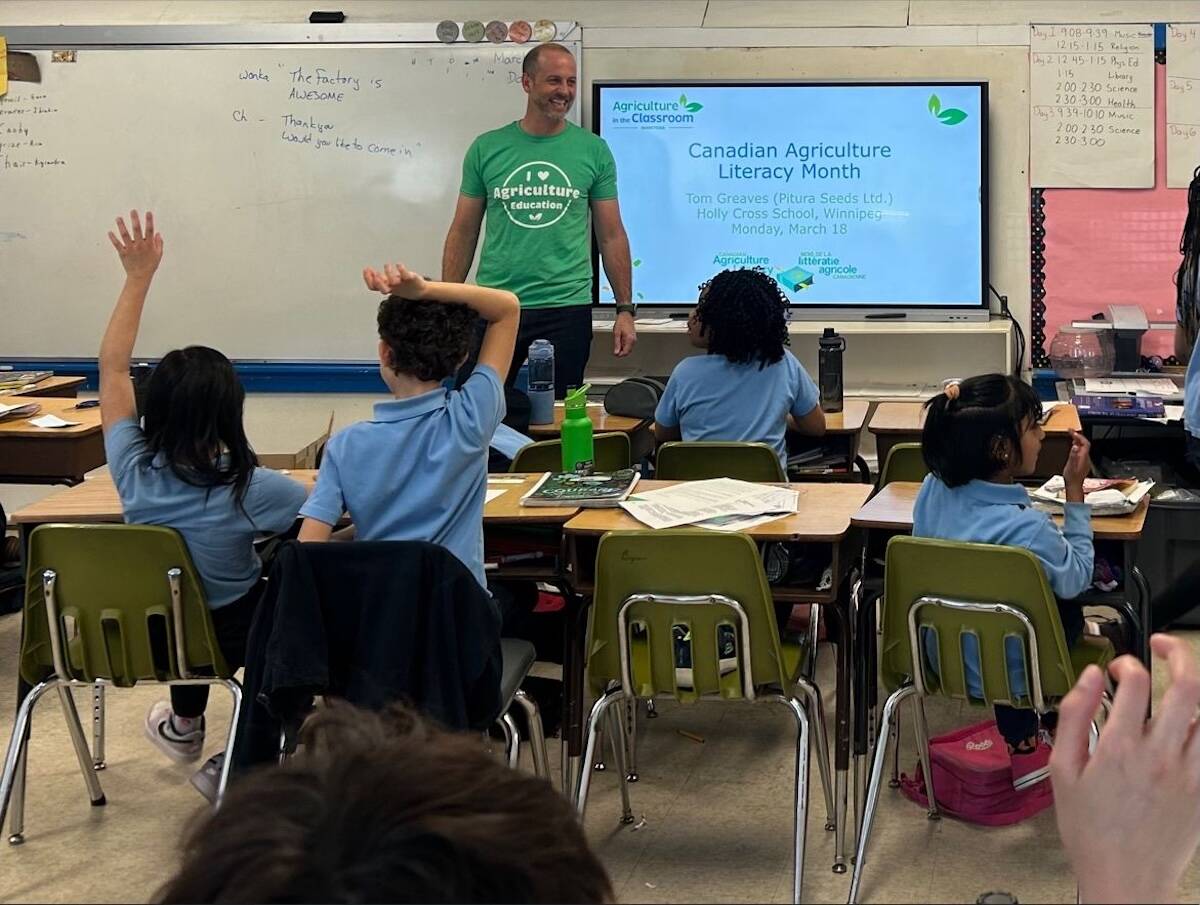
In rural classrooms, many students come from a farming background or have parents that work in the agricultural industry. But there are still many students who don’t understand the breadth of the industry.
These CALM classroom visits open the door for students to feel proud of and appreciate the role agriculture plays in their community, Peitsch said.
Canadian Agriculture Literacy Month runs throughout March. Teachers and volunteers can find more information here.