
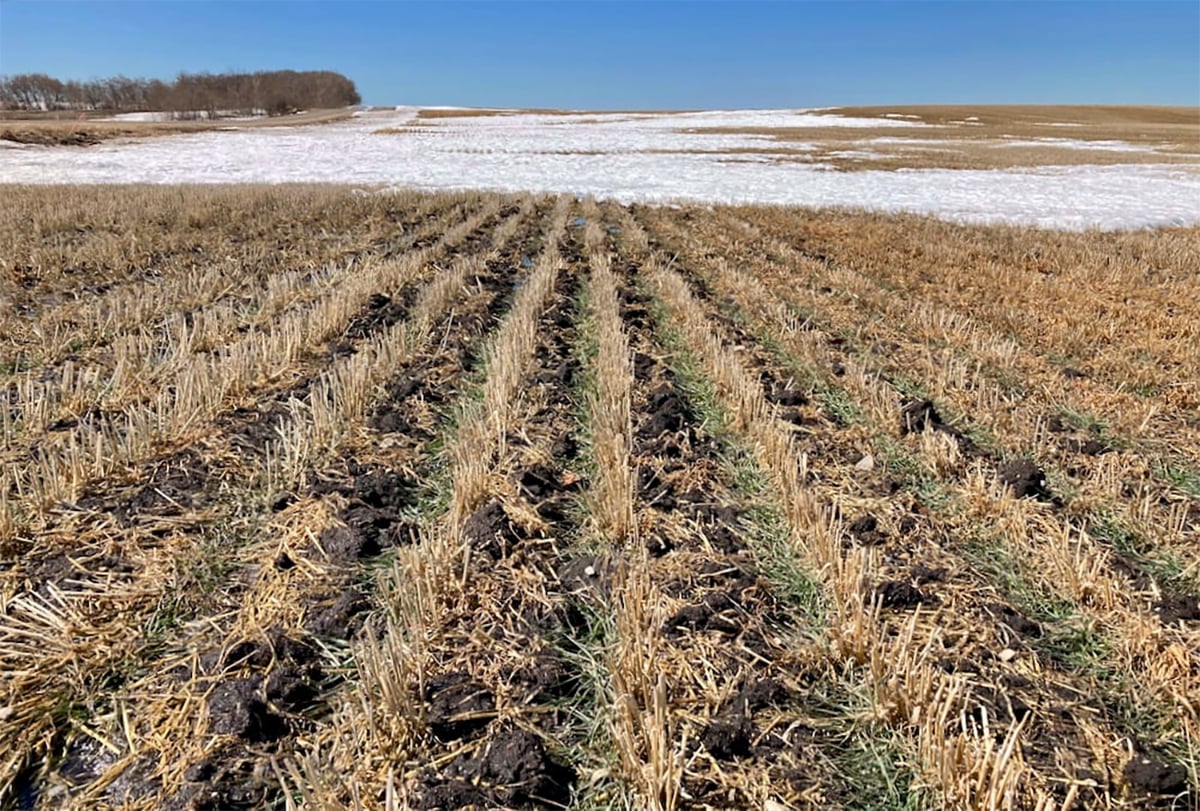
The recent cold snap in North America has raised the possibility of winterkill damage in the U.S. Hard Red Winter and Soft Red Winter growing regions.
Overnight low temperatures in Kansas, Oklahoma and Kansas dropped to the -15 to -20 C range for three consecutive days.
Although these temperatures are significantly below normal, they were not sufficient to cause extensive winterkill.
Read Also

Canola, soyoil markets swing hand-in-hand with crude
Mideast conflict is driving crude oil swings now spilling into canola and soyoil markets, while rising fuel and fertilizer costs eat up farmer gains.
Prior to the arrival of the cold temperatures, snow covered most of the three states with amounts ranging from five to 15 centimetres. The snow cover certainly would have protected the wheat crop from the coldest temperatures.
Temperatures in the SRW growing areas were not as severe as in the southern Plains, with overnight lows mostly in the -10 to -15 C range.
The complicating factor for SRW wheat in the region from central Illinois to Arkansas is that freezing rain fell across the area, which has two impacts on the winter wheat crop:
- Firstly, the ice facilitates the transmission of the cold temperatures to the wheat plants more efficiently than snow.
- Secondly, the freeze-thaw action of the ice on the plant can cause mechanical damage to the wheat. This type of winterkill damage is usually not extensive over wide areas of a growing region.
It doesn’t appear that these conditions have been enough to cause significant damage to the crop.
Temperatures in the western winter wheat growing areas of Russia were also cold this past week, but temperatures in the Volga Valley and Caucasus region only dropped to the -5 to -15 C range for only two days. This was not enough to put the crop in any winterkill danger.
Wheat markets have struggled to gain any momentum since the end of October.
There was some hope that these winterkill threats may at least cause a rally in the futures markets. The bad news is that the rally was short lived and the nearby contracts have moved lower after the temperatures began to warm up.
The forecast calls for continued cold weather in the SRW growing areas, but there is no threatening temperatures in the forecast.
Fundamentals continue to drive the wheat market as record global production pushes prices lower.
The bad sign is that even a threat to the winter wheat crop in two of the largest exporters was not enough to push markets higher.
It appears that traders are going to remain on the short side of the wheat market until threats to crop production turn to actual crop losses.
That means wheat markets are likely to trade sideways until the crops emerge from dormancy in March.